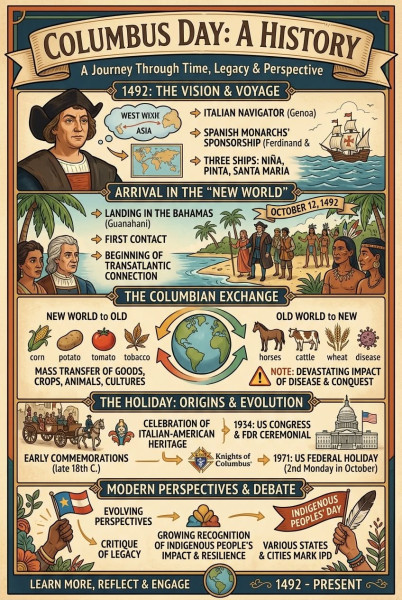
October 12, known for its rich cultural and historical significance, is celebrated in several countries around the world. This year, the world is gearing up for various celebrations, including Columbus Day, Indigenous Peoples' Day, and Día de la Raza. The holiday holds different meanings for different communities, reflecting the diverse heritage and history of the societies that observe it.
The most widely celebrated event on October 12 is Columbus Day, which commemorates the arrival of Christopher Columbus in the Americas in 1492. Traditionally, Columbus Day has been a federal holiday in the United States, celebrated with parades, events, and community gatherings.
In recent times, there has been a growing movement to replace Columbus Day with Indigenous Peoples' Day, which honors the Indigenous populations of the Americas. This shift reflects a broader recognition of the complex history of European colonization and its impact on native communities.
Día de la Raza, celebrated primarily in Latin America and Spain, marks the first contact between the Americas and Europe, emphasizing the cultural exchange and fusion that resulted from this encounter. This holiday is celebrated with a variety of cultural events, including music, dance, and culinary traditions.
In Spain, October 12 is also known as Día de la Hispanidad, a national holiday that celebrates the unity and diversity of the Spanish-speaking world. This day is marked by official ceremonies, parades, and special events that highlight Spanish heritage and culture.
In the United States, the recognition of Indigenous Peoples' Day has been gaining traction in various states and cities, reflecting a broader shift in how the country acknowledges its history. While Columbus Day has faced criticism for glorifying colonialism, Indigenous Peoples' Day seeks to honor and celebrate the indigenous populations who have lived in the Americas for thousands of years.
With the rise of Indigenous Peoples' Day, many communities are finding new ways to celebrate their heritage and history. This growing movement reflects a deeper understanding of the multifaceted history of the Americas, acknowledging both the achievements and the challenges faced by Indigenous communities.
In addition to these celebrations, there are also local and regional events that mark October 12 with unique traditions and customs. These celebrations often reflect the specific cultural heritage and history of the communities that observe them, adding to the diverse tapestry of October 12 traditions.
In recent times, there has been a significant shift in how Columbus Day is celebrated in the United States. The holiday, which has traditionally commemorated the arrival of Christopher Columbus in the Americas in 1492, has faced increasing scrutiny and criticism.
This shift is part of a broader movement to recognize and honor the Indigenous communities of the Americas. Many cities and states across the U.S. have replaced Columbus Day with Indigenous Peoples' Day, which focuses on celebrating the rich cultures, histories, and contributions of Native American populations.
The transition from Columbus Day to Indigenous Peoples' Day has sparked intense debate and discussion. Proponents of the change argue that it is a necessary step toward acknowledging the true history of the Americas and the impact of European colonization on Indigenous communities.
Critics, however, argue that Columbus Day is an important symbol of European exploration and discovery, and that replacing it with Indigenous Peoples' Day diminishes this historical significance. The debate highlights the complex and often contentious nature of American history and its commemoration.
In recent years, the movement to recognize Indigenous Peoples' Day has gained momentum, with more states and cities adopting the holiday. This trend reflects a growing awareness and appreciation of Indigenous cultures and histories, as well as a desire to address the legacy of colonialism.
The shift from Columbus Day to Indigenous Peoples' Day is part of a broader effort to promote cultural awareness and inclusivity. By recognizing and honoring Indigenous communities, societies can better understand and appreciate the diverse heritage and history of the Americas.
Día de la Raza, celebrated on October 12, is a significant holiday in Latin America and Spain, marking the first encounter between the Americas and Europe. This day is dedicated to commemorating the cultural exchange and fusion that resulted from this encounter.
The holiday is celebrated with a variety of events and activities that highlight the rich cultural heritage of Latin America and Spain. Festivals, parades, and special ceremonies are common, as well as the celebration of traditional music, dance, and culinary traditions.
In Latin America, Día de la Raza is an important cultural celebration that emphasizes the diverse and vibrant heritage of the region. It is a time to reflect on the historical events that shaped Latin American society and to celebrate the achievements and contributions of its people.
In Spain, Día de la Raza, also known as Día de la Hispanidad, is celebrated with official ceremonies, parades, and special events that highlight Spanish heritage and culture. This day is a national holiday, marked by official celebrations and community events that bring people together.
One of the most notable aspects of Día de la Raza is its emphasis on unity and diversity. The holiday celebrates the blending of cultures that has occurred over centuries, and it highlights the unique contributions of different groups to the cultural heritage of Latin America and Spain.
In addition to its cultural significance, Día de la Raza also has a political dimension. It is a time to reflect on the challenges and opportunities faced by Latin American societies, and to promote unity and cooperation within the region.
In recent times, Día de la Raza has also become a platform for discussions on social and political issues, including Indigenous rights and the preservation of cultural heritage. The holiday provides an opportunity to address these important topics and to promote a more inclusive and equitable society.
Indigenous Peoples' Day, celebrated on the second Monday of October, is a holiday that honors the Indigenous populations of the Americas. The holiday has gained increased recognition in recent times, as more communities seek to acknowledge the rich cultural heritage and contributions of Native American communities.
This year, Indigenous Peoples' Day will be celebrated across the United States with various events and activities that highlight the cultural heritage and achievements of Native American populations. Communities will come together to celebrate through traditional music, dance, and culinary traditions, as well as educational programs and cultural performances.
Indigenous Peoples' Day is a significant cultural and historical event, and it has been gaining traction in recent times. This holiday reflects a broader movement to recognize and celebrate the diverse cultures and histories of Indigenous communities in the Americas.
The holiday is an opportunity for communities to come together and celebrate the rich cultural heritage and contributions of Native American populations. It is a time to reflect on the complex history of the Americas and to honor the resilience and strength of Indigenous communities.
In addition to its cultural significance, Indigenous Peoples' Day also has a political dimension. It is a time to reflect on the challenges and opportunities faced by Indigenous communities, and to promote greater awareness and understanding of Indigenous rights and issues.
With the rise of Indigenous Peoples' Day, many communities are finding new ways to celebrate their heritage and history. This growing movement reflects a deeper understanding of the multifaceted history of the Americas, acknowledging both the achievements and the challenges faced by Indigenous communities.
Amidst the ongoing debate, many communities are finding creative ways to celebrate both Columbus Day and Indigenous Peoples' Day, choosing to honor the history and achievements of both Indigenous and European cultures. The dual recognition reflects a broader effort to promote inclusive and culturally rich celebrations.
The dual celebrations emphasize the blending of cultures and the rich heritage that has resulted from their interaction. Festivals, parades, and special ceremonies are often held to commemorate the historical significance of these days.
In many cities, the festivities include traditional music, dance performances, and cultural exhibits that showcase the diverse heritage of the region. These events provide an opportunity for communities to come together and celebrate the unique contributions of both Indigenous and European cultures.
These celebrations also serve as a platform for discussions on social and political issues, including Indigenous rights and the preservation of cultural heritage. The events provide an opportunity to address these important topics and to promote a more inclusive and equitable society.
Día de la Hispanidad, celebrated on October 12, is a national holiday in Spain that marks the discovery of the Americas by Christopher Columbus in 1492. The day is celebrated with official ceremonies, parades, and special events that highlight Spanish heritage and culture.
Día de la Hispanidad emphasizes the unity and diversity of the Spanish-speaking world. The holiday is marked by cultural events, including music, dance, and culinary traditions, which celebrate the rich heritage of Spain and its former colonies.
The holiday is also a time to reflect on the historical significance of the encounter between the Americas and Europe, and to celebrate the cultural exchange and fusion that resulted from this encounter.
In Spain, Día de la Hispanidad is celebrated with official ceremonies, parades, and special events that highlight Spanish heritage and culture. This day is a national holiday, marked by official celebrations and community events that bring people together.
One of the most notable aspects of Día de la Hispanidad is its emphasis on the unity of the Spanish-speaking world. The holiday celebrates the shared heritage and culture of Spanish-speaking countries, and it highlights the unique contributions of different groups to the cultural heritage of the region.
The holiday also provides an opportunity to address important social and political issues, including Indigenous rights and the preservation of cultural heritage. This emphasis on unity and diversity is a key aspect of Día de la Hispanidad and a reminder of the interconnectedness of Spanish-speaking communities.
In recent times, Día de la Hispanidad has also become a platform for discussions on social and political issues, including Indigenous rights and the preservation of cultural heritage.
Picture this: It's the day after October 12th, and the air is thick with the scent of celebration. But what exactly are we celebrating? Here's the thing: October 12th is a day that has historically been marked by commemorations that are as rich as they are complex. It's a day that holds different meanings for different communities, reflecting the diverse heritage and history of the societies that observe it.
The Historical Significance of Columbus Day
For many, October 12th has long been a day to celebrate Columbus Day, the holiday that honors Christopher Columbus's arrival in the Americas in 1492. Parades, events, and community gatherings have traditionally been the norm for this day. However, in recent times, there has been a growing movement to replace Columbus Day with Indigenous Peoples' Day, a shift that reflects a broader recognition of the intricate history of European colonization and its impact on native communities.
A Growing Movement: Indigenous Peoples' Day
The change from Columbus Day to Indigenous Peoples' Day has sparked intense debate and discussion. Proponents of the shift argue that it is a necessary step toward acknowledging the true history of the Americas and the impact of European colonization on Indigenous communities. Indigenous Peoples' Day, celebrated in recent times, especially on the second Monday of October in many places, focuses on celebrating the rich cultures, histories, and contributions of Native American populations. It has gained increased recognition, as more communities seek to acknowledge the rich cultural heritage and contributions of Native American communities.
“This holiday is a significant cultural and historical event, and it has been gaining traction in recent times. This holiday reflects a broader movement to recognize and celebrate the diverse cultures and histories of Indigenous communities in the Americas.”
Critics, however, argue that Columbus Day is an important symbol of European exploration and discovery, and that replacing it with Indigenous Peoples' Day diminishes this historical significance. The debate highlights the complex and often contentious nature of American history and its commemoration.
A Day of Cultural Exchange and Unity: Día de la Raza
Away from the controversy, October 12 is also celebrated as Día de la Raza in Latin America and Spain, emphasizing the cultural exchange and fusion that resulted from the first encounter between the Americas and Europe. This holiday, celebrated with a variety of events and activities, highlights the rich cultural heritage of Latin America and Spain, with festivals, parades, and special ceremonies showcasing traditional music, dance, and culinary traditions. In Spain, the holiday is known as Día de la Hispanidad, a national holiday that celebrates the unity and diversity of the Spanish-speaking world. The day is marked by official ceremonies, parades, and special events that highlight Spanish heritage and culture.
But here's where it gets interesting: the dual celebration of October 12th as both Columbus Day and Indigenous Peoples' Day in some communities reflects a broader effort to promote inclusive and culturally rich celebrations. The festivities include traditional music, dance performances, and cultural exhibits that showcase the diverse heritage of the region. These events provide an opportunity for communities to come together and celebrate the unique contributions of both Indigenous and European cultures.
Look, this year, October 12th is more than just a date on the calendar; it's a day that invites us to reflect on the complex tapestry of our shared history. Indigenous Peoples' Day and Día de la Raza both honor the rich heritage and contributions of Indigenous communities.