Apple Faces Backlash as $250 Million Settlement Highlights Siri AI Controversy
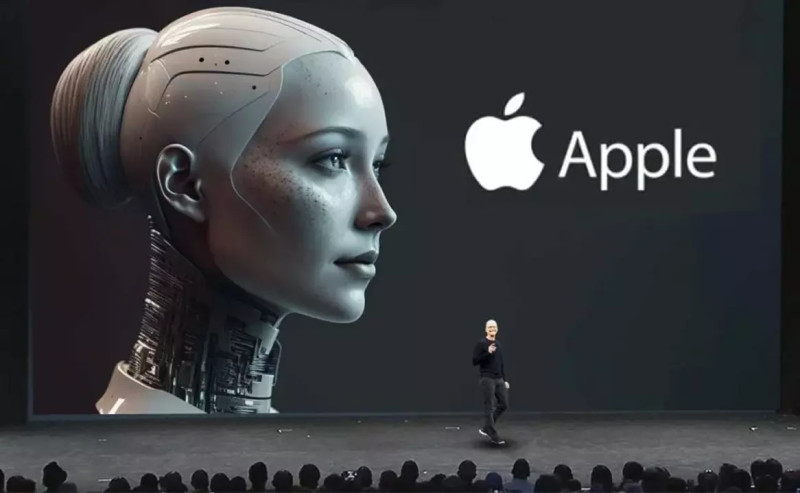
Apple's recent $250 million settlement over allegations that it misled consumers about the capabilities of its artificial intelligence system, Apple Intelligence, has once again spotlighted the company's struggles with delivering on its AI promises. The settlement underscores the tech giant's failure to deliver on the AI features it advertised for its iPhone 16 and 15 Pro models, leaving millions of users disappointed and frustrated.
The Allegations: False Promises and Misleading Advertising
The class-action lawsuit, which led to the settlement, accused Apple of false advertising and unfair competition. The core of the dispute revolved around Apple's claims that its Siri voice assistant was equipped with advanced AI features, which, according to the plaintiffs, were not delivered as promised. The lawsuit alleged that Apple knowingly misled consumers by promoting AI capabilities that were not yet ready, or in some cases, not even in development.
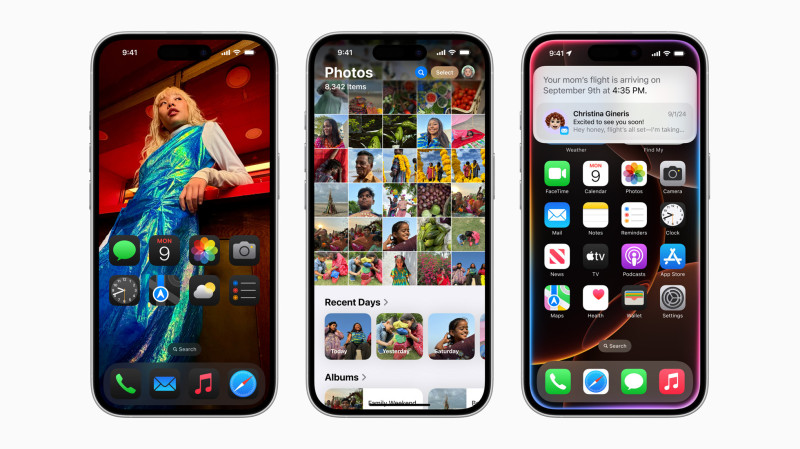
The data is damning. Apple's advertising campaigns for the iPhone 16 and 15 Pro models heavily emphasized the integration of AI features, suggesting that users would experience a revolution in how they interact with their devices. However, the reality was far from the promised utopia. Users found that the AI features they had been led to expect were either non-existent or significantly underwhelming. These discrepancies led to widespread dissatisfaction, and ultimately, the class-action lawsuit that resulted in the $250 million settlement.
The Settlement: What It Means for iPhone Users
The settlement will provide some financial relief to iPhone users who feel they were deceived by Apple's marketing claims. Those who purchased the iPhone 16 or 15 Pro models may receive up to $95 as part of the settlement. This figure, while not negligible, falls short of compensating fully for the disappointment and frustration experienced by users. However, it’s a step in the right direction, acknowledging the company’s failure to deliver on its advertised AI capabilities.
Let's not kid ourselves, though. For many users, the settlement is a mere bandaid on a deep wound. The true value of the AI features promised by Apple far outweighs the $95 compensation. The settlement serves as a reminder of the immense trust users place in tech giants, and the potential consequences when that trust is broken. For those who remain optimistic, this settlement could be a catalyst for better transparency and accountability in future product launches.
A Counter-Argument: Was the Settlement Enough?
While the settlement does offer some form of redress, critics argue that it doesn’t adequately address the broader issues at play. Skeptics point out that a $250 million payout, while significant, is a mere drop in the bucket for a company as wealthy as Apple. They contend that the real impact of the settlement lies in the precedent it sets for future litigation involving false advertising and AI misrepresentation.
This counterpoint is an important reminder that the financial settlement is just one facet of the broader controversy. The long-term legacy of this case will be determined by how Apple responds to the allegations and whether it makes meaningful changes to its advertising and product development practices. This lawsuit has given voice to the growing concern about the reliability of AI claims in tech advertising, and it’s a call for greater transparency and accountability in the industry.
Here's what nobody's asking: What if Apple had invested more in developing these AI features before advertising them? The financial loss would have been incurred, but the trust of consumers, which is much harder to rebuild, might have remained intact.
The implications of the Apple Siri AI lawsuit settlement extend far beyond the monetary compensation. This case serves as a wake-up call for the tech industry, highlighting the need for better alignment between marketing claims and actual product capabilities. It underscores the importance of transparency and accountability, especially in a field as dynamic and ever-evolving as AI. Moving forward, it remains to be seen how Apple and other tech companies will adapt their strategies to avoid similar controversies in the future.
How does this story make you feel?
 Up next · TechNVDA Stock: The Meteoric Rise Continues!