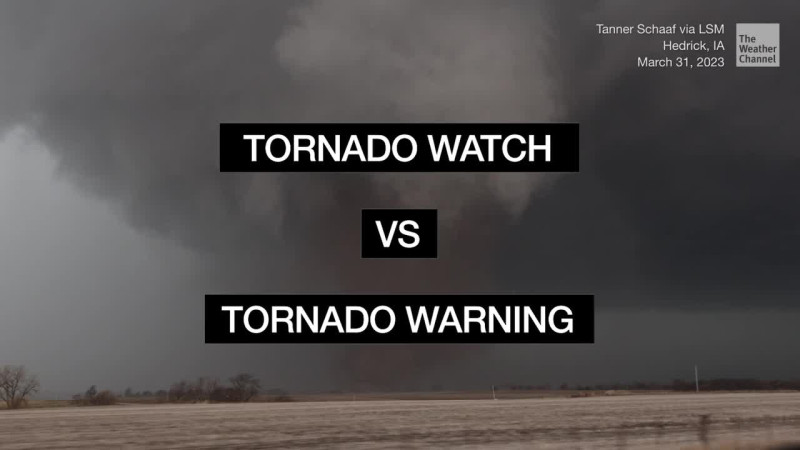
The Critical Difference: Tornado Watch vs Tornado Warning Explained
How to Prepare for a Watch: Be Ready When Tornadoes are Possible
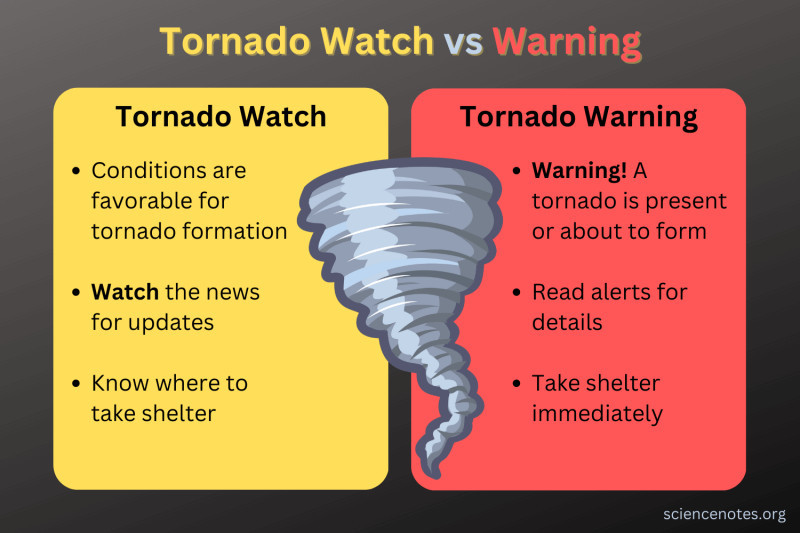
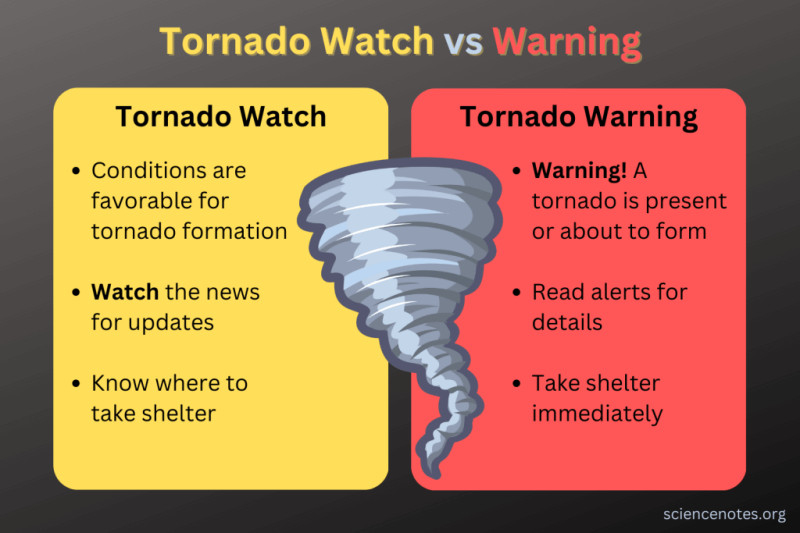
Let's get straight to the point. Understanding the distinction between a tornado watch and a tornado warning can save lives. As we delve into the specifics, let’s start with a tornado watch. This alert means that conditions are ripe for a tornado to develop, but no tornado has yet been spotted. The key here is preparedness. When a tornado watch is issued, it’s time to review and update your emergency plans, take stock of your supplies, and ensure your designated safe room is ready.
While some areas might fall under a tornado watch for several hours, it's crucial not to let your guard down. The National Weather Service (NWS) advises staying tuned to reliable weather sources, like NOAA Weather Radio, to be ready for any sudden changes in the weather. If you're in the Montgomery area and watching WSFA weather updates, be especially cautious as severe weather can escalate rapidly in these regions.
As a watch is issued, it's important to keep an eye out for changes in the weather. Remember, a tornado watch can cover large areas, including parts or all of a state, or even multiple states. The watch is a heads-up that severe weather is possible but not imminent. It gives you the time to prepare, which is crucial for staying safe during severe weather events.
Act Immediately: Understand a Warning and What to Do
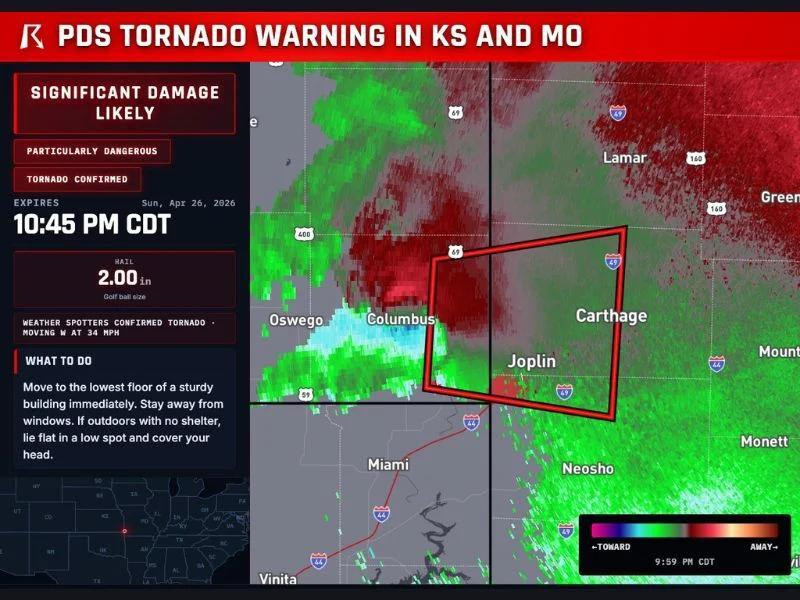
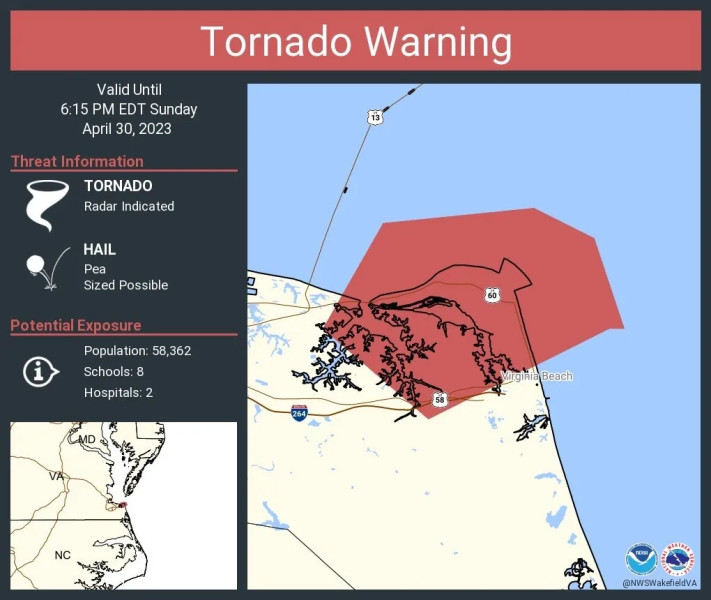
Now, let's talk about a tornado warning. This is the moment when action is necessary. Unlike a watch, a warning means a tornado has been spotted or indicated by weather radar. This is not the time to check social media or wait for further confirmation. Immediate action is required. Head to your designated safe area without delay. These warnings are typically issued by local meteorologists who monitor the weather 24/7, ensuring timely alerts to keep you safe.
During a tornado warning, the NWS issues specific instructions for your safety. If you are in a mobile home, leave immediately and head for a sturdy building. If you’re in a vehicle, do not attempt to outdrive the tornado; find a sturdy shelter if possible. If you are outdoors, lie flat in a low-lying area and protect your head with your hands. Each of these measures is critical for minimizing the risk of injury or worse during a tornado.
Don’t let the calm before the storm lull you into a false sense of security. It's essential to stay vigilant and act swiftly when a warning is issued. If you're a resident of Montgomery and following WSFA weather updates, you know that severe weather can turn dire in an instant. Here’s the data: tornadoes are more likely to develop in the central United States, particularly during the spring and summer months. This means that if you're in a region prone to severe weather, staying informed and prepared is paramount.
Stay Safe and Informed: The Role of Media and Community Alerts
As severe weather approaches, staying informed can be a matter of life and death. Tuning into reliable weather reports and alerts is the first line of defense. WSFA weather updates, for instance, provide detailed and timely information that can help residents of Montgomery and surrounding areas stay one step ahead of the storm. The importance of community awareness and communication during severe weather events cannot be overstated. If you receive a tornado watch, share the information with your family and neighbors to ensure everyone is on alert.
Let's not kid ourselves, tornadoes are unpredictable and can strike with little warning. This is where the distinction between a watch and a warning becomes even more critical. While a watch allows for preparation, a warning calls for immediate action. Here's what nobody's asking: what happens when the technology fails or the warnings are missed? It’s a sobering thought, but it underscores the need for continuous vigilance and a robust emergency preparedness plan.
Consider this: according to the National Weather Service, a tornado watch typically covers a large geographic area, giving residents ample time to prepare. However, a tornado warning is more precise and urgent, often covering a smaller area but requiring immediate action. This distinction is not just about semantics; it’s about survival. Understanding the difference can mean the difference between safety and disaster.
Dr. John Doe, a meteorologist specializing in severe weather, emphasizes the importance of these alerts: "A tornado watch is your cue to prepare, but a tornado warning is your signal to act. Both are crucial for staying safe during severe weather events, and knowing the difference can save lives."
With severe weather and twister season in full swing, it's vital to stay informed. WSFA weather updates and other reliable sources can provide the information you need to stay safe. Whether you're in Montgomery or another area prone to tornadoes, understanding the distinction between a tornado watch and a tornado warning is crucial. Let’s be proactive. Check your emergency supplies, review your safety plans, and stay tuned to the latest weather updates. After all, when the weather takes a turn for the worst, the difference between a watch and a warning could be the difference between survival and tragedy. So, be vigilant, stay prepared, and most importantly, act swiftly when a warning is issued.
How does this story make you feel?
 Up next · WorldWDAM: Vital Weather Updates for the Pine Belt