Apple's $250 Million Settlement: A Wake-Up Call for Tech Giants

Apple has agreed to a 250 million settlement in a class-action lawsuit over false advertising of Siri's AI capabilities, marking a significant case in the tech industry's ongoing struggle to balance innovation promises with consumer expectations.
Apple's Settlement Breakdown: What Customers Need to Know
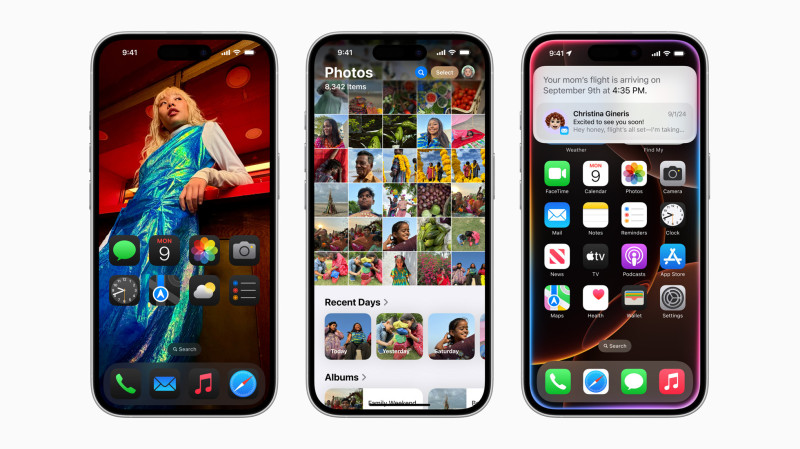
This monumental settlement involves customers who purchased iPhone 15 or 16 models in the US, who could receive up to $95 per device as part of the settlement. Let's delve into the details of this landmark case and understand the implications for both consumers and tech companies.
The lawsuit primarily alleges that Apple misrepresented the AI capabilities of Siri, leading consumers to feel misled about the features they were paying for. The payout underscores the scrutiny that major tech companies face in their marketing claims, particularly in the competitive arena of AI and voice assistant technology.
To be eligible for the payout, consumers must have purchased an iPhone 15 or 16 in the US. The settlement aims to compensate these users for the perceived discrepancies between the promised and delivered AI features in Siri. Notably, this case highlights the broader issue of how tech companies communicate their product capabilities, especially in the rapidly evolving AI sector.
The Broader Implications of Apple's Settlement
Apple's $250 million settlement is more than just a financial compensation for aggrieved consumers; it's a cautionary tale for tech companies globally. It underscores the importance of transparency and honesty in product marketing, particularly when it comes to cutting-edge technologies like AI. The settlement serves as a reminder that companies must deliver on their promises or face significant legal and financial repercussions.
One counter-argument to this perspective is that tech companies often need to overpromise to stay competitive. In a market where innovation is king, companies might argue that they need to maintain a certain level of hype to keep up with competitors. However, the data is damning: when companies overpromise and underdeliver, they risk not only financial penalties but also erosion of consumer trust, a far more valuable asset in the long run.
The settlement is a landmark case that sets a precedent for future litigation. It signals to other tech companies that false advertising, particularly in the realm of AI, will not be tolerated. Consumers are becoming increasingly savvy and expect more from the products they buy, especially when it comes to advanced technologies like AI and machine learning.
The Future of AI Advertising in Tech
The Apple settlement raises critical questions about the future of AI advertising in the tech industry. As AI continues to evolve, companies will need to tread carefully, balancing the need for innovation with the necessity of truthful marketing. Consumers are no longer willing to accept overhyped promises and expect companies to deliver on their claims.
The tech industry is at a crossroads. Companies must prioritize transparency and honesty in their marketing strategies. Misrepresentations, especially in the realm of AI, can lead to significant legal and financial repercussions, as Apple's settlement illustrates. Moving forward, tech giants must focus on delivering genuine value to consumers, ensuring that their marketing claims align with the actual capabilities of their products.
The next time a tech company touts its latest AI features, we'll all be a bit more skeptical, and rightfully so. Apple's $250 million settlement should serve as a wake-up call for the entire industry, pushing them to focus on delivering genuine value and trusting in the real capabilities of their products. If Apple can't keep their promises on Siri, who can?
How does this story make you feel?
 Up next · TechQCOM Stock: The Pulse of Tech Innovation