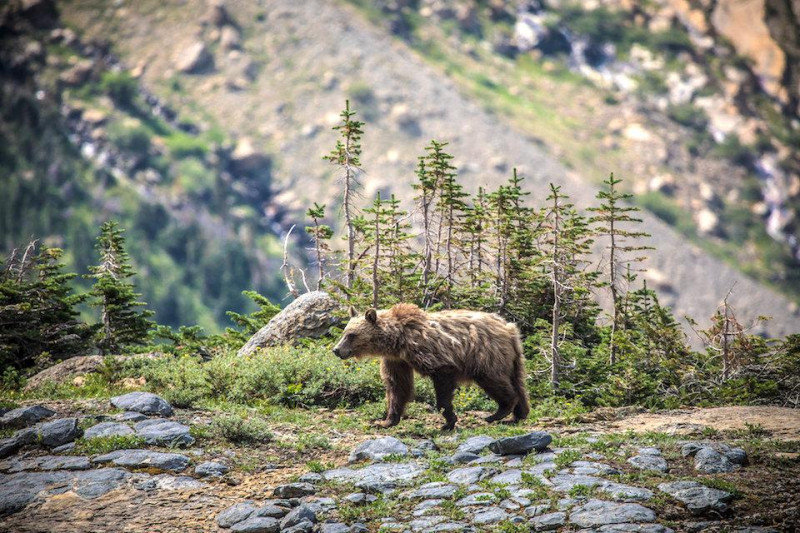
Imagine the silence shattered, a tranquil hike morphing into a sudden, brutal fight for survival. Glacier bears have reentered the public imagination as Glacier National Park grapples with the tragic death of a missing hiker, the first fatality from a glacier bear attack since 1998. The incident, while rare, has once again spotlighted the delicate balance between human exploration and the untamed wilderness of Montana.
Glacier National Park: A Haven for Grizzly Bears and Hikers
The majestic landscapes of Glacier National Park, which spans over a million acres of rugged mountains, pristine forests, and alpine meadows, is also home to a diverse array of wildlife, including grizzly bears and black bears. The park’s rich biodiversity attracts millions of visitors annually, offering them a chance to experience the untouched beauty of nature. However, this also means navigating the inherent risks of sharing a space with powerful, wild animals. The glacier bear attack, the first in decades, has left park officials and visitors contemplating the delicate nature of this coexistence.
Glacier National Park's management has always emphasized the importance of safety protocols for hikers. The likelihood of being attacked by a bear is under 1%, yet the recent incident underscores the necessity of vigilance. The park provides detailed guidelines for visitors, including carrying bear spray, making noise while hiking, and storing food properly, to minimize the chances of an encounter turning deadly.
Deciphering the Glacier Bear Attack
The mystery surrounding the glacier bear attack deepens as investigators piece together the events leading to the hiker’s death. The grizzly bear, known for its size and strength, is believed to have acted defensively, perhaps surprising the hiker and leading to the tragic outcome. The last recorded fatal bear attack in the park was in 1998, highlighting the rarity of such incidents despite the presence of several hundred grizzlies in the region.
“This incident is a stark reminder that while the likelihood of an attack is low, the consequences can be devastating,” said a park spokesperson. “Visitors must remain vigilant and follow all safety guidelines to protect themselves and the wildlife.”
The Lasting Impact on Glacier National Park and Its Visitors
The fate of the hiker, who was found by search-and-rescue crews, has left a lasting impact on the park’s community. The incident has sparked renewed discussions about bear safety and the measures that can be taken to prevent such tragedies. Park rangers and wildlife experts are using this opportunity to educate the public about the signs of a bear encounter and the appropriate actions to take, such as standing still, making oneself look bigger, and using bear spray if necessary.
The attack has also brought to light the broader ecological significance of the glacier bear and the delicate balance it maintains in the park’s ecosystem. Grizzly bears play a crucial role in the ecosystem, helping to disperse seeds and control populations of smaller animals. Their presence is a testament to the park’s commitment to conservation efforts.
While the glacier bear attack is a poignant reminder of the wild nature of the park, it also serves as a call to action for continued education and safety measures. As visitors continue to explore the beauty of Glacier National Park, they must be prepared for the unforeseen, ready to respect the wilderness and its inhabitants with a newfound sense of awareness and caution. What will the future hold for those who dare to venture into the abode of the glacier bear?