Context
1.
World -
Nepal -
Natural Disasters -
Disaster Response
- The United Kingdom has sent a heartfelt message to Nepal from King Charles and Queen Camilla following the tragic flooding and glacier collapse in Nepal. The Royal couple expressed their deepest sympathies and offered support to the families affected by the disaster. The statement was delivered through the British Ambassador to Nepal, highlighting the ongoing diplomatic and humanitarian efforts between the two nations.
2.
Asia -
Nepal -
Rising Death Toll
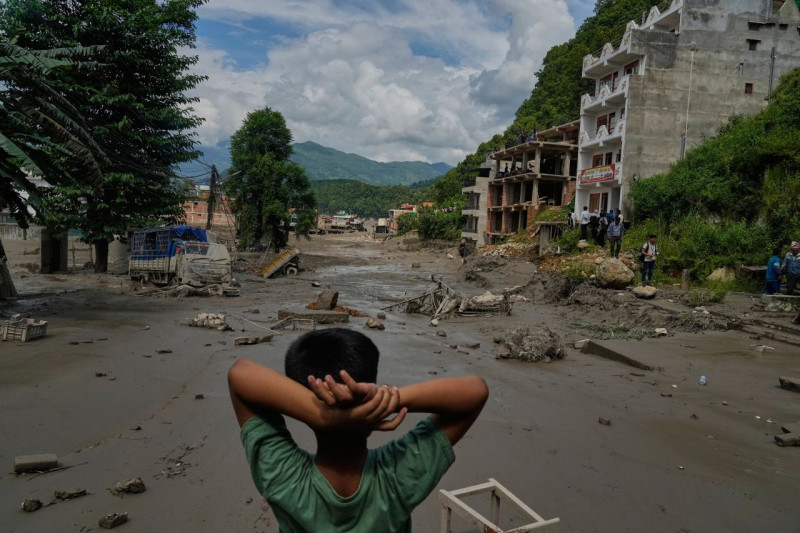
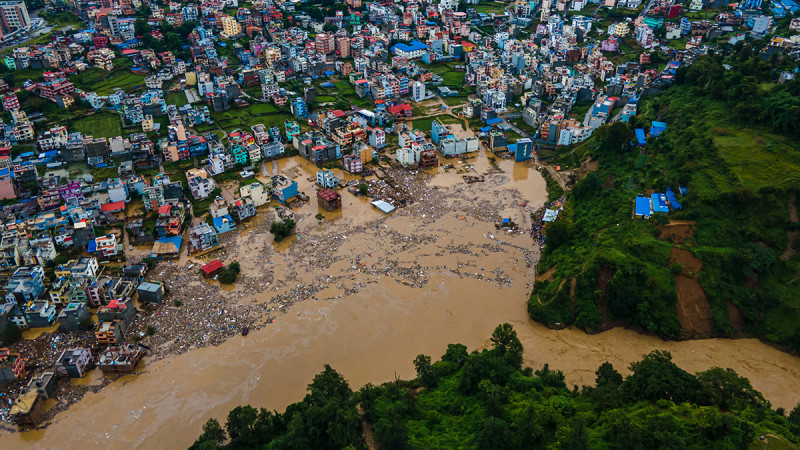
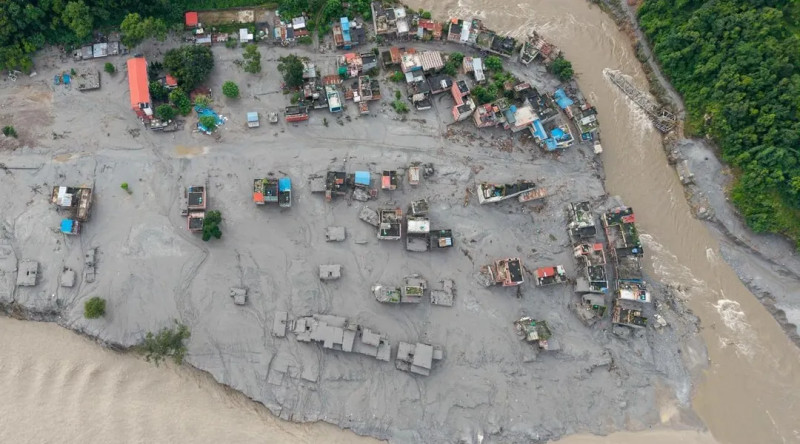
- More than 1,000 people have now died in the massive Nepal floods, according to the latest official reports. The death toll continues to rise as search and rescue operations face significant challenges due to the remote locations and severe damage. Flash floods have been particularly devastating, sweeping away entire villages and leaving thousands displaced.
3.
Asia -
Nepal -
Geology and Hydrology
- The disaster in Nepal was caused by a combination of extreme rainfall and a sudden glacier collapse. This event triggered flash floods that devastated central regions of the country. The glacier collapse, which occurred in the high Himalayas, released a massive amount of water and debris, exacerbating the already severe flooding conditions. The rapid melting of glaciers due to climate change has been identified as a significant contributing factor to these disasters.
4.
World -
Natural Disasters -
Disaster Response
- The international community has mobilized to provide aid and support to Nepal in the wake of the devastating floods. Rescue teams from various countries, including the United Kingdom, are on the ground assisting in search and rescue efforts. The United Nations has also deployed resources to help with the relief and recovery operations.
5.
Natural Disasters -
Geology and Hydrology
- Flash floods and glacier collapses in Nepal and China illustrate a growing trend of natural disasters linked to climate change. Scientists warn that as temperatures rise, glaciers are melting faster, leading to increased risk of catastrophic events. The recent disasters in these regions underscore the urgent need for global action to mitigate the impacts of climate change.
6.
Asia -
Geopolitics -
China -
Natural Disasters
- The Nepal floods have highlighted the shared vulnerability of neighboring countries to natural disasters. China, which borders Nepal, has also experienced severe flooding in recent times. The border between Nepal and Tibet, a region of China, is particularly sensitive, with both countries working closely to manage the crisis and prevent further loss of life. The collaborative efforts between Nepal and China highlight the importance of transnational cooperation in disaster management.
7.
World -
Natural Disasters -
Environmental Impact
- The recent floods in Nepal have raised concerns about the environmental impact of such disasters. The widespread destruction has led to significant ecological damage, including the destruction of forests and wildlife habitats. Experts warn that the long-term effects of these events could be devastating, with potential impacts on biodiversity and ecosystems.
8.
Geopolitics -
China -
Natural Disasters
- The recent floods in Nepal and China have sparked discussions on disaster preparedness and response strategies. Governments and international organizations are emphasizing the need for better infrastructure and early warning systems to mitigate the impact of future disasters. The lessons learned from these events are expected to inform future policies and practices in disaster management.
9.
Maps and Geography
- Nepal, a landlocked country in South Asia, is bordered by China to the north and India to the south, east, and west. The country's rugged terrain, dominated by the Himalayan mountain range, makes it particularly vulnerable to natural disasters such as floods and landslides. Maps of Nepal show the widespread areas affected by recent floods and glacier collapses, highlighting the need for targeted relief efforts in these regions.
10.
World -
Natural Disasters -
Disaster Finance
- The devastating floods in Nepal have underscored the financial burden of natural disasters. The cost of relief and recovery efforts is expected to reach billions of dollars, straining the country's already fragile economy. International aid and support are crucial in helping Nepal rebuild and recover from this tragedy.
11.
Asia -
Geopolitics -
China -
Natural Disasters
- The recent floods in China have also highlighted the need for better disaster management strategies. The country has been investing heavily in infrastructure and early warning systems to mitigate the impact of natural disasters. The efforts in China serve as a model for other countries facing similar challenges.
12.
Natural Disasters -
Geology and Hydrology
- The recent floods in Nepal and China have drawn attention to the growing threat of glacier collapses. Scientists are studying the geology and hydrology of these events to better understand their causes and predict future occurrences. The findings from these studies are expected to inform disaster preparedness and response strategies.
The recent devastation in Nepal due to flash floods and glacier collapses has left the country reeling with a rapidly rising death toll of over 1,000 people. The disaster, sparked by extreme rainfall and a glacial collapse in the Himalayas, has highlighted the severe impact of climate change on vulnerable regions. The international community, including King Charles and Queen Camilla of the United Kingdom, has extended support and sympathy to the affected nation. This crisis underscores the urgent need for global cooperation and robust disaster management strategies.
King Charles and Queen Camilla's Statement
The United Kingdom has shown solidarity with Nepal through a heartfelt message from King Charles and Queen Camilla. The Royal couple offered their deepest sympathies and support to the families affected by the flooding and glacier collapse. This statement, delivered through the British Ambassador to Nepal, emphasizes the ongoing diplomatic and humanitarian efforts between the two nations. The international community's response reflects a broader commitment to supporting Nepal during this critical time, as the country grapples with an unprecedented death toll and extensive damage.
Central Nepal Floods and Glacier Collapse
Central Nepal has been particularly hard hit by the recent floods and glacier collapse, with more than 1,000 people confirmed dead. The disaster was triggered by a combination of extreme rainfall and the sudden collapse of a glacier in the high Himalayas. This event released a massive amount of water and debris, leading to devastating flash floods in central regions. The remote locations and severe damage have made search and rescue operations extremely challenging, with the death toll expected to continue rising. The rapid melting of glaciers due to climate change has been identified as a significant contributing factor to these disasters. Scientists warn that as temperatures rise, glaciers are melting faster, leading to an increased risk of catastrophic events.
Next Steps and International Coordination
The China border remains a focal point in the ongoing relief efforts. The shared vulnerability of neighboring countries to natural disasters highlights the need for transnational cooperation. Both Nepal and China are collaborating closely to manage the crisis and prevent further loss of life. The collaborative efforts between these nations are expected to inform future policies and practices in disaster management, emphasizing the importance of better infrastructure and early warning systems to mitigate the impact of future disasters. As the international community continues to mobilize resources, the focus remains on immediate relief efforts and long-term recovery strategies to help Nepal rebuild and recover from this tragedy.
The ongoing floods in Nepal and China illustrate a growing trend of natural disasters linked to climate change, with the impact being felt across borders. As the death toll rises. Experts warn that the long-term effects of these events could be devastating, with potential impacts on biodiversity and ecosystems. The lessons learned from these events are expected to inform future policies and practices in disaster management, emphasizing the importance of better infrastructure and early warning systems to mitigate the impact of future disasters.
The floods in Nepal and China have highlighted the urgent need for global action. International aid and support are crucial in helping Nepal rebuild and recover from this tragedy. The cost of relief and recovery efforts is expected to reach billions of dollars, straining the country's already fragile economy. The United Kingdom has shown solidarity with Nepal through a heartfelt message from King Charles and Queen Camilla. The Royal couple offered their deepest sympathies and support to the families affected by the flooding and glacier collapse. The collaborative efforts between these nations are expected to inform future policies and practices in disaster management.
 Up next · WorldKing Charles and Queen Camilla's Nepal Statement Amid Central Nepal Floods: A Devastating Glacial Collapse