Unpacking the April 2026 Jobs Report: A Tale of Two Economies

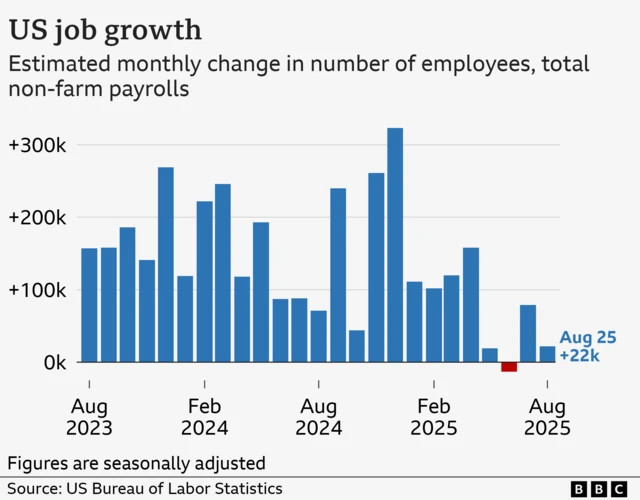
Imagine an economy as a garden, where each job created is a blooming flower. April 2026 saw the garden flourish with 115,000 new jobs, a number that surpassed expectations but marked a retreat from March's robust 185,000 additions. The unemployment rate remained steady at 4.3%, a figure that hints at both resilience and underlying tensions in the labor market.
April 2026 Jobs Report: A Positive Surprise
In a month where economic uncertainty loomed large, the 115,000 new jobs were a welcome surprise, outpacing the anticipated 55,000. This unexpected growth signals that the job market, despite global challenges, continues to show resilience. The steady unemployment rate of 4.3% further bolsters this narrative of stability. However, beneath this veneer of strength, there are signs of potential weakness. The labor force participation rate, for instance, remains a concern, reflecting a cautious job market where many workers, especially those over 55, have dropped out. This situation leaves the economy in a delicate balance, where even a slight shift could tip it toward growth or downturn.
New Jobs Report Reveals Underlying Market Risks
The April 2026 jobs report reveals a mixed picture of economic health. While the headline numbers of 115,000 new jobs are encouraging, the growth rate of job creation has slowed. Analysts are also scrutinizing the decline in payrolls, particularly in the public sector, which saw a loss of 8,000 jobs. This drop was partially offset by gains at the state and local levels, but it still highlights a worrying trend. The February and March job numbers were also revised downward, indicating a less optimistic outlook for the first quarter of the year.
Economists Question the Market's Resilience
As we delve deeper into the April jobs report, the disparity between the surface-level data and the underlying trends becomes stark. Economists are divided on whether the job market is truly as resilient as it seems. Some point to the steady unemployment rate as a sign of stability, while others see the slowing job growth as a harbinger of harder times ahead. The Federal Reserve, for instance, might shift its focus back to fighting inflation given the positive job growth and steady employment rate, despite the persistent labor market risks. This shift could have significant implications for interest rates and the broader economy.
“Economic indicators are often like a puzzle, where each piece tells a different part of the story. The April 2026 jobs report is no exception. While the headline numbers are positive, the underlying trends suggest a more complex and potentially concerning picture. It's crucial for policymakers to look beyond the surface-level data and consider the broader economic landscape.” - Economist, KPMG
For those who follow the April 2026 jobs report closely, the challenge lies in interpreting the mixed signals from the labor market. The road ahead is fraught with uncertainty, but it is also an opportunity for the economy to adapt and evolve. One thing is certain: the story of the April 2026 jobs report is far from over.
How does this story make you feel?
 Up next · BusinessXRP Price: Navigating Market Fluctuations in 2026