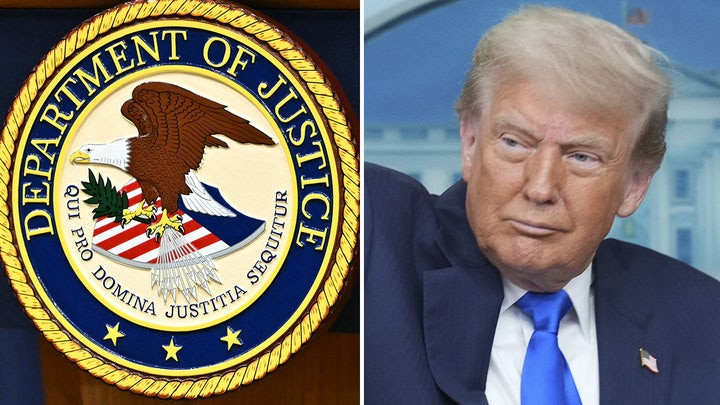
The United States Department of Justice aims to denaturalize 12 individuals for offenses ranging from providing material support to a terrorist group to committing war crimes and sexual abuse of a minor. The move, announced by the Department of Justice (DOJ) on May 8, 2026, is the latest in a series of aggressive actions by the Trump administration to revoke the citizenship of those accused of serious crimes. The Trump DOJ has ramped up its efforts to strip Americans of their citizenship.
Denaturalization Actions Under the Trump Administration
The United States Department of Justice's latest actions target 12 individuals across various U.S. district courts. These cases, filed on May 8, 2026, involve serious offenses including providing material support to terrorist groups, committing war crimes, and sexually abusing a minor. The Trump administration has been intensifying its denaturalization efforts, with a particular focus on naturalized citizens accused of hiding severe crimes or committing immigration fraud. This push aligns with a broader strategy to revoke citizenship from individuals deemed unworthy of their status, often due to past actions that do not align with U.S. values.
The DOJ's recent denaturalization actions underscore a broader trend of cracking down on those who allegedly obtained citizenship through fraudulent means. The 12 individuals targeted in the latest actions are accused of a range of serious offenses.
This initiative is part of a broader Trump DOJ strategy to strip U.S. citizenship from individuals accused of serious crimes or immigration fraud. The DOJ has been directed to refer up to 200 cases for denaturalization per month, indicating a significant escalation in efforts to strip Americans of their citizenship.
Process and Justification for Denaturalization Actions
Denaturalization is a complex legal process, involving both civil and criminal actions. The Department of Justice has been prioritizing these cases, instructing its attorneys to focus on denaturalization efforts. The process involves reviewing cases where individuals are suspected of hiding crimes or committing fraud to gain U.S. citizenship.
Critics argue that the aggressive pursuit of denaturalization may lead to unfair targeting of certain groups, particularly naturalized citizens. The Justice Department's actions are part of a broader strategy to ensure that those who have obtained citizenship through fraudulent means are held accountable. This push highlights the ongoing tension between national security concerns and the rights of naturalized citizens.
The Impact and Implications of Denaturalization
The denaturalization actions by the Department of Justice have sparked debate over the balance between national security and the rights of naturalized citizens. While the DOJ's efforts aim to uphold the integrity of the citizenship process, critics argue that the aggressive tactics may infringe on individual rights. The recent actions underscore the Trump DOJ's commitment to targeting those who have allegedly violated the terms of their citizenship through serious criminal offenses.
The cases are filed by the United States Department of Justice in multiple districts, targeting individuals from various countries, including Iraq. This push to denaturalize has been driven by the Trump administration's focus on national security and the integrity of the immigration system. The DOJ aims to ensure that those who hold U.S. citizenship are worthy of the status, free from past actions that compromise national security or the legal immigration process.
"The denaturalization process is a critical tool for ensuring that those who hold U.S. citizenship are deserving of that status. The DOJ's actions are a reminder that citizenship is a privilege, not a right, and should be protected from those who seek to undermine it through fraud or criminal behavior." - U.S. Department of Justice spokesperson
Next, watch for the United States Department of Justice's next moves in denaturalization efforts on July 2026 when the Supreme Court is expected to review the legality of the Trump administration's efforts.