El Niño's Surprising Grip on the Atlantic: A Stark Hurricane Season
El Niño's Unprecedented Influence on the 2026 Hurricane Season
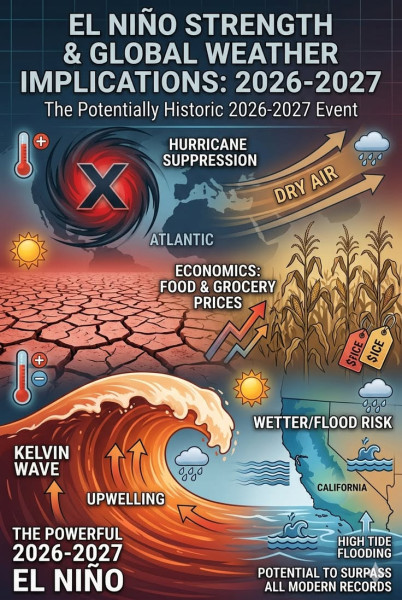
The current Atlantic hurricane season has been anything but typical. The strong El Niño has played a pivotal role in suppressing Atlantic hurricane activity. This has led to a new record for the latest start to a hurricane season in the Atlantic basin, with no hurricanes forming for 103 days. The last time we saw such a prolonged period without a hurricane was in 1914, highlighting just how unusual this season has been.
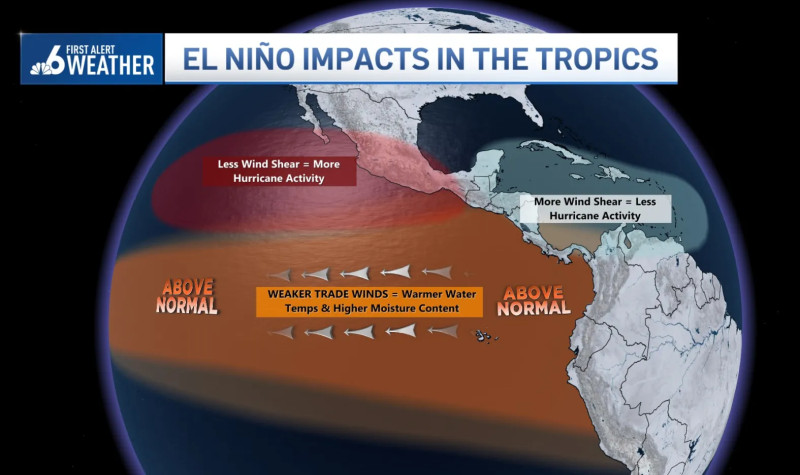
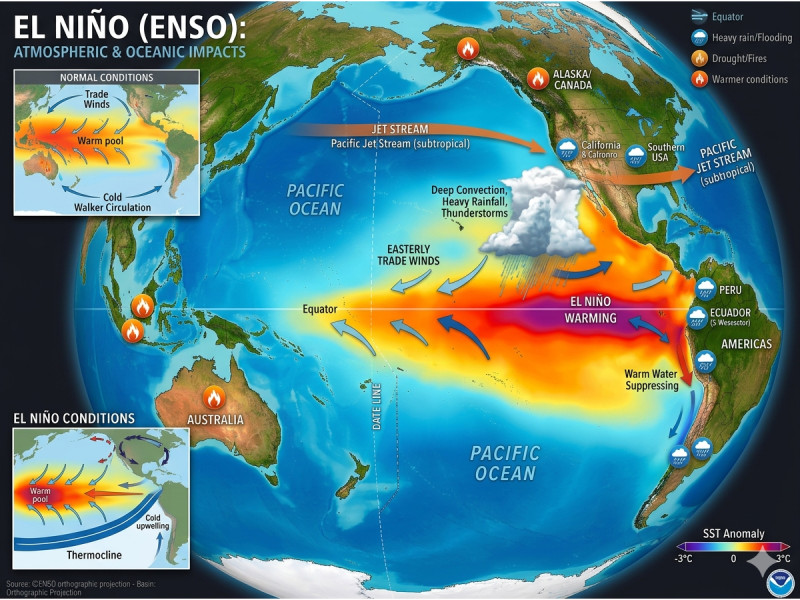
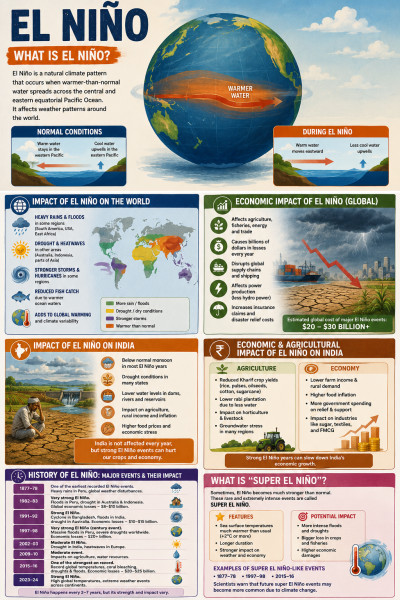
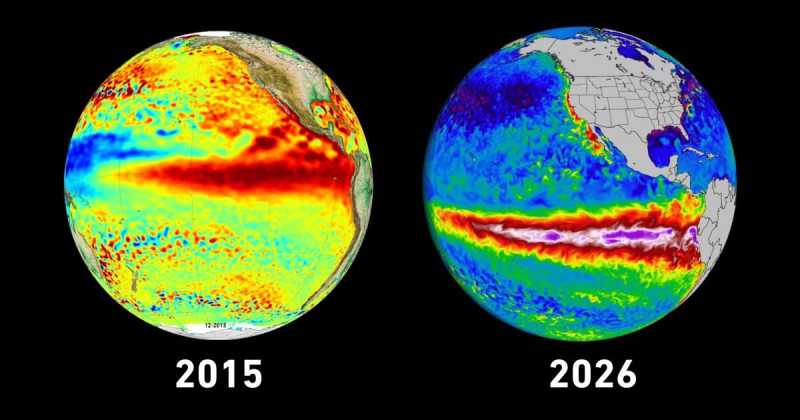
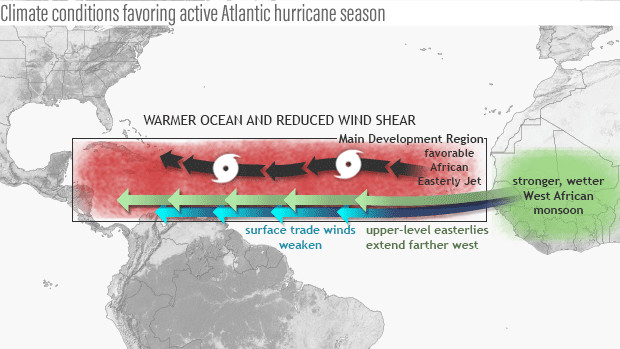
El Niño, a climate pattern marked by unusually warm ocean temperatures in the Pacific, has a significant influence on weather patterns globally. In the Atlantic, it tends to increase vertical wind shear, making it harder for storms to develop and strengthen. This year, the El Niño has been particularly strong, effectively strangling fledgling storms before they can grow into full-blown hurricanes.
NOAA's predictions for a below-normal Atlantic hurricane season have held true, driven by the powerful El Niño event. The National Hurricane Center has been closely monitoring the situation, issuing marine warnings and providing updates to keep the public informed.
This year's Atlantic hurricane season has been a stark reminder of the unpredictable nature of weather patterns. The strong El Niño has disrupted the typical hurricane formation process, leading to a season with no hurricanes for 103 days—a new record.
Despite the quiet season, it's important to note that a lack of hurricanes does not mean the season is over. The Atlantic basin can still see storm development, and it's crucial to stay informed through reliable sources like the National Hurricane Center and NOAA. The Washington Post offers a live hurricane tracker and detailed analysis, providing valuable insights into the ongoing weather patterns.
Let's not kid ourselves, though. El Niño's influence doesn't mean we're off the hook. The Atlantic hurricane season typically runs until November 30, and while the El Niño is a powerful force, it's not an immunity shield. The Atlantic Ocean can still produce storms, and we must remain vigilant.
Record-Breaking Quiet: A Look at the 2026 Hurricane Season
Although the Atlantic hurricane season has been unusually quiet, it's not without precedent. Recent years have seen similar patterns, with fewer storms and less intense activity. This trend is part of a broader pattern of climate variability, influenced by factors like El Niño and La Niña, as well as broader climate change impacts.
However, the data is damning: a new record has been set for the latest start to a hurricane season in the Atlantic basin. The last time the Atlantic went this long without a hurricane was in 1914, emphasizing the rarity of this event. The season's unpredictability underscores the need for continuous monitoring and preparedness, regardless of the current quiet period.
Here's what nobody's asking: what happens if the El Niño weakens? If the strong El Niño begins to dissipate, the Atlantic could see a sudden surge in hurricane activity. This is a scenario that meteorologists are keeping a close eye on, as it could dramatically alter the remainder of the season. The Atlantic hurricane season typically runs until November 30, and while the El Niño has been a dominant force, it's not a guarantee of a quiet end to the season.
For those keeping track, the season's unusual quietude has spanned nearly 103 days with no hurricanes. It’s a stark anomaly that has left meteorologists and climate scientists in a state of cautious astonishment. This unprecedented stretch has been driven by an unusually strong El Niño, which has effectively suppressed the formation of hurricanes in the Atlantic.
Despite the calm, experts warn that the season isn't over, and we should remain vigilant. The Atlantic hurricane season officially ends on November 30, and while the strong El Niño has been a dominant force, it's not a shield against potential storms. As we approach the end of the season, it's crucial to stay informed and prepared, keeping an eye on updates from reliable sources like the National Hurricane Center and NOAA. The Atlantic can still produce storms, and the latest forecasts suggest that we should be ready for anything.
The season's quietude has been driven by a strong El Niño, a climate pattern marked by unusually warm ocean temperatures in the Pacific. This has led to a new record for the latest start to a hurricane season in the Atlantic basin, with no hurricanes forming for 103 days.
The first hurricane of the 2026 Atlantic season roared into Florida late recently, unleashing destructive winds, extensive flooding, and spinning up tornadoes across the Southeast. This sudden onset, despite the season's prolonged quiet, underscores the need for constant vigilance and preparedness. The National Hurricane Center and NOAA have been closely monitoring the situation, issuing updates and marine warnings to keep the public informed. The Atlantic hurricane season may be winding down, but it's not over yet, and we should all remain alert.
How does this story make you feel?
 Up next · ScienceAustin faces severe weather as thunderstorms loom