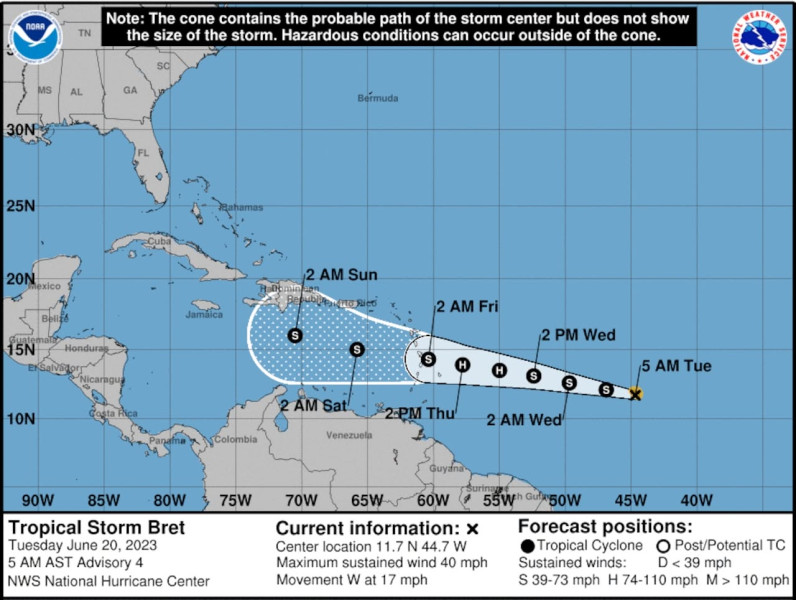
The National Hurricane Center has issued a tropical storm watch for the Gulf Coast as Tropical Storm Bertha continues to pose a significant threat. The storm, which recently intensified from a tropical depression, is forecasted to bring heavy rains, thunderstorms, and potential flooding to the region. Let's dive into the latest developments and understand the implications for the Gulf Coast.
Understanding Tropical Storm Bertha's Path and Intensity
The latest updates from the NOAA and the National Hurricane Center (NHC) indicate that Tropical Storm Bertha is drifting west-northwest across the northeastern Gulf of Mexico, heading toward southeastern Louisiana. Although strong wind shear is limiting rapid intensification, Bertha is expected to bring prolonged tropical-storm-force winds, storm surge, and heavy rainfall to portions of the Florida Panhandle, the central Gulf Coast, and southern Louisiana through midweek.
The storm, initially tracked as Invest 91L, has shown visible circulation, prompting the NHC to upgrade it to a tropical depression and subsequently to a tropical storm. The storm's formation off the coast of Florida on Monday evening has been closely monitored by meteorologists, with the potential for it to develop into a hurricane still on the table, although the latest forecasts suggest it may remain a tropical storm.
Tropical Storm Arthur last month brought heavy rainfall to the southeastern United States, serving as a reminder of the potential impact of such storms. Now, Bertha is the second named storm of the Atlantic hurricane season, and its development has been watched closely by weather experts. The storm's track, as indicated by the NHC, suggests that it will continue to drift towards the Gulf Coast, potentially impacting areas from Florida to Louisiana.
Preparing for the Impact: Warnings and Watches
The NHC has issued a tropical storm watch for the Gulf Coast, urging residents to prepare for potential impacts. This includes securing loose items, stocking up on essential supplies, and being ready to evacuate if necessary. The NOAA has been instrumental in providing real-time updates and forecasts, helping residents stay informed about the storm's progress.
Weather experts are also using satellite imagery, radar data, and other tools to track Bertha's movement and intensity. The National Weather Service has been issuing advisories and warnings, providing critical information to help residents and emergency responders make informed decisions.
"The key to staying safe during a tropical storm is preparation and vigilance. Residents should follow the advice of local authorities and stay informed about the storm's progress."
The Counter-Argument: Why Some Residents May Be Complacent
Some residents may be lulled into a false sense of security. The storm is not expected to rapidly intensify into a hurricane, and the wind shear is expected to slow the storm's development. However, the potential for heavy rainfall, storm surge, and localized flooding should not be underestimated. It is crucial for residents to remain vigilant and prepared, even if the storm does not reach hurricane strength.
Let's not kid ourselves, the data is damning: residents in the Gulf Coast have faced similar storms in the past, and the impact has often been severe. For instance, Puerto Rico experienced only tropical storm conditions during a previous hurricane, but the rainfall amounts were significant. Bertha's potential impact should not be taken lightly, especially considering the region's history of severe weather events.
Looking Ahead: What's Next for Tropical Storm Bertha?
As Tropical Storm Bertha continues its path toward the Gulf Coast, residents and emergency responders are bracing for impact. The latest forecasts suggest that the storm will bring prolonged tropical-storm-force winds, storm surge, and heavy rainfall to the region. The exact path and intensity of the storm are still subject to change, and residents should stay informed by following updates from the NHC and local weather authorities.
The NHC is continuously monitoring the storm and providing updates on its path and potential impacts. While the storm's intensity may not reach hurricane levels, the threat of heavy rainfall, storm surge, and localized flooding is real. Residents should remain vigilant and prepared, following the advice of local authorities to ensure their safety.
Bertha, the second named storm of the Atlantic hurricane season, is a reminder of the importance of preparedness and vigilance in the face of potential weather threats.