Trump's Tariffs: The Latest Round of Tariffs in 2026

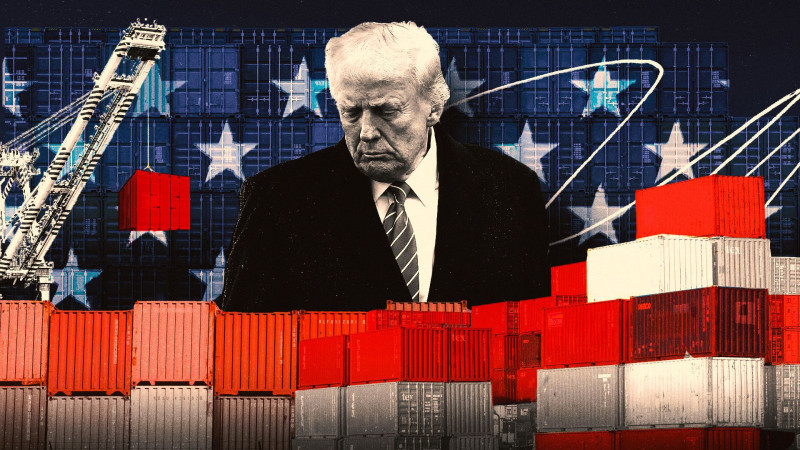
President Donald J. Trump has launched a new phase of tariffs this summer, striking out against dozens of countries with aggressive measures. In the President's third term, tariffs have morphed from a bold strategy into a norm.
The Trump administration's tariffs have become a defining feature of his economic policy, but what exactly are they, and why have they been implemented?President Trump's Tariffs in 2026: An Overview
Trump has implemented tariffs to tax goods from foreign countries entering the U.S., an aggressive move that has sparked both support and backlash. The tariffs imposed by the President aim to address a range of economic and national security concerns, including protecting and strengthening U.S. manufacturing. These tariffs are not just a trade barrier but a strategic tool in the President's broader economic policy.
Within the first days of his second term, Trump invoked authorities under the International Emergency Economic Powers Act (IEEPA) to impose a temporary import surcharge. Trump's tariffs have ranged from 10 to 25 percent on various goods, affecting multiple industries and trading partners. The Trump administration also proposed new tariffs of either 10 or 12.5 percent on imports from 60 countries, citing their alleged failure to prohibit imports of goods made with forced labor.
Proposals like these have sparked intense debates over the effectiveness of tariffs and their broader impact on the economy. Some argue that while tariffs might protect local industries, they also impose a significant economic burden on foreign exporters.
Trump's Tariffs and the Ongoing Trade War
Tariffs are more than just a policy; they represent a new era of trade wars. Think again of the premise: tariffs are a battle cry, not just a tax. Trump's administration has a clear strategy: impose tariffs and force trading partners to negotiate on more favorable terms.
In recent months, tariffs have been imposed on a range of goods, from steel and aluminum to consumer electronics. The administration has also targeted countries like China, Mexico, and the European Union, leading to retaliatory measures that have escalated tensions.
The Supreme Court rejected some of Trump's most aggressive tariffs earlier this year, sparking a new wave of tariff actions. Trump vowed to find other ways to tax foreign goods and launched a new tariff push targeting dozens of countries.
The White House Fact Sheet reveals the President's rationale: to address fundamental international payment problems and protect U.S. industries. The consequences? It’s a double-edged sword, with tariffs raising prices for consumers and businesses while generating significant revenue for the government.
The Impact of Tariffs on the Economy
Tariffs have had profound effects on the economy, creating a surge in revenue but also causing inflation. According to the Tax Policy Center, the government is taking in more revenue than ever from tariffs.
However, the economic burden on foreign exporters and the rising prices for American consumers are significant. The tariffs have sparked protests and legal challenges, but the administration remains steadfast in its approach.
The tariffs have been justified under Section 301 of the Trade Act of 1974, which allows the President to penalize foreign trade practices deemed unfair. This action has drawn criticism from various quarters, including economists who argue that tariffs can lead to a trade imbalance and harm the broader economy.
But here’s the cold, hard truth: Trump's tariffs are working as intended. Gone. The President's strategy is clear: impose tariffs, spark backlash, then negotiate. The world is watching. Will the U.S. economy bend under the weight of these measures, or will Trump's tariffs pave the way for a new era of trade dominance? Only the months ahead will tell, and nobody saw this coming.
The latest round of the tariffs are a bold move but have sparked backlash and legal challenges, with critics arguing that the strategy could lead to a trade imbalance.
As we stand on the precipice of 2026, the question remains: how long can Trump's tariffs hold? The President has shown no signs of slowing down, continuing to impose tariffs at a feverish pace, leaving the world to grapple with the economic fallout.
How does this story make you feel?
 Up next · BusinessThe Shocking Exodus from Howard University: Unenrollment Crisis Looms Over Famed HBCU