Tropical Depression Bertha: The Storm's Lingering Impact on Houston

As the clock struck midnight on July 24, 2026, the city of Houston braced for the aftermath of Tropical Depression Bertha, a storm that had weakened from its earlier tropical storm status but still carried a significant punch. The city's residents, accustomed to the unpredictable weather patterns of the Gulf Coast, watched and waited with a mix of apprehension and resilience. The storm's center moved just northeast of Houston, its moisture lingering like an unwelcome guest, bringing rain and lower temperatures to southeast Texas, a stark contrast to the usual humid heat.
Bertha's Journey: From Tropical Storm to Depression
The path of Tropical Depression Bertha was a rollercoaster of changes. Originally designated as a tropical storm, Bertha made its way west, making landfall in St. Bernard Parish on Wednesday, before another landfall near the Texas-Louisiana border on Thursday. As it moved inland, the storm weakened, eventually being downgraded to a tropical depression by the National Hurricane Center. This downgrade brought some relief, as all remaining tropical storm warnings were discontinued.
Despite the downgrade, Bertha's influence was far from negligible. The storm's cone of uncertainty, a measure of potential paths, had initially covered a wide swath of the Gulf Coast, but as it moved inland, it became clear that the impact would be largely confined to the coastal regions. This shift was a relief for Houston, as the initial forecasts had suggested a broader impact.
The Impact on Houston: Rain, Wind, and Resilience
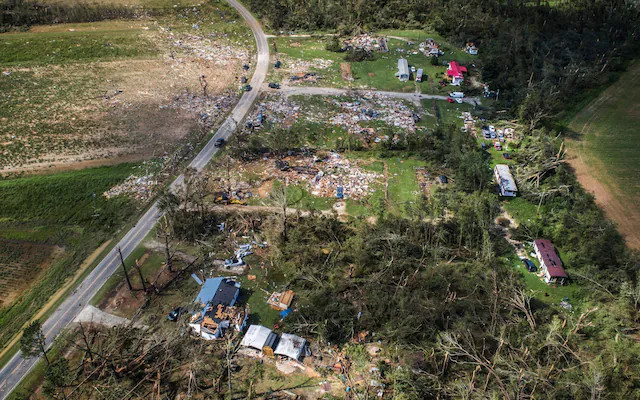
The city of Houston, a bustling metropolis with a population of over 2.3 million, was prepared for the worst but hoped for the best. The storm brought significant rainfall, which, while not unprecedented, led to localized flooding and disruptions in daily life. The wind, while not as intense as during the storm's peak, still gusted at speeds of up to 35 miles per hour, causing minor damage and power outages in some areas.
Residents and businesses in the affected areas were no strangers to such weather events. The city's infrastructure, honed by years of experience with tropical storms, was resilient. Emergency services were on high alert, ready to respond to any crises that arose. The city's response teams, including the Houston Office of Emergency Management, worked tirelessly to ensure public safety, coordinating efforts to clear debris and restore power.
— The true test of a city's resilience is how it handles the aftermath of a storm, not just the storm itself. While the impact of Bertha was significant, the city's response was a testament to its preparedness and resilience.
What Lies Ahead: The Storm's Lingering Moisture
As the storm's center moved away from the city, the lingering moisture continued to influence the weather. The forecast for the coming days remained uncertain, with meteorologists predicting more rain and potential thunderstorms. The humid air, a characteristic of the Gulf Coast, added to the discomfort, as residents faced the challenge of returning to their daily routines while dealing with the lingering effects of the storm.
Bertha's impact, though significant, was not an isolated event. The Gulf Coast is no stranger to tropical storms and depressions. The region's geographical location and climate make it a hotspot for such weather patterns. For residents, it's a part of life, a constant reminder of the need for preparedness and resilience. The city has invested heavily in infrastructure and emergency response systems, ensuring that it is ready to face any weather challenges that come its way.
The lingering moisture from Tropical Depression Bertha serves as a reminder that the storm's impact is far from over. The city of Houston, with its resilient spirit and well-prepared infrastructure, continues to face the challenges brought by the storm, demonstrating its unwavering resilience.
The city of Houston, a bustling metropolis with a population of over 2.3 million, was prepared for the worst but hoped for the best. The storm brought significant rainfall, which, while not unprecedented, led to localized flooding and disruptions in daily life. The wind, while not as intense as during the storm's peak, still gusted at speeds of up to 35 miles per hour, causing minor damage and power outages in some areas.
How does this story make you feel?
 Up next · WorldThe Howard Unenrollment Crisis: Students Left in the Lurch