Delta Air Lines' Recent Disruptions: Flight Delays and Ground Stops
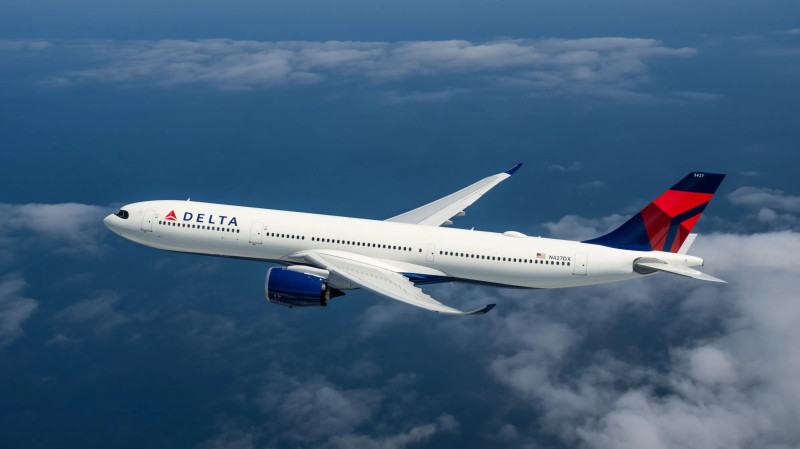
The aviation industry is abuzz with the latest news about Delta flight delays, which have caused significant disruptions across the United States. The recent Delta outage, causing Delta ground stop procedures at key hubs, has left thousands of passengers stranded and frustrated. Let's delve into the reasons behind these delays, the impact on travelers, and the broader implications for the airline industry.
Technical Glitches Ground Delta Flights
Recent reports indicate that Delta flights have been experiencing widespread delays due to a technical outage in its automated weight and balance system. This system is crucial for calculating the weight distribution of each flight, ensuring safe and efficient takeoffs. The outage has led to a significant backlog, with over 1,300 flights delayed across the country.
The ground stop, which began at Hartsfield-Jackson Atlanta International Airport, has had a domino effect, halting Delta flights from 14 of the 20 air traffic control centers. The FAA's advisory on the ground stop has left many passengers in limbo, with some flights delayed for hours and others facing cancellations.
Delta Air Lines has acknowledged the issues, attributing them to a technical malfunction that disrupted their automated systems. The outage comes at a particularly challenging time, as millions of people are preparing to travel for the upcoming holidays. The timing could not be worse, as the Thanksgiving holiday season is known for its high travel volume and increased stress on airline operations.
“The outage has caused a significant ripple effect, impacting our operations and, unfortunately, our customers,”said a Delta spokesperson, highlighting the airline's commitment to resolving the issue as quickly as possible.
The Impact on Passengers and the Broader Industry
The ground stop and subsequent delays have had a profound impact on passengers, many of whom are trying to reach their destinations for the holiday season. The disruption has led to widespread frustration, with travelers facing long wait times, canceled flights, and uncertain travel plans. The ripple effect of these delays has also affected other airlines, as the congestion at major hubs like Atlanta International Airport has caused a chain reaction of delays and cancellations.
For Delta, the outage is a stark reminder of the critical role that technology plays in modern aviation. The airline industry relies heavily on automated systems for everything from flight scheduling to weight and balance calculations. When these systems fail, the consequences can be severe, as evidenced by the recent delays.
The broader implications for the airline industry are also significant. The incident highlights the need for robust contingency plans and fail-safes to mitigate the impact of technical outages. Airlines must invest in redundant systems and comprehensive training for their staff to handle such emergencies effectively. The FAA's involvement in managing the ground stop underscores the collaborative effort required to address these challenges.
Gone. Think again, the issue is far from resolved. The FAA's ground stop has been lifted, but the repercussions are still being felt. The industry must learn from this incident and implement measures to prevent similar disruptions in the future. Passengers, meanwhile, are left to deal with the aftermath, hoping for a smoother travel experience in the coming days. The question remains: How will Delta and the broader industry adapt to ensure that such outages do not derail future travel plans?
The Road to Recovery
Delta Air Lines has been working diligently to restore normal operations, but the road to recovery is fraught with challenges. The airline has implemented contingency measures, including rerouting flights and utilizing alternative systems to manage the weight and balance calculations. However, the backlog of delayed and canceled flights poses a significant hurdle.
Delta's response to the crisis has been swift, with the airline providing real-time updates and support to affected passengers. The airline's customer service teams are working around the clock to assist travelers, offering rebooking options and compensation where possible. Despite these efforts, the ground stop's impact is undeniable, and many travelers are left frustrated and inconvenienced
Nobody saw this coming. The outage serves as a wake-up call for the aviation industry, highlighting the importance of preparedness and resilience in the face of technological failures. As the holiday travel season approaches, airlines must prioritize robust systems and contingency plans to avoid similar disruptions. Delta, in particular, will need to address the root causes of the outage and ensure that such incidents do not recur.
In the meantime, passengers are left to navigate the disrupted travel landscape. The ground stop has subsided, but the ripple effects continue to reverberate through the system. As travelers look to the future, the question of trust in airline operations looms large. Will Delta and other airlines be able to regain passenger confidence? Only time will tell, but one thing is certain: the recent Delta outage has left an indelible mark on the aviation industry, prompting a critical reevaluation of its technological infrastructure and contingency measures. With the holiday travel season underway, the industry must rise to the challenge and ensure that future disruptions are minimized. For now, the focus is on recovery, and the hope is that lessons learned from this incident will pave the way for a more resilient and reliable aviation sector. The upcoming Thanksgiving holiday season is poised to test these measures, as millions of travelers take to the skies, eager to reunite with loved ones despite the recent turbulence. However, amidst the chaos, there is a glimmer of hope as the industry strives to regain its footing and provide a smoother travel experience for all.
How does this story make you feel?
 Up next · TechTesla's FSD v15: The Latest in Self-Driving Technology