The White House Correspondents' Dinner Roars Back with a New Twist
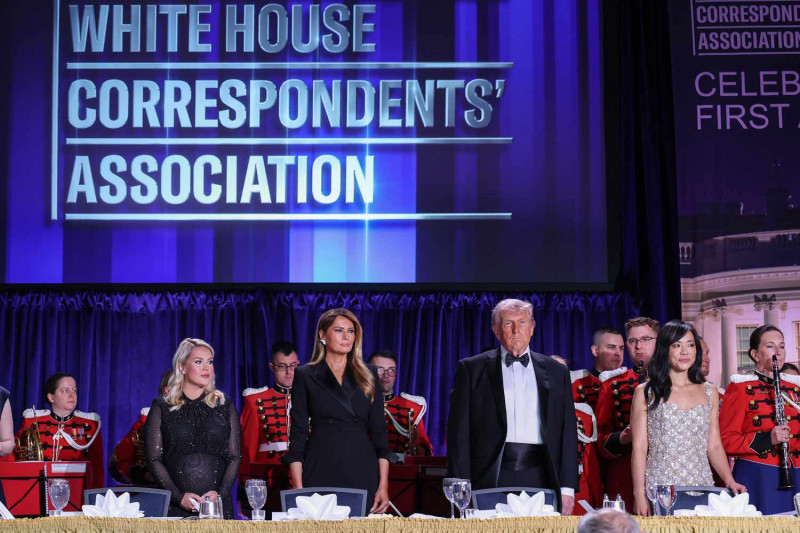
The White House Correspondents' Dinner, an annual tradition that brings together journalists, politicians, and celebrities, has returned with a dramatic flair, featuring President Donald Trump's first address to the event after boycotting it for years.
Trump's Surprise Appearance, Enhanced Safety
The event was originally scheduled for April 25, but a shooting incident forced a suspension. After a three-month hiatus, the event took place on July 24 at the Waldorf Astoria. Security was a top priority; the venue was equipped with "significantly enhanced safety measures", ensuring that the dinner proceeded smoothly.
President Trump, who had not attended the dinner during his first term, made a surprise appearance. His decision to attend sparked a mix of reactions, with some journalists praising his willingness to engage in a more open forum, while others expressed skepticism about his motives. One thing is clear: his presence marked a notable shift in his relationship with the press.
An Event with a Complicated History
The White House Correspondents' Dinner, often referred to as the WHCA Dinner, has a rich history. The event, organized by the White House Correspondents' Association (WHCA), began in 1921 and has been a staple in Washington D.C. ever since. The dinner is traditionally attended by the president and is a significant occasion for journalists to raise money for scholarships and awards.
The 2025 dinner, held on April 26 at the Washington Hilton, was a somber reminder of the event's complex history. It lacked the entertainment component that had been a hallmark of previous years. President Trump, though he had been invited, did not attend, which was a notable shift from the usual tradition of presidential participation.
In the past, the dinner has served as a platform for presidents to showcase their wit, often at the expense of the media. However, in recent years, it has become a more political event, with some presidents choosing to skip the tradition, as Trump did in 2025. The dinner's role in politics remains contentious, with some arguing that it provides a crucial opportunity for dialogue and others viewing it as a superficial spectacle.
The shooting incident at the 2026 dinner has added another layer of complexity to the event, raising questions about safety, security, and the future of presidential participation.
Is the WHCA Dinner Still Relevant?
This year's event has been marked by controversy and speculation. President Trump's decision to attend the rescheduled dinner has sparked a series of questions among those in attendance and the wider public. What swayed Trump to finally appear at the dinner? Is this a sign of a new era of cooperation between the president and the press? Or is it a political maneuver to deflect from recent controversies?
The dinner's relevance, its purpose, and the significance of its continuation in the face of heightened tensions and security concerns remain open to question. The
WHCA Dinner stands at the intersection of politics, media, and public interest, and this year's events have only deepened the intrigue surrounding this storied tradition. Can the dinner continue to serve its original purpose of honoring journalism in the face of these new challenges?
The White House Correspondents' Dinner has always been a spectacle, a blend of politics and glamour. This year, the drama has reached new heights, with a president's return to the stage and the looming specter of violence. But as the dust settles and the lights dim, one thing remains: the White House Correspondents' Dinner is a tradition that continues to provoke thought, inspire conversation, and often, leave us with more questions than answers.
How does this story make you feel?
 Up next · PoliticsBreaking News: Alexander Blockx Clashes with Anna Bondar and Daria Snigur in Paris