Iranian Drone Strike on Bahrain Base: Latest Update on U.S. Radar System Attack
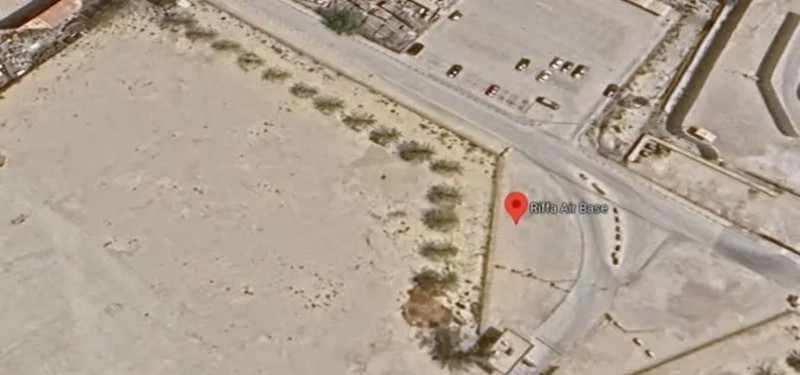
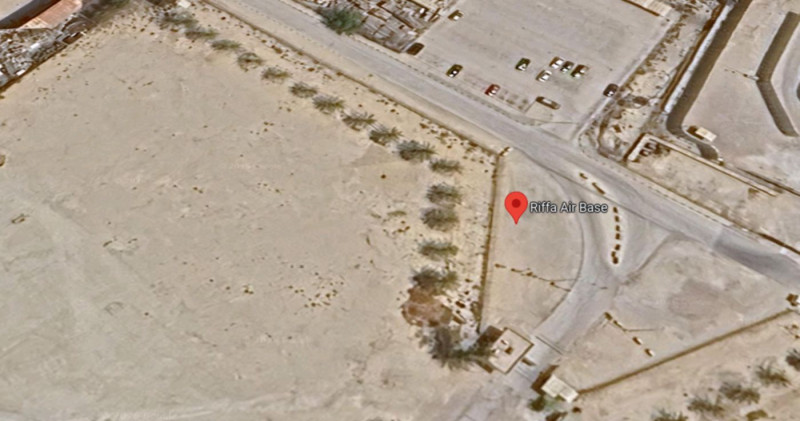
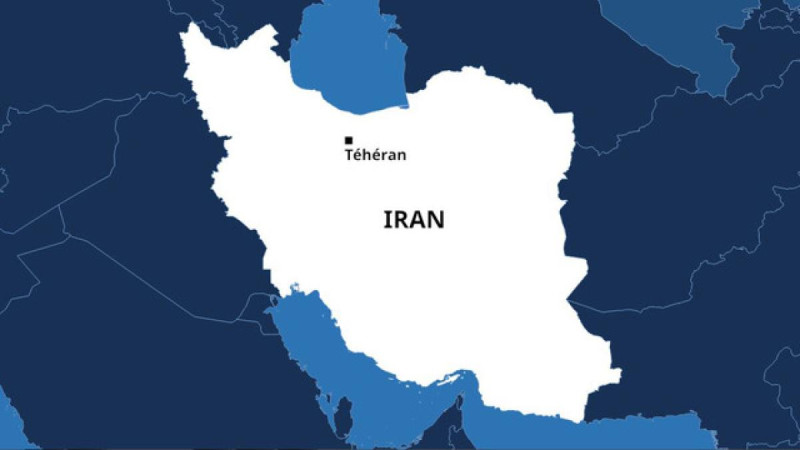
The Islamic Revolutionary Guard Corps (IRGC) recently launched a series of drone strikes targeting a critical US air defense radar facility at the Al-Riffa air base in Bahrain. The significance of this operation lies in its direct escalation of regional tensions, as well as the IRGC's intent to retaliate for perceived aggressions.
Unpacking the IRGC's Drone Attack on Al-Riffa Air Base
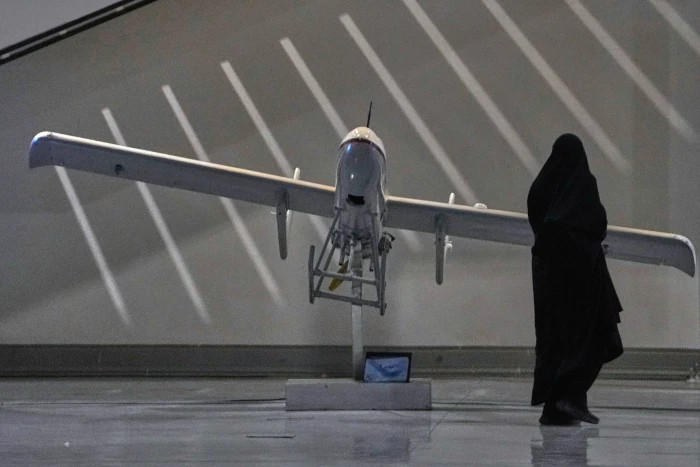
The IRGC launched six drones targeting the Al-Riffa helicopter base in Bahrain. The attack was reportedly a retaliation for suspected US actions in Iran. According to the IRGC statement, the drones successfully struck the U.S. radar system, which is a crucial component of the defense infrastructure in the region. The attack underscores the IRGC's advanced capabilities in drone warfare.
The potential impact of such an attack on regional stability cannot be overstated. Bahrain, a key ally of the United States, has repeatedly been a target of Iranian aggression, raising concerns about the broader implications for Middle East security.
The Immediate Aftermath and Bahrain's Response
The Bahraini military reported intercepting and destroying the drones, mitigating the immediate threat. However, the fact that the IRGC successfully launched such a complex operation highlights the challenges faced by the Bahraini defense system. The intercepts were part of a broader alert system that included the first nationwide threat alert in months.
This event marks a significant escalation in tensions. The IRGC's ability to carry out such attacks demonstrates a shift in its strategic capabilities, suggesting a more aggressive posture.
Iran's Strategic Intentions and the Path to De-escalation
The IRGC's statement indicated that the attack was part of a broader strategy to retaliate against what it described as US aggression. This is not an isolated incident; Iran has a history of using drones and ballistic missiles to target regional opponents, particularly in the context of its ongoing conflicts in Syria, Iraq, and Yemen.
Despite the escalation, Iran has reiterated its willingness to engage in diplomatic efforts, indicating that a path to a potential deal with the US remains open. This dual approach — aggression coupled with diplomatic outreach — reflects Iran's complex geopolitical strategy, which involves balancing military action with the potential for future negotiations. The intersecting interests of Iran, the US, and Bahrain in the region make the situation highly volatile.
"The current situation in the Middle East is a delicate balance of power, where even a small escalation can have significant consequences. Iran's actions in Bahrain show a willingness to test the limits of regional defense capabilities, while also leaving open the possibility of de-escalation through diplomacy," said a senior analyst speaking on the condition of anonymity.
The current situation in the Middle East is a delicate balance of power, where even a small escalation can have significant consequences. Iran's actions in Bahrain show a willingness to test the limits of regional defense capabilities, while also leaving open the possibility of de-escalation through diplomacy.
How does this story make you feel?
 Up next · WorldOrlando Braces for Unseasonable Cold Snap, Tourists Wary