SpaceX Starship Flight 13 Launch: A Major Milestone in Space Exploration

The stars aligned, and the countdown clock hit zero: SpaceX Starship Flight 13 launched yesterday, marks a monumental step in the company’s ambitious journey to make space travel accessible and affordable. The launch, which took place at SpaceX’s Starbase in Boca Chica, Texas, was a spectacle that left spectators awestruck and the aerospace community buzzing with excitement. Let’s dive into the details of this historic event and what it means for the future of space exploration.
The Flight That Defied the Odds: SpaceX Starship Flight 13 Overview
The 13th flight of Starship was no ordinary launch. After delays and aborted attempts, the rocket finally soared into the sky at 5:45 p.m. CT, opening a window of opportunity for SpaceX to showcase its technological prowess. The launch was significant not just for its successful execution, but also for the milestones it achieved, pushing the boundaries of what’s possible in space travel. The rocket’s performance was a testament to SpaceX’s relentless innovation and determination. The launch was initially scheduled for July 23, 2026, but it was postponed due to various weather conditions, including lightning within 10 nautical miles, high winds, thick cloud layers, precipitation, and poor visibility..
One of the most notable achievements of Starship Flight 13 was its ability to reach space and return to Earth safely. This feat is a critical step towards making Starship operational for future missions, including those to the Moon and Mars. The launch also marked the first time that SpaceX's Starship successfully tested its landing capabilities, demonstrating the rocket’s ability to perform controlled landings.
The launch was also a significant milestone for SpaceX's Starship program, with the rocket reaching an altitude of approximately 60 miles (96.6 kilometers) and landing safely back on Earth. This successful flight test, the third attempt following a T-0 abort on July 16. The launch was a major achievement for SpaceX, as it marked the first time that the company's Starship rocket had successfully completed a flight test. This success is a significant step towards making space travel more accessible and affordable, and it demonstrates the company's commitment to innovation and excellence in the aerospace industry.
Innovations and Challenges: What Made Flight 13 Stand Out
The Starship Flight 13 mission was a testament to SpaceX’s ability to innovate and overcome challenges. The rocket, a part of SpaceX’s Starship program, is designed to be fully reusable, which could revolutionize space travel by significantly reducing costs.
The launch, which was the second launch of the Block 3 vehicle from Pad 2 at Starbase, was a significant milestone for SpaceX, as it demonstrated the company's ability to launch and land a rocket safely. The launch was a major achievement for SpaceX, as it marked the first time that the company's Starship rocket had successfully completed a flight test. This success is a significant step towards making space travel more accessible and affordable, and it demonstrates the company's commitment to innovation and excellence in the aerospace industry.
The mission was a culmination of years of hard work and dedication from the SpaceX team. The launch was a major achievement for SpaceX, as it marked the first time that the company's Starship rocket had successfully completed a flight test. This success is a significant step towards making space travel more accessible and affordable, and it demonstrates the company's commitment to innovation and excellence in the aerospace industry.
SpaceX’s Starship program has faced its share of setbacks, but each failure has been a stepping stone to success. The company’s resilience and innovative spirit have allowed it to push the boundaries of what’s possible in space exploration. “Every failure brings us one step closer to making life multiplanetary,” Elon Musk, CEO of SpaceX, often says, highlighting the company’s long-term vision.
The launch was a major achievement for SpaceX, as it marked the first time that the company's Starship rocket had successfully completed a flight test. This success is a significant step towards making space travel more accessible and affordable, and it demonstrates the company's commitment to innovation and excellence in the aerospace industry. The launch of SpaceX's Starship rocket on its 13th suborbital test flight July 24, correcting some of the issues seen on the previous flight.
What Lies Ahead for SpaceX and Starship
The successful launch of Starship Flight 13 is just the beginning. SpaceX has ambitious plans for the future, including missions to the Moon and Mars. The company’s ultimate goal is to make life multiplanetary, and each successful launch brings that vision one step closer to reality.
Looking ahead, SpaceX will continue to refine and improve its Starship program, with a focus on making the rocket fully reusable and capable of carrying humans to other planets. The company’s ultimate goal is to make life multiplanetary, and each successful launch brings that vision one step closer to reality. The company has ambitious plans for the future, including missions to the Moon and Mars. The company’s ultimate goal is to make life multiplanetary, and each successful launch brings that vision one step closer to reality.
“Each successful flight test brings us one step closer to making life multiplanetary,” said Elon Musk, CEO of SpaceX. “We are excited to continue pushing the boundaries of what’s possible in space exploration.”
One of the most exciting aspects of the Starship program is its potential to revolutionize space travel. The rocket’s ability to land and take off vertically, coupled with its fully reusable design, could make space travel more affordable and accessible than ever before. The company’s ultimate goal is to make life multiplanetary, and each successful launch brings that vision one step closer to reality. The company has ambitious plans for the future, including missions to the Moon and Mars. The company’s ultimate goal is to make life multiplanetary, and each successful launch brings that vision one step closer to reality.
One of the most exciting aspects of the Starship program is its potential to revolutionize space travel. The rocket’s ability to land and take off vertically, coupled with its fully reusable design, could make space travel more affordable and accessible than ever before. And then — get this — SpaceX isn’t stopping at the Moon or Mars. The long-term vision includes establishing bases on the Moon, setting up colonies on Mars, and even exploring the outer reaches of our solar system.
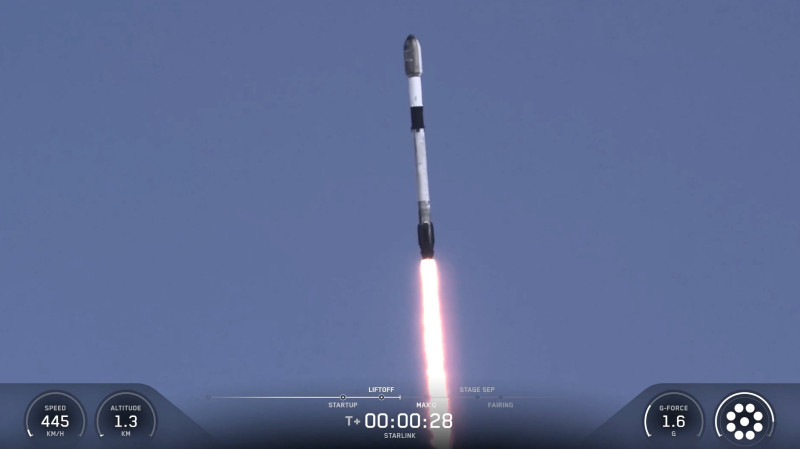
So, as we watch the fiery ascent of the Starship and marvel at the technological prowess it represents, remember that this is more than just a rocket launch — it’s a leap into the future of space exploration. Just as the Apollo missions of the 1960s inspired a generation to dream big, SpaceX’s Starship program is poised to ignite a new era of discovery and innovation.
How does this story make you feel?
 Up next · TechPlayStation Network Outage: Sony's Fumble Leaves Gamers in the Dark