Starship Flight 15: A Leap Toward Reusable Spaceflight
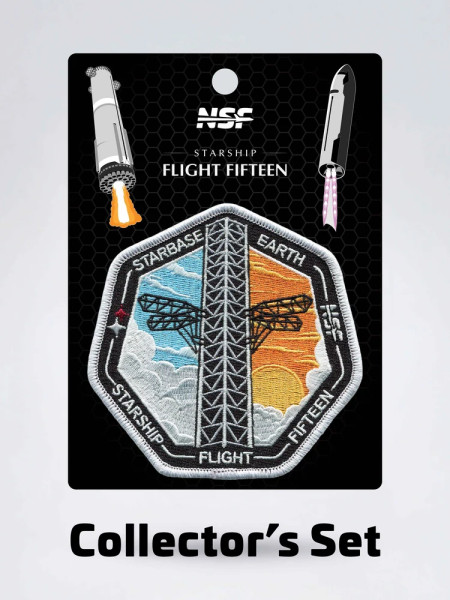
The sky is a canvas, and the paint is the fuel of ambition. What's the most ambitious stroke yet? Starship Flight 15, a monumental leap for SpaceX—and a bet on the future of space exploration. The private aerospace company, known for its groundbreaking innovations, is about to make another bold move with this mission, pushing the boundaries of rocket reusability and affordability.
Mission Objectives and the Quest for Reusability
Starship Flight 15 is more than just a mission; it's a potential turning point in the history of space travel. The primary objective of this ambitious endeavor is to launch, Starship, ascend, execute a stage separation, perform a boostback burn, and return to the launch site for catch. SpaceX plans to attempt what could be a defining moment in space exploration: catching both the Super Heavy booster and the Starship upper stage. The company aims for a world-first full recovery of an orbital rocket and spacecraft.
This mission is not just about reaching new heights but also about coming back down. The Starship will launch and hopefully return after a flight lasting more than 22 hours. The Starship is designed for full reusability, a concept that could revolutionize space travel by making it more affordable and accessible.
The Engineering Marvel of Starship and Super Heavy
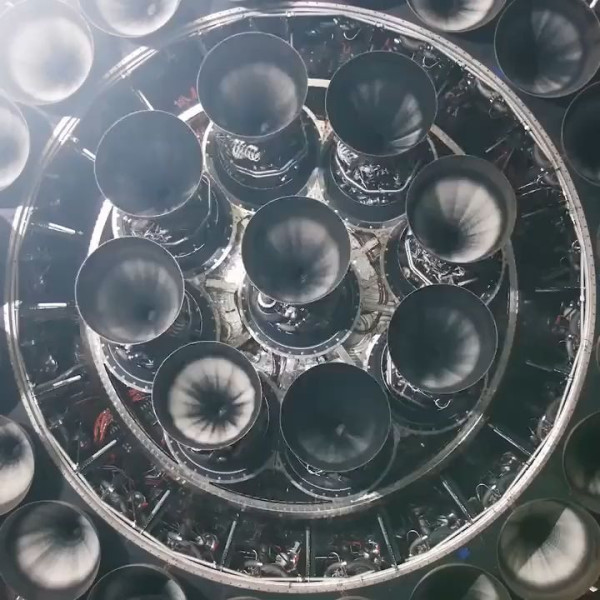
The engineering marvel of the Starship system lies in its dual-stage design. The Super Heavy booster, a behemoth capable of generating immense thrust, will propel the Starship upper stage towards orbit. On Flight 15, Booster 22 and Ship 42 will be used, named Don. The Starship itself, designed to ferry passengers and cargo to the Moon, Mars, and beyond, is a testament to SpaceX's vision of a multi-planetary future.
On this mission, Booster 22 will be caught back at Pad 2 minutes after launch, and a little under a day later, Ship 42 will return over land for its own catch attempt. This dual catch attempt is a high-risk, high-reward endeavor that could pave the way for more frequent and cost-effective space missions. SpaceX is pushing the envelope of what's possible, and the world is watching with bated breath.
The Super Heavy booster will perform a boostback burn, a critical maneuver that allows it to return to the launch site. This is a significant step toward achieving full reusability, which could dramatically reduce the cost of space travel and open up new possibilities for exploration and colonization.
The Launch and Live Updates
SpaceX has been meticulously preparing for this mission. The Starship system is set to launch from Starbase in Texas, a site that has been the hub of SpaceX's Starship development, manufacturing, testing, and launch activities. The launch is scheduled to take place from Orbital Launch Pad 2 at Starbase, pending regulatory approval.
SpaceX will be live-streaming the launch, and enthusiasts around the world can tune in to witness this historic event. The company has a track record of successful launches and landings, and the anticipation for Flight 15 is palpable. The live updates and the timeline of the mission will be available on SpaceX's official channels, providing real-time insights into the progress and challenges of this ambitious endeavor.
Elon Musk, CEO of SpaceX, recently announced on X that the company will attempt to catch both the Super Heavy booster and the Starship upper stage on Flight 15. This is a significant milestone in the quest for full rocket reusability.
The Starship system, if successful in this mission, could become the first fully reusable orbital rocket with the highest payload capacity of any launch vehicle. The implications of this achievement are profound, potentially transforming the economics of space travel and opening up new frontiers for exploration and colonization.
Starship Flight 15 is not just a mission; it's a bet on the future. It's a testament to human ingenuity and ambition, a leap toward a future where space is not just a destination but a new frontier for humanity. As the Starship ascends into the sky, it carries with it the dreams and aspirations of a new era. And as the booster and the ship return to Earth, they bring back the promise of a future where the stars are within reach.
How does this story make you feel?
 Up next · ScienceSan Francisco's Weather: An Unprecedented Climate Event Grips the City