The Unfolding Saga of Daniel Adongo Deportation by ICE
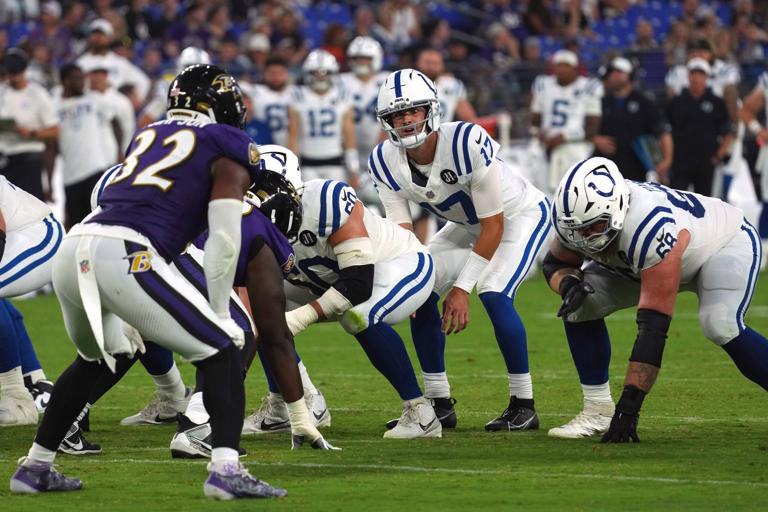
In the fluorescent glare of the briefing room, ICE officials confirmed the deportation of Daniel Adongo from the United States. The room fell silent as the news was revealed. Daniel Ogama Adongo, the former Kenyan rugby player and Indianapolis Colts linebacker, was deported on June 20, 2026, a decision that marked the end of a decade-long journey in the U.S. — a journey punctuated with arrests and periods of psychiatric hospitalization. — It's one thing to see an athlete’s career end on the field, but the drama unfolds quietly in the halls of ICE offices.
From the Rugby Pitch to the NFL Gridiron and Beyond
Daniel Adongo's journey from a rugby player in Kenya to the NFL was nothing short of extraordinary. He made history as the first Kenyan to play in the NFL, a feat that garnered international attention and admiration. However, his time in the U.S. was marred by legal troubles, including multiple arrests and a history of mental health struggles. His deportation, overstaying a visa that expired in 2016, was a culmination of these challenges. His deportation was tied to a criminal record, including a conviction for criminal mischief, which ICE officials cited as a primary reason for prioritizing his deportation as a public safety risk.
His deportation was initially revealed in a news release on July 25, 2026, which detailed the removal process. The decision was made under the Laken Riley Act, a law that prioritizes the deportation of individuals deemed a threat to public safety. Adongo's criminal record and overstayed visa were key factors in this decision.
The Legal Battle: Visa Overstay and Criminal Record
The legal process leading to Adongo's deportation was complex and multifaceted. Adongo overstayed his visa, which expired in 2016, the year after his NFL career ended. This overstay, combined with his criminal record, led to a March 23, 2026, order from a Department of Justice immigration judge, which set the stage for his removal. Further complicating matters, the Laken Riley Act, which prioritizes the removal of individuals deemed a public safety threat, was invoked in Adongo's case. This act, enacted in 2025, aims to enhance public safety by expediting the deportation of individuals with serious criminal records.
Adongo's legal troubles began to accumulate shortly after his NFL career ended. His multiple arrests and periods of psychiatric hospitalization raised serious concerns about his mental health and public safety. In 2020, following a string of arrests, it was clear his situation was dire. The decision to prioritize his deportation was not just about visa overstays; it was about protecting the community and ensuring that individuals with significant criminal histories were held accountable.
The Impact on Adongo and the Community
The deportation of Adongo has sparked a mix of reactions, from sympathy to concern. For many, it's a reminder of the delicate balance between legal compliance and compassion. Adongo's journey from a promising athlete to a deported individual highlights the challenges faced by immigrants in the U.S. — but it also underscores the importance of adhering to visa regulations and public safety laws.
Adongo's deportation comes at a time when immigration policies are under intense scrutiny. The Laken Riley Act, which facilitated his removal, has been both praised and criticized. Supporters argue that it enhances public safety, while critics contend that it lacks compassion and fails to address the root causes of criminal behavior.
As the news of Adongo's deportation spreads, it’s clear that his story is far from over. His journey from a young rugby player in Kenya to an NFL linebacker and, finally, a deported individual is a testament to the complexities of the immigrant experience in the U.S. Adongo's case serves as a reminder of the need for comprehensive immigration policies that balance public safety with compassion. Looking ahead, it remains to be seen how this narrative will unfold, but one thing is clear — Daniel Adongo’s story is a poignant reminder of the human angle in every policy decision, however, stark the outcome.
"The deportation of Daniel Adongo highlights the broader challenges faced by immigrants in the U.S. It's a stark reminder of the need for policies that balance public safety with compassion and understanding."
How does this story make you feel?
 Up next · SportsErrol Spence Jr vs. Tim Tszyu: A Night That Changed Boxing Forever