The Tragic Saga of Colt Gray: A Teenager's Life Sentence in Georgia
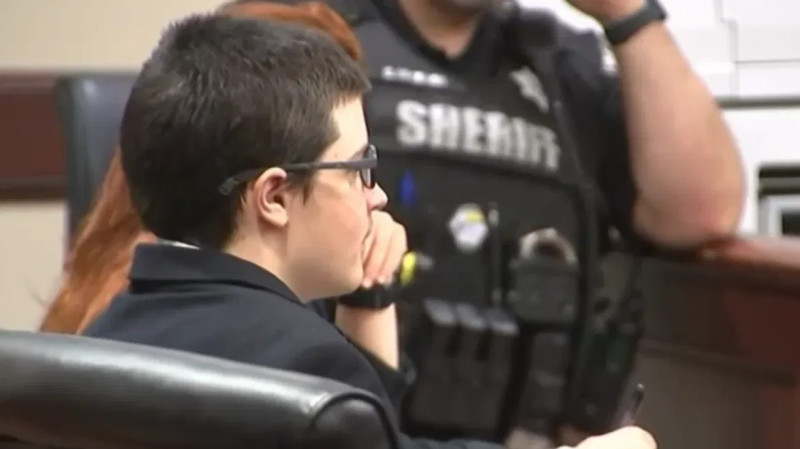
In the annals of American tragedy, the name Colt Gray will forever be etched as a grim reminder of the devastating consequences of youth violence. The 16-year-old, whose life and actions have become a national conversation, is now sentenced to life in prison for a shooting that rocked the nation nearly two years ago.
The Deadliest Day in Georgia School History
On September 4, 2024, Georgia witnessed a horrifying day that would forever change the landscape of school safety and spark a national debate on gun control. Colt Gray, then just 14 years old, entered Apalachee High School in Winder, Georgia, armed and intent on unleashing unimaginable violence. The shooting, which claimed the lives of two students and two teachers, and injured seven others, became the deadliest act of school violence in Georgia’s history.
The Courtroom Drama: A Life Sentence for a Child
For many, the sentencing of Colt Gray to life in prison without parole has been a contentious and emotionally charged issue. This extraordinary decision, handed down on July 28, 2026, marks a turning point in how the legal system deals with juvenile offenders in the face of such heinous crimes. The sentencing, however, was not without its complexities. During the sentencing hearing, a judge had to decide whether Colt Gray would spend the rest of his life in prison. The data is damning: this is one of the few instances where a juvenile has received such a severe sentence, underscoring the gravity of his actions and the irreversible impact on the victims' families.
But let’s not kid ourselves, the sentencing process was far from being only about justice: it was also a poignant reminder of the broader narrative that needs to be addressed. Here’s what nobody’s asking: Why did a 14-year-old have access to a gun, and who, if anyone, was supposed to notice the signs of his growing radicalization? The debate often overlooks the equally tragic fate of Colt Gray’s family, who are forever bound to the legacy of his actions. Despite the severity of the crime, some argue for a more nuanced approach, suggesting that rehabilitation and psychological support should play a role in the sentencing of minors. It's a sentiment echoed by many who grapple with the idea of a 16-year-old facing life in prison.
A Nation's Grief and a Family's Burden
While the sentence brings a measure of closure to the families of the victims, it also leaves a void in the Gray household. Colt Gray’s father, Colin Gray, was also charged with multiple counts, including second-degree murder, involuntary manslaughter, and cruelty to children, in connection with the tragic events. He pleaded not guilty, adding layers of complexity to an already tragic tale. The sentencing of Colt Gray echoes the broader impact of school shootings, which reach far beyond the immediate victims, affecting entire communities and families.
The nation's collective grief echoes in the halls of Apalachee High School, where the echoes of laughter and learning now mingle with the haunting memory of the shooting. The community, once vibrant and close-knit, is forever changed by the events of 2024. For the families of the victims, the wound remains raw, a constant reminder of the lives lost and the futures stolen.
“In cases like these, the justice system is tasked with delivering a verdict that balances punishment with humanity,” says a legal expert who wishes to remain anonymous. “The sentencing of Colt Gray highlights the ongoing debate on how to handle juvenile offenders in the context of such devastating crimes. It's a complex issue with no easy answers, and it's one that will continue to shape our legal and societal landscapes for years to come.”
Colt Gray’s life sentence is a stark reminder of the devastating consequences of youth violence in Georgia and across the country. As the nation grapples with the aftermath of the Apalachee High School shooting, the focus must shift to preventing future tragedies. With upcoming policy reviews and legislative changes, the hope is that measures will be implemented to ensure that no community has to endure such a loss ever again.
How does this story make you feel?
 Up next · PoliticsJay Clayton, Bill Pulte and a Spy Scandal Draw Scrutiny