West Coast High Surf Warning: Massive Waves Slam California Coast
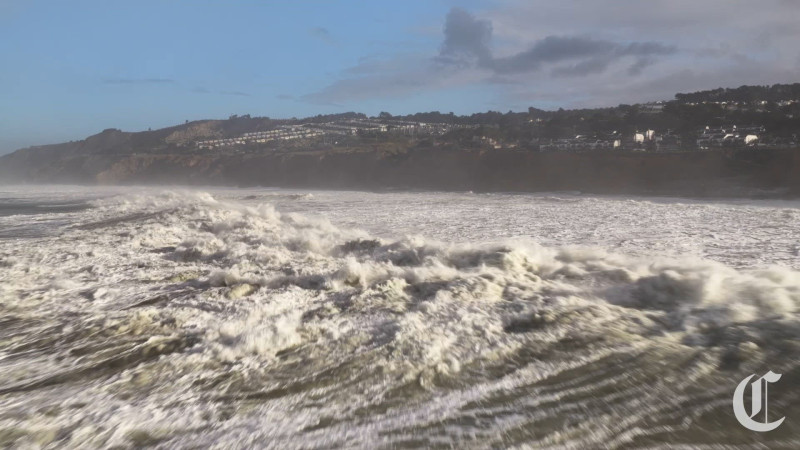
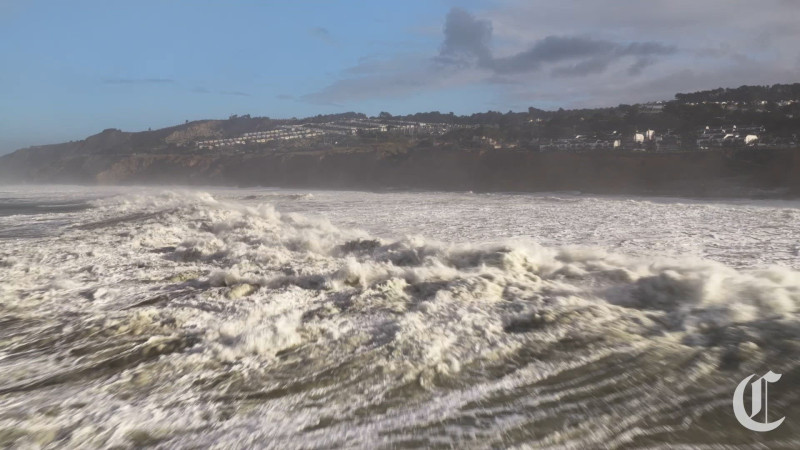
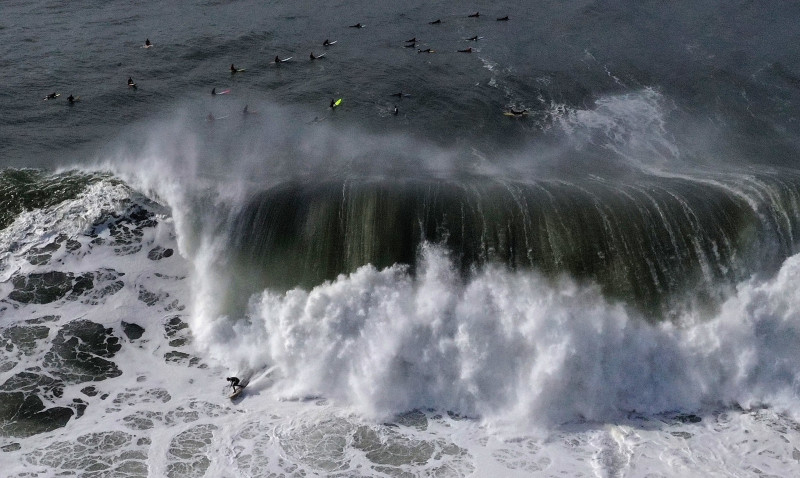
The West Coast is reeling from a powerful surge of colossal waves, turning iconic piers into inaccessible islands and transforming streets into rivers. The high surf warning has brought the state to a standstill, as waves as tall as apartment buildings crash onto the shore, forcing safety officials to shut down beaches and piers. Residents and visitors alike are bracing for the massive waves and the chaos they have brought to Central Coast communities.
California's Central Coast Under Siege
In recent times, the California coast has been pummeled by monumental waves as high as 20 feet, inundating beaches, flooding streets, and forcing the closure of iconic piers. The National Weather Service has issued urgent high surf and flood warnings for San Luis Obispo and Santa Barbara counties, with forecasters warning of massive breaking waves and severe flooding.
On the Central Coast, communities are grappling with the relentless pounding of the ocean. The waves have flooded streets, leaving residents to navigate flooded roads and damaged infrastructure. Officials have urged residents to stay indoors and avoid venturing near the coastline, as the risk of being swept away by a rogue wave remains high. In Santa Cruz County, the floods have been particularly devastating, with entire neighborhoods submerged and local authorities scrambling to manage the crisis.
It has been an ongoing challenge for residents to adapt to the high surf warning, as the seas continue to swell. The situation is exacerbated by the unpredictability of the weather, with sudden shifts in wind and tide causing even more turmoil. "We've been experiencing exceptional weather patterns, which have led to unprecedented high surf conditions," said a local meteorologist. "The waves are not just high; they are also powerful, causing significant damage along the coastline."
Iconic Landmarks and Scenic Havens Under Threat
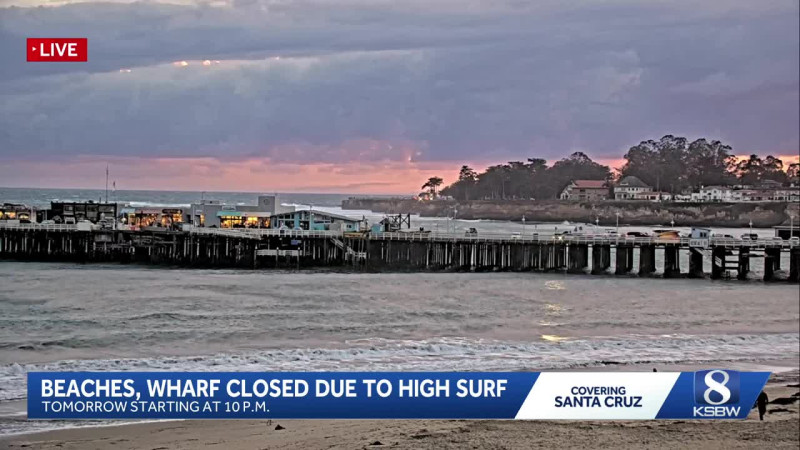
Some of the most iconic piers on the West Coast have been temporarily closed to the public. Massive waves have been crashing onto the shore, often exceeding the height of the piers themselves. The closure of these beloved landmarks has left locals and tourists alike in despair, as they are unable to enjoy the scenic views and activities that these piers typically offer. "The closing of these piers is a significant blow to the local economy, which relies heavily on tourism," said a local business owner. "We are hoping the weather improves soon so that we can reopen and welcome visitors back to our beloved piers."
The flooding in Santa Cruz County has been particularly devastating, with entire neighborhoods submerged and local authorities scrambling to manage the crisis. The situation has been exacerbated by the unpredictability of the weather, with sudden shifts in wind and tide causing even more turmoil. "We've been experiencing exceptional weather patterns, which have led to unprecedented high surf conditions," said a local meteorologist. "The waves are not just high; they are also powerful, causing significant damage along the coastline."
The high surf warning has turned the entirety of the Central Coast into a zone of chaos. Lifeguards and emergency personnel are working tirelessly to ensure the safety of residents and visitors. However, with the waves showing no signs of abating, the situation remains critical. Local authorities have urged everyone to stay indoors and avoid venturing near the coastline, as the risk of being swept away by a rogue wave remains high.
Living with the Unpredictable: California's Coastal Resilience
Perhaps think again, the high surf warning is just a prelude to the greater challenges California will face in the coming years. Climate change is exacerbating the intensity and frequency of such weather events, posing a significant threat to the state's coastal communities. As the sea levels rise and storms become more severe, the resilience of these communities will be tested like never before. The recent flooding and high surf conditions serve as a stark reminder of the urgent need to strengthen infrastructure and develop comprehensive disaster management plans. The situation has sparked conversations about the need for more robust coastal protection measures and better preparedness for future weather-related disasters.
“The waves are not just high; they are also powerful, causing significant damage along the coastline.”
In recent times, the California coast has been pummeled by monumental waves as high as 20 feet, inundating beaches, flooding streets, and forcing the closure of iconic piers. The National Weather Service has issued urgent high surf and flood warnings for San Luis Obispo and Santa Barbara counties, with forecasters warning of massive breaking waves and severe flooding.
The situation has sparked conversations about the need for more robust coastal protection measures and better preparedness for future weather-related disasters. The recent flooding and high surf conditions serve as a stark reminder of the urgent need to strengthen infrastructure and develop comprehensive disaster management plans. Perhaps the most striking parallel to this current situation is the Great Flood of 1938, which devastated the East Coast and left a lasting impact on the region's infrastructure and resilience. As California braces for more storms and higher tides, it is clear that the state must learn from the past and adapt to the changing climate, or risk being swept away by the relentless power of the sea.
How does this story make you feel?
 Up next · WorldMiguel Ángel Félix Gallardo: The End of a Criminal Dynasty