Fauci invokes Fifth Amendment 111 times in Senate hearing
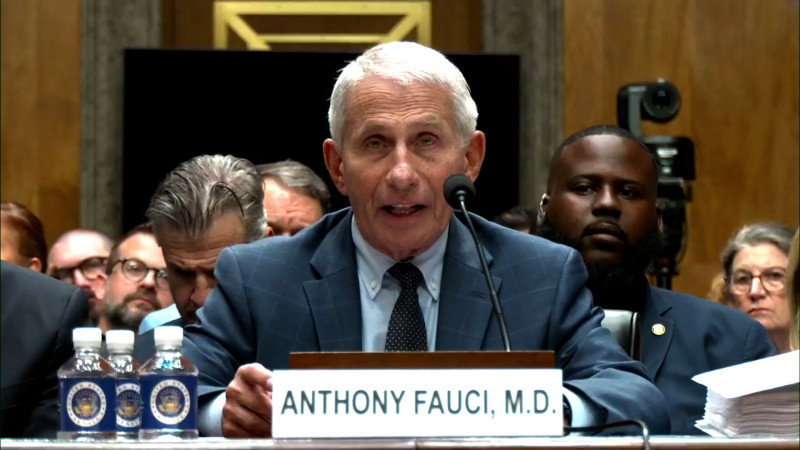
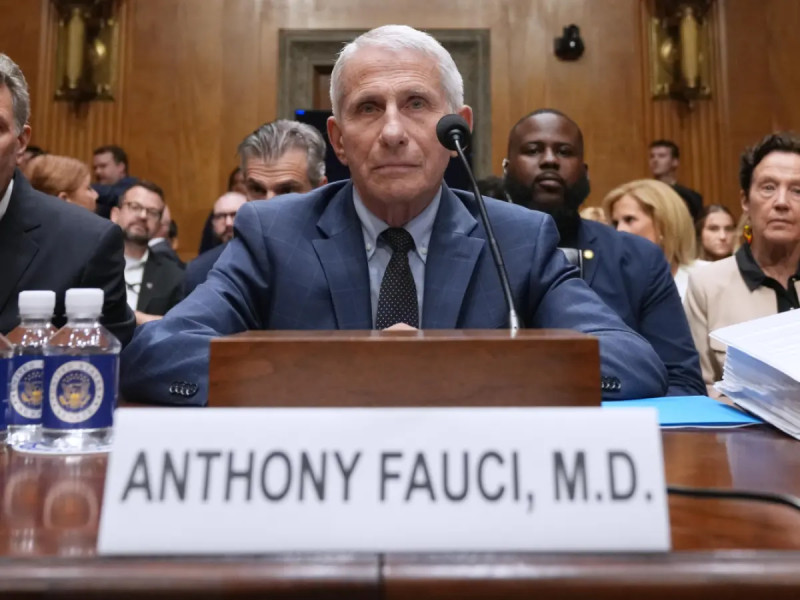
Dr. Anthony Fauci refused to answer questions from Sen. Rand Paul and other lawmakers by invoking the Fifth Amendment 111 times during a contentious July 29, 2026, Senate hearing.
Key points
- Dr. Anthony Fauci invoked the Fifth Amendment 111 times during a Senate hearing on July 29, 2026.
- Sen. Rand Paul (R-KY) chaired the hearing and accused Fauci of using the amendment to avoid accountability.
- Republican senators, including Bernie Moreno and Josh Hawley, threatened to hold Fauci in contempt of Congress.
- Critics allege the hearing targets Fauci's role in gain-of-function research and pandemic decisions.
- Supporters argue invoking the Fifth Amendment is a legal right that does not imply guilt.
In a contentious Senate hearing, Dr. Anthony Fauci invoked the Fifth Amendment over a hundred times, refusing to answer questions posed by Rand Paul and other senators. The hearing, held on July 29, 2026, was a culmination of long-standing tensions between the former top infectious disease expert and certain Republican lawmakers, who have long accused Fauci of missteps in handling the COVID-19 pandemic.
Fauci's Fifth Amendment Defense: A Strategic Move or Legal Shield?
Throughout the hearing, Dr. Fauci repeatedly invoked his right to avoid self-incrimination, invoking the Fifth Amendment 111 times. This move has sparked a fierce debate over the ethical and legal implications of his actions. Sen. Rand Paul (R-KY), who chaired the hearing, and other Republicans have accused Fauci of using the Fifth Amendment as a shield to avoid accountability for his decisions. Paul even claimed that Fauci's invocation of the Fifth Amendment was driven by his "unhinged obsession" with the senator, alleging that the sole reason for Fauci's subpoena was to see him testify.
Critics argue that Fauci's invocation of the Fifth Amendment is an evasion tactic, intended to sidestep tough questions about his role in gain-of-function research and the origins of COVID-19. However, Fauci's supporters contend that his use of the Fifth Amendment is a legal right and not a sign of guilt. They point out that invoking the Fifth Amendment is a common practice in contentious hearings and does not necessarily imply wrongdoing.
"The Fifth Amendment is not a shield for corruption or incompetence," says Harvey Levin, a legal analyst. "It's a protection for citizens against self-incrimination. Fauci's invocation of it raises serious questions about his confidence in his own actions".
The GOP's Contempt Threat: Political Theater or Legitimate Concern?
Sen. Paul and other Republicans have threatened to hold Dr. Fauci in contempt of Congress for his refusal to answer questions. This move is seen by some as political theater, a way to score points with constituents by attacking a high-profile figure in the Democratic administration. Sen. Bernie Moreno (R-OH) and Sen. Josh Hawley (R-MO) have also been vocal in their criticisms of Fauci, accusing him of misinforming the public and mismanaging the pandemic response.
However, the threat of contempt is not just political posturing. If the Senate votes to hold Fauci in contempt, it could set a precedent for future hearings and impact the balance of power between executive and legislative branches. The threat is a clear sign that Republicans are willing to go to great lengths to hold Fauci accountable, even if it means escalating the conflict.
The data is damning: Fauci has been a lightning rod for controversy, and his decisions during the pandemic have been scrutinized from all angles. Yet, let's not kid ourselves, the political motivations behind the hearings and the contempt threat are as apparent as they are divisive. The hearings are as much about political point-scoring as they are about accountability, and the public deserves a more balanced approach.
Why Is Fauci Being Questioned? Unraveling the Web of Allegations
Dr. Fauci has faced a barrage of allegations, including his role in gain-of-function research, his handling of the pandemic, and his involvement in various government policies. These allegations have been a central theme in the hearings, with senators accusing Fauci of missteps and cover-ups. David Schertl, a political analyst, suggests that the hearings are part of a broader effort to hold public officials accountable for their actions during the pandemic.
“The hearings are a critical step in understanding the decisions made during the pandemic. They provide a platform for accountability and transparency, which are essential for rebuilding public trust in our institutions”.
Fauci's testimony and the hearings that followed have raised critical questions about the role of government officials in shaping public policy and the impact of their decisions on public health. As the debate continues, one thing remains clear: the public deserves transparency and accountability from those in power. The question remains: will the ongoing scrutiny of Dr. Fauci and his handling of the COVID-19 pandemic lead to meaningful reform, or will it further entrench the political divide? Only time will tell.
Your questions, answered
How many times did Fauci invoke the Fifth Amendment?
Dr. Anthony Fauci invoked the Fifth Amendment 111 times during the Senate hearing.
Who chaired the Senate hearing with Fauci?
Sen. Rand Paul (R-KY) chaired the hearing.
What threat did Republicans make regarding Fauci?
Sen. Paul and other Republicans threatened to hold Dr. Fauci in contempt of Congress for refusing to answer questions.
Quick poll
Is invoking the Fifth Amendment in a Senate hearing a valid legal defense or an evasion tactic?
0 votes
How does this story make you feel?
Topics
 Up next · PoliticsSenator Katie Britt: A Rising Star in U.S. Politics