National Weather Service Radar Outage: Storm Tracking in Chaos
The National Weather Service (NWS) radar network is currently experiencing a widespread outage, leaving meteorologists and emergency responders scrambling for alternative data. As storms and severe weather conditions sweep across the country, the outage has sparked urgent calls for solutions in an era where timely and accurate weather forecasting is more crucial than ever.
The Extent of the National Weather Service Radar Outage
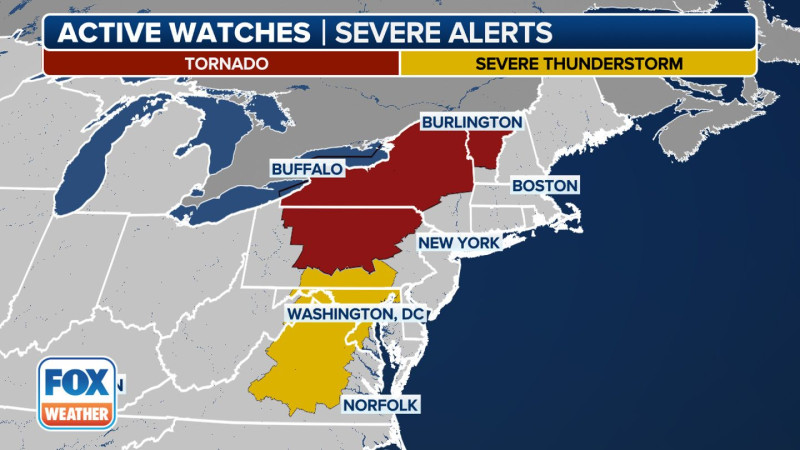
According to multiple reports, the NWS radar outage has affected a significant portion of the country, including critical regions prone to severe weather. The outage, which includes both the NWS's NEXRAD radar network and some local weather stations, has left vast areas without the crucial radar data needed to track storms, predict severe weather, and issue timely warnings to the public. The outage amounts to an unsettling pause in a system we've come to rely on.
This failure hits close to home for those who depend on the National Weather Service for safety and daily planning. The NWS’s radar network is the backbone of weather forecasting, providing essential data for predicting everything from thunderstorms to hurricanes. The outage, which is impacting both government and private weather services, has disrupted the critical flow of information that keeps communities safe and informed.
Impact on Communities and Emergency Services
In the wake of the National Weather Service outage, emergency services across the nation are grappling with the challenges of operating without real-time radar data. First responders, already stretched thin, are now navigating through a fog of uncertainty as they attempt to provide life-saving assistance during severe weather events. Communities are left vulnerable, relying on outdated methods and alternative data sources that simply cannot match the accuracy and immediacy of the NWS radar system. Think again, it's not the 1980s anymore—this is a 21st-century emergency.
The absence of the NWS radar data has also led to significant disruptions in daily life. Schools, airports, and public transportation systems are struggling to operate safely and effectively, with many canceling or delaying services until the outage is resolved. The impacts of the radar outage extend far beyond meteorological concerns, touching nearly every aspect of modern life.
The Path to Recovery and Future Preparedness
As of now, the NWS and other agencies are working tirelessly to restore the radar network. The NWS has stated that the root cause of the outage is still under investigation, but preliminary reports suggest a combination of technical glitches and potential cybersecurity issues. The agency has called for increased vigilance and preparedness, urging the public to stay tuned to alternative weather sources and local emergency alerts. The extent to which the outage has affected the NWS's ability to predict and warn of severe weather remains a pressing concern. Nobody saw this coming.
The NWS outage serves as a stark reminder of the critical role that reliable weather data plays in our daily lives. As the country grapples with the current disruptions, there is a growing call for improved infrastructure and enhanced security measures to prevent such failures in the future. While the NWS works to restore its radar system, communities and emergency services are left to rely on their resilience and ingenuity to navigate the storm.
In the meantime, experts are urging the public to stay informed and vigilant. “The absence of NWS radar data is a significant setback, but it is not the end of the world, the importance of timely and accurate weather information cannot be overstated.” said a meteorologist from a prominent weather service. “We must remain alert and prepared, relying on all available resources to stay safe during these challenging times.”
Why hasn’t the world’s most advanced nation been better prepared for such an integral piece of infrastructure to fail?
How does this story make you feel?
 Up next · ScienceStarship Flight 15: A Leap Toward Reusable Spaceflight