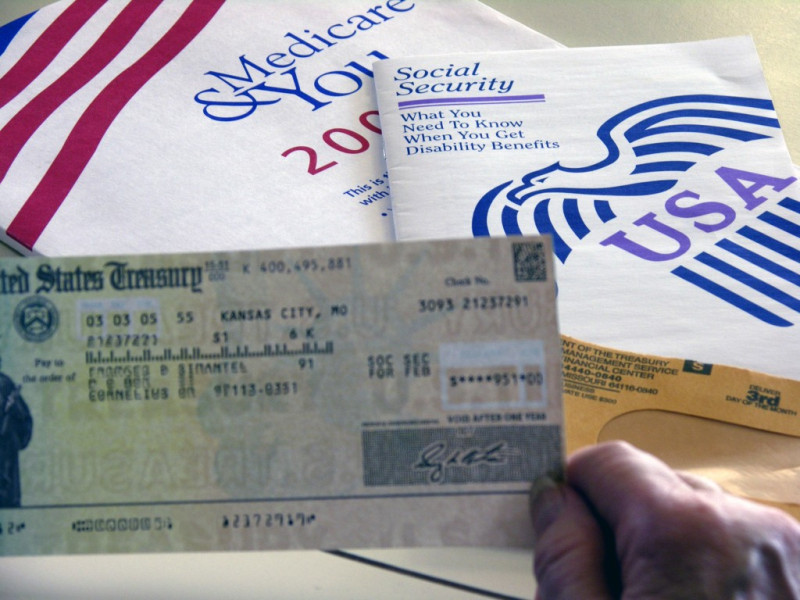
Medicare Part D Subsidies: A Sunset Announced
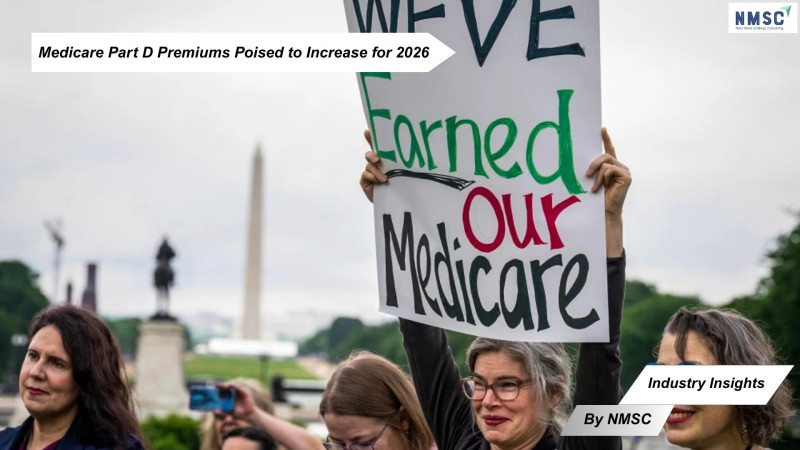
The world of Medicare is in a state of flux, as the Medicare Part D subsidy program, a lifeline for millions of seniors, stands on the precipice of extinction. This federal initiative, designed to keep prescription drug plan premiums lower and more stable, is poised to end as the calendar flips to 2027.
Understanding the End of the Medicare Part D Subsidy Program
The Medicare Part D subsidy program, also known as the Part D Premium Stabilization Demonstration, was a temporary program launched in 2025. Its objective was to stabilize premiums for prescription drug plans, thereby providing financial relief to millions of beneficiaries. However, the Centers for Medicare & Medicaid Services (CMS) announced this program is no longer necessary,.
The Impact on Beneficiaries: What to Expect
For many Americans, Medicare is a lifeline, and the end of this subsidy program will have tangible effects. With the Medicare Part D subsidy program ending, the financial burden of prescription drug costs will likely shift back to beneficiaries. Insurers, now freed from government subsidies, may raise premiums to compensate for the loss of federal support which could lead to higher out-of-pocket costs for seniors,,. This change is set to affect millions of beneficiaries nationwide, potentially altering the financial landscape for those relying on Medicare Part D for their prescription needs.
The Political and Administrative Context
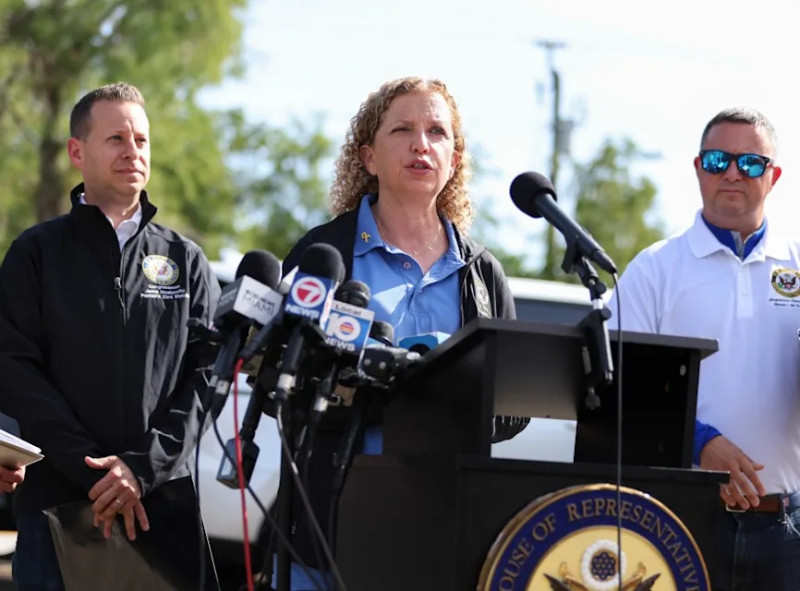
The decision to end this subsidy program was announced by the Trump administration, which cited the program's primary beneficiaries as insurance companies rather than enrollees. According to the administration, the market has evolved, and insurers are now capable of maintaining stable premiums without federal intervention. Critics, however, argue that this move will disproportionately affect seniors, who may struggle with the increased financial burden.
The decision to end this subsidy program is a double-edged sword. While it may signal confidence in the market's ability to regulate itself, it also raises concerns about the financial well-being of seniors who depend on these subsidies for affordable healthcare.
The future is uncertain. However, the impact of this decision will ripple through the healthcare system, shaping the landscape for years to come. Beneficiaries will bear the brunt of this change, and the healthcare industry will adapt to a new normal. What remains certain is that the end of the Medicare Part D subsidy program will forever alter the healthcare landscape for millions of Americans.
How does this story make you feel?
 Up next · HealthAriana Grande's Journey: Focusing on Health and Taking a Break from the Spotlight