AstraZeneca Stock Drops as Heart Drug Trial Misses Mark
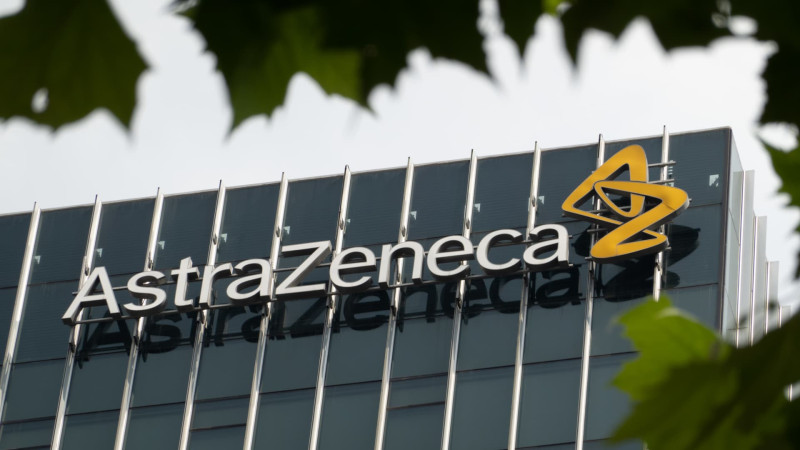
AstraZeneca PLC (AZN) shares plummeted as much as 9% on August 2, 2026, after a late-stage clinical trial for its heart disease drug failed to meet its primary endpoint. Analysts are now raising questions about investor trust in the company's ability to deliver on its high-stakes drug trials and partnerships. The stock decline was swift and severe, with the slide reported across various financial news platforms.
AstraZeneca's Clinical Trial Failure and Market Reaction
The disappointing results from the heart disease drug trial have cast a shadow over AstraZeneca's pipeline. A spokesperson told reporters that the trial did not show a statistically significant improvement in the primary endpoint, which involved reducing major adverse cardiovascular events. This is a significant setback for a company that has been heavily investing in cardiovascular research.
The market's immediate response was a 9% drop in AZN stock, underscoring the high stakes involved in clinical trials. Investors quickly moved to offload their shares, leading to a rapid decline in the stock price on major exchanges, including the London Stock Exchange and New York Stock Exchange.
Investor Trust and Future Prospects
This is not the first time AstraZeneca has faced challenges. Earlier this year, the company faced similar issues with a diabetes drug, which also failed to meet its primary endpoint. This pattern of missed clinical trials has led analysts to question the reliability of AstraZeneca's pipeline and its ability to deliver on its ambitious drug development plans.
Bloomberg recently reported that this latest setback is part of a broader trend of underperformance in the pharmaceutical sector.
“AstraZeneca has been aggressive in its drug development, but these failures are a red flag, especially for investors who rely on the company's pipeline for long-term growth.”said an analyst.
AstraZeneca's Reliance on Partnerships and the Role of Bristol-Myers Squibb
Despite the setbacks, AstraZeneca’s partnership with Bristol Myers Squibb (BMY) remains a strategic asset. The collaboration, which focuses on developing innovative cancer treatments, has shown promise, with several drugs in late-stage trials. The partnership is seen as a lifeline for AstraZeneca, potentially compensating for the losses incurred from recent clinical trial failures.
The collaboration has been a focal point for AstraZeneca, with many of their recent press releases highlighting the progress and potential of the joint ventures. However, the recent trial failure has cast some uncertainty over the future of these partnerships, as investors and analysts alike consider the implications of the clinical trial misses.
Will investors continue to trust AstraZeneca's pipeline despite these setbacks, or will the heart drug trial miss signal a broader issue with the company's drug development process? The next few months will be crucial as AstraZeneca works to regain investor confidence. The stock price is already showing signs of recovery, but the market's reaction to future trials will be closely watched. August 2026 marks a pivotal moment for AstraZeneca, with the company's future direction largely dependent on its ability to deliver on its clinical trials and partnerships.
AstraZeneca’s struggles echo the challenges faced by other pharmaceutical giants, such as Pfizer and Merck, during the mid-2000s when they also faced a series of high-profile clinical trial failures. Back then, the market was unforgiving, and it took years for these companies to rebuild their reputations. As AstraZeneca navigates this uncertain period, the parallels with past industry crises serve as a stark reminder of the high stakes involved in pharmaceutical research and development. Will AstraZeneca rise to the challenge, or will it fall victim to the same pitfalls that have plagued its competitors in the past?
How does this story make you feel?
 Up next · BusinessAmazon Stock Holds Firm Despite Market Volatility