Michigan Senate Race: The Battle for the Primary

The fluorescent glare of the briefing room was intense as the latest polls flashed on the screen. In the hum of phones buzzing in pockets, the phrase "Michigan primary" hung in the air. With Michigan voters heading to the polls, the stakes couldn’t be higher. The race between Haley Stevens and Abdul El-Sayed is more than just a contest for the Senate seat; it’s a referendum on the future direction of the Democratic Party.
The Battle Lines: Stevens vs. El-Sayed
Michigan voters face a stark choice. Is it the moderate, pragmatic approach of Haley Stevens, or the progressive, more liberal vision of Abdul El-Sayed? The two candidates have been locked in a heated battle, each representing a different wing of the Democratic Party.
Haley Stevens, a moderate congresswoman, is known for her bipartisan approach, emphasizing pragmatism and coalition-building. — This is a classic case of 'can you trust her to get things done?' — Said a political analyst. Stevens believes in bridging the divide, working across the aisle to deliver results for Michigan.
Abdul El-Sayed, on the other hand, is a progressive who has championed issues like universal healthcare and education reform. His rhetoric is more focused on transformative change, challenging the status quo and pushing for a more progressive agenda.
The Numbers Game: Polls and Predictions
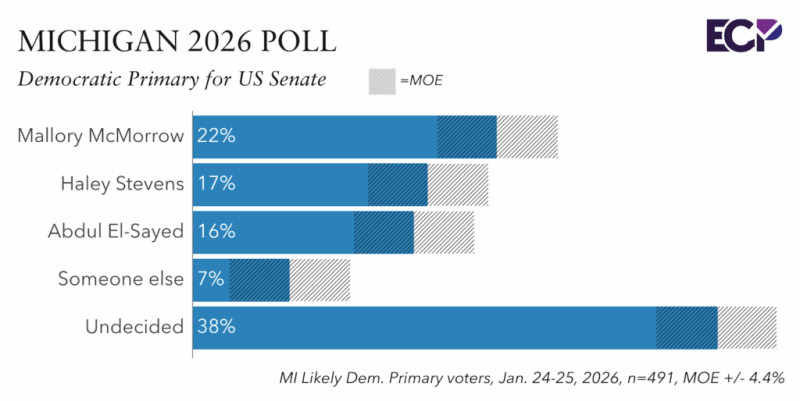
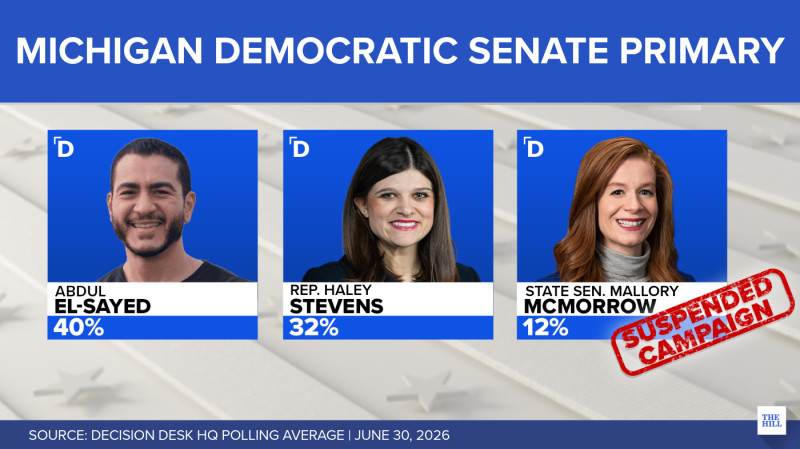
In the lead-up to the primary, polls have swung dramatically. Recently, a poll showed Abdul El-Sayed with a 15-point lead, a stark turnaround from earlier polls that had Stevens in the lead. This shift underscores the volatility of the race and the high stakes involved.
Despite the ebb and flow of the polls, both candidates have been engaged in a fierce battle, each vying for the support of Michigan voters. The race is not just about the candidates' ideologies but also about the future direction of the Democratic Party.
"This is more than just a Senate race; it’s a battle over the soul of the Democratic Party. The outcome will shape not only Michigan's representation in the Senate but also the broader narrative of the party’s direction," said an expert on the state’s political landscape.
The Policy Showdown: Key Issues in the Race
The candidates have clashed on several key issues, including healthcare, education, and economic policy. Stevens has emphasized her record of bipartisan achievements, pointing to her work on the House Armed Services Committee and her role in securing federal funding for Michigan projects.
El-Sayed, meanwhile, has focused on his progressive agenda, advocating for universal healthcare and education reform. He has been vocal about his support for the Green New Deal and his opposition to corporate interests in politics.
Corporate and pro-Israel campaign money, Middle East policy, and immigration enforcement have all been hot topics in the debate. The candidates' stances on these issues reflect their broader visions for the future.
The recent debates have highlighted the stark contrasts between the two candidates. Stevens has been criticized for her willingness to accept corporate donations, while El-Sayed has been praised for his grassroots approach, relying heavily on small donations and community support.
The Michigan Senate race is a pivotal moment for the Democratic Party, testing its resolve in the face of internal divisions and external challenges. The outcome will not only determine who represents Michigan in the Senate but also set the tone for the broader national conversation within the Democratic Party.
The Michigan primary is a microcosm of the broader struggles within the Democratic Party. As voters go to the polls, the outcome will reflect more than just a choice between two candidates; it will be a referendum on the party’s identity and future direction—with the potential to reshape the political landscape as dramatically as the last major shakeup in Michigan politics.
How does this story make you feel?
 Up next · PoliticsMax Miller Video: Unraveling Controversy in Ohio Politics