Northern Taurid Fireballs Illuminate Skies in Recent Show
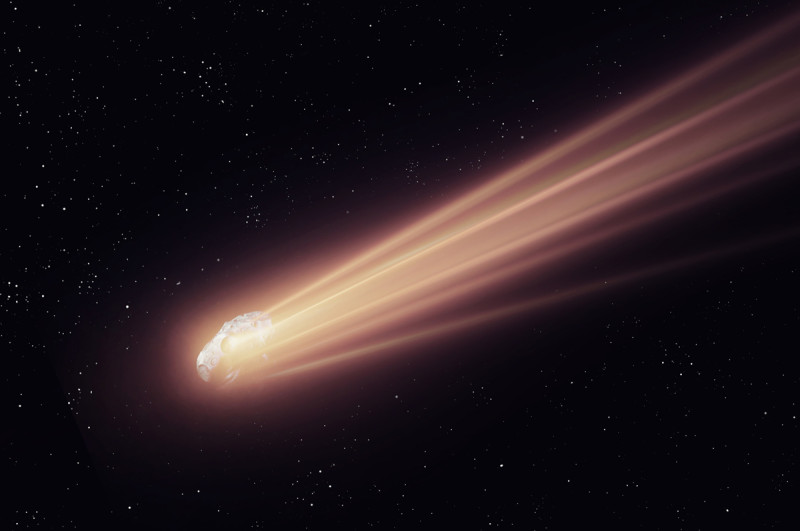
Stargazers across the globe are in for a treat as the Northern Taurid meteor shower puts on a spectacular display of bright fireballs, with recent sightings causing excitement in the astronomical community.
Northern Taurids Put On a Show Under the Dark Skies
Recent sightings of the Northern Taurid meteor shower have been particularly impressive, with a waxing crescent moon providing optimal conditions for viewing. The absence of a bright moon has made the astronomical event more visible, allowing for stunning views of fireballs streaking across the night sky.
The Northern Taurids are known for their slow-moving meteors, which can create vivid and long-lasting fireballs. This meteor shower often produces around five meteors per hour, but these slower meteors can be particularly brilliant when they enter Earth's atmosphere. The Northern Taurid meteor shower peaks under a nearly new moon, making fireballs easier to see.
To catch a glimpse of the Northern Taurids, sky watchers have been advised to look towards the constellation Taurus, the bull. The best time to view the shower is typically after midnight, when the radiant point is highest in the sky.
EarthSky, a trusted source for all things astronomical, suggests that the Northern Taurid meteor shower is a great opportunity for both novice and experienced stargazers to observe the beauty of the night sky. The meteor shower is caused by debris from Comet Encke, which leaves behind a trail of particles that Earth passes through annually.
Recent reports indicate that the viewing conditions have been particularly favorable in North America, Europe, Asia, Africa, and Australia, where the Northern Taurid meteor shower has been visible across vast swaths of the night sky.
What to Expect from the Northern Taurid Meteor Shower
The Northern Taurid meteor shower is known for its slow-moving fireballs, which can be seen with the naked eye. These fireballs are often more brilliant and long-lasting than those seen in other meteor showers due to their slower entry speed. The shower's peak typically lasts a few days, but the best viewing conditions are usually experienced on the peak nights, which have recently been some of the most active.
For those looking to capture the beauty of the Northern Taurids, it is recommended to find a dark location away from city lights. Allowing time for your eyes to adjust to the darkness can significantly enhance the viewing experience. Patience is key, as the meteors can be sporadic but highly rewarding when they appear.
Live maps and tools, such as those provided by the Meteor Tracker, can help stargazers determine the best time and location to watch the Northern Taurids from their specific town or city. These tools offer real-time data on visible meteors, making it easier to plan and enjoy the celestial event.
For enthusiasts of meteor showers, the upcoming Leonids meteor shower is also noteworthy. The Leonids are expected to peak very soon, offering another chance to witness a dazzling display in the night sky.
The Science Behind the Northern Taurids
The Northern Taurids are part of a larger meteor shower known as the Taurids, which includes both the Northern and Southern Taurids. The source of these meteors is believed to be Comet Encke, which leaves behind a trail of debris that Earth encounters annually. The slow-moving meteors produce a spectacular show as they burn up in the Earth's atmosphere.
Unlike some meteor showers that produce quick, fleeting streaks of light, the Northern Taurids are known for their slow, brilliant fireballs. These fireballs can be seen with the naked eye and often leave a glowing trail behind them, adding to the awe-inspiring display.
Emily Lakdawalla, a planetary scientist, explains that the slow entry speed of the Northern Taurids makes them particularly impressive. "The meteors from the Northern Taurids enter the atmosphere at a relatively slow speed, which allows them to create a longer, more vivid display of light,” she explains.
For the next event, be sure to look up at the night sky and witness the Northern Taurid meteor shower in all its glory.
How does this story make you feel?
 Up next · ScienceHistoric Voyage Ends: SS United States Sinks Off Florida Coast