Jetstar's New Overhead Baggage Fee: A Game Changer in Air Travel
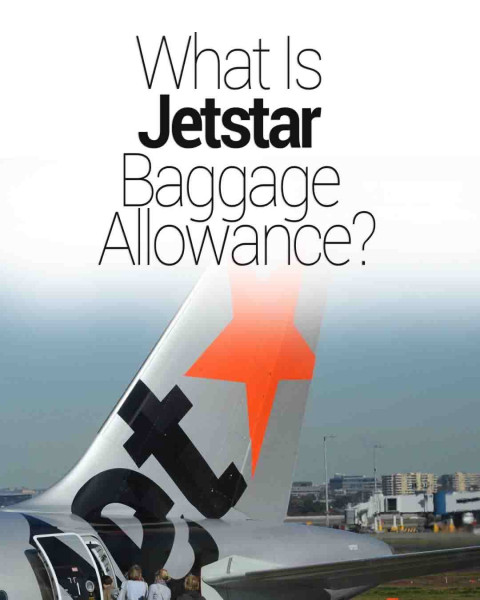
Jetstar, Australia's leading budget airline, has announced a significant change to its carry-on policies that is set to shake up the way passengers travel. Starting in February 2027, Jetstar will charge passengers to stow their carry-on luggage in overhead lockers, marking a major shift in the airline's overhead baggage fee structure. This move not only impacts travel budgets but also raises questions about convenience and airline policies.
Understanding Jetstar's Overhead Baggage Fee
From 2027, passengers flying with Jetstar will face new overhead bin fees. The fee for securing a spot in the overhead compartment will start at a minimum of $18. This change brings Jetstar's carry-on policy in line with several low-cost airlines globally, which already charge for access to overhead locker space. Jetstar's strategy aims to streamline the boarding process by reducing the need to weigh bags and find space in overhead lockers. Passengers will still be allowed one small under-seat bag at no extra cost, but any larger bag intended for the overhead bin may need to become checked luggage and could incur additional charges, up to 40kg per passenger.
Impact on Passengers and the Industry
Jetstar's new overhead compartment cost policy is likely to impact travelers in several ways. Those who frequently travel with carry-on luggage will need to adjust their packing strategies or budget accordingly. The move may also affect the competitive landscape of budget airlines, as other carriers might reconsider their own carry-on policies. Let's not kid ourselves; this is a significant departure from traditional practices, and it's worth considering the long-term implications for passenger satisfaction and airline profitability. The data is damning: other airlines charging for overhead luggage have seen mixed reactions from passengers, but the practice is becoming more common globally. The burning question is, will other airlines follow Jetstar's lead or will they hold the line on free carry-on policies?
Criticism and Counter-Arguments Against Jetstar's New Baggage Policy
While Jetstar's decision to charge for overhead baggage has raised eyebrows, some argue that it could lead to a more efficient and less stressful boarding process. Here’s what nobody’s asking: could this move ultimately benefit passengers by speeding up the boarding process and reducing delays? The counter-argument is that by reducing the number of bags in the overhead bins, Jetstar could potentially save time and avoid the common chaos at the boarding gates.
However, the reality is that this policy shift will undoubtedly add extra costs for travelers, potentially deterring those on tight budgets from choosing Jetstar. Let’s be clear: this fee is not just about convenience; it’s a direct hit to the wallets of budget-conscious travelers. The real question here is whether the benefits of a smoother boarding process outweigh the financial burden on passengers.
One potential solution for passengers worried about the new overhead baggage fee is to book the Priority Carry-on option, which guarantees overhead bin space but is only available on selected flights. However, this option comes at an additional cost, adding another layer to the already complex pricing structure of budget airlines. Ultimately, Jetstar is redefining what it means to travel light, and the coming months will tell if this change is a step forward or a step backward for air travel.
Jetstar's new overhead baggage fee policy is a bold move in the aviation industry, one that could reshape how passengers think about carry-on luggage. As we approach February 2027, the question remains: will this policy enhance the travel experience or simply add another layer of cost and complexity? The future of air travel could be at a crossroads, and Jetstar's decision will undoubtedly play a pivotal role in determining the direction of the industry.
How does this story make you feel?
 Up next · BusinessSalad and Go Shuts Down Arizona Locations Following Bankruptcy