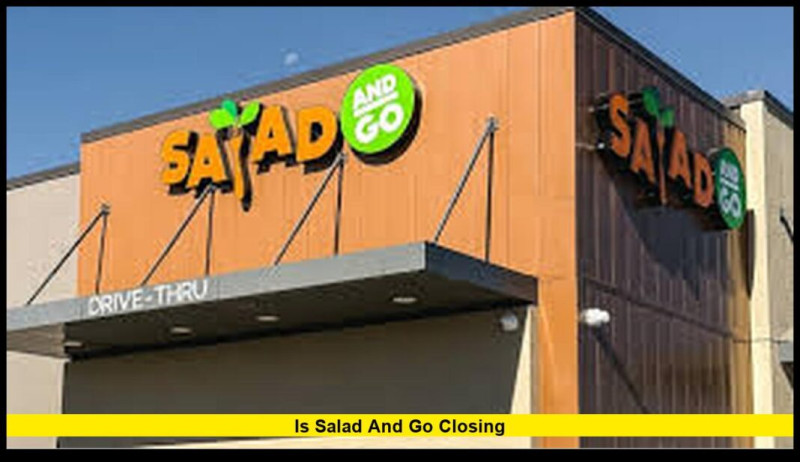
Salad and Go Shuts Down Arizona Locations Following Bankruptcy
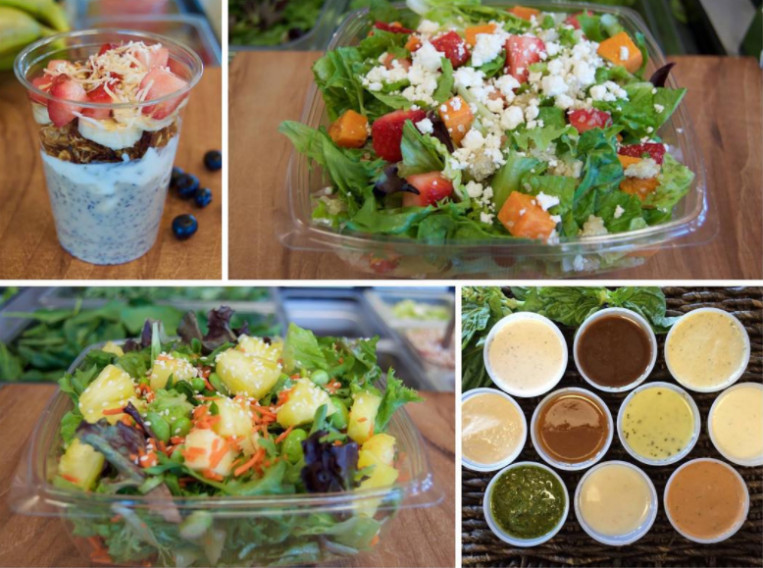
The fluorescent lights flickered off one by one, casting the final Salad and Go locations in Arizona into a somber, eerie silence. After over a decade of serving drive-thru salads, the chain pulled the plug on Wednesday, August 5, 2026, following a Chapter 11 bankruptcy filing.
Company Grapples with Bankruptcy, Cites Multiple Challenges
The bankruptcy was not a sudden collapse but a culmination of struggles that had been brewing for quite some time. Founded in 2013, Salad and Go’s rapid expansion across Arizona and Nevada saw it grow to 70 locations. However, the company faced a cascade of challenges, including weak demand, rising costs, and broader industry concerns. The pandemic exacerbated these issues, making it difficult for the chain to stay afloat.
The final nail in the coffin came in 2025, when the chain began shutting down locations in Texas and Oklahoma, totaling 41 closures to stem the financial bleeding. Despite these desperate measures, the damage was done. The company filed for Chapter 11 bankruptcy and announced the permanent closure of all locations, leaving customers and employees bewildered and disheartened.
The abrupt closure left many questions unanswered, especially for those who had grown accustomed to the convenience of drive-thru salads. “It’s a real shame,” said one long-time customer in Phoenix. “I used to go there all the time for a quick, healthy lunch. I’ll miss it.”
Customers and employees alike were left reeling in the aftermath of the closure. The decision to shut down all locations was made just a day after the bankruptcy filing. Many employees, who had built their livelihoods around the chain, were left scrambling for new jobs.
Arizona Salad Chain’s Rapid Rise and Sudden Fall
The story of Salad and Go in Arizona is a tale of a swift ascent and an equally swift descent. Initially, the chain’s business model was a hit. Customers appreciated the convenience of drive-thru salads, which offered a healthier alternative to fast food. The chain’s popularity soared, especially in urban areas where health-conscious consumers were on the rise.
The chain’s rise was meteoric, with seven locations in Las Vegas alone. However, the company’s growth was not sustainable. The chain’s decision to expand rapidly, coupled with rising operational costs, proved to be its undoing. The pandemic only exacerbated these issues, leading to a domino effect of closures and financial strain.
For many in the industry, the closure of Salad and Go was a stark reminder of the challenges facing the fast-casual sector. The chain’s demise was not just a loss for consumers but also a cautionary tale for other businesses in the industry. “The closure of Salad and Go highlights the precarious state of the fast-casual industry,” said an industry analyst. “Companies need to be more strategic in their expansion and cost management to survive.”
While the closure of Salad and Go is a significant blow to the fast-casual industry, the company’s troubles are a reflection of broader issues. The fast-casual sector has been grappling with increasing competition, rising costs, and shifting consumer preferences. Companies that fail to adapt to these changes risk meeting a similar fate.
Salad and Go: A Pioneer in Drive-Thru Salads
“Salad and Go was a pioneer in the drive-thru salad segment, offering consumers a healthier alternative to traditional fast food,” said a former employee. “The chain’s closure is a loss for the industry and a reminder of the challenges facing the fast-casual sector.”
Salad and Go, known for its drive-thru salad concept, was a pioneer in the segment, offering consumers a healthier, more convenient option to traditional fast food. The chain’s closure marks the end of an era in the fast-casual industry and serves as a reminder of the challenges facing the sector.
Despite its closure, the legacy of Salad and Go will live on in the memories of its loyal customers and the lessons it imparts to the fast-casual industry. The company’s rise and fall highlight the importance of strategic planning and adaptability in a rapidly changing market. As the dust settles on the closure, the industry will be left to ponder what went wrong and how to prevent similar fates in the future.
The abrupt closure of Salad and Go stores in Arizona leaves a void in the fast-casual sector, with consumers wondering where they’ll turn for their next quick, healthy meal.
How does this story make you feel?
 Up next · BusinessNVDA Stock Plummets as AI Market Faces Sudden Downturn