Royce White and Enes Freedom's Unprecedented WNBA Bid

The WNBA finds itself in uncharted waters as former NBA stars Royce White and Enes Kanter Freedom announce their intention to join the 2027 WNBA Draft. This move has sent shockwaves through the sports world, sparking a debate on gender identity, inclusion, and the future of women's athletics.
The Unlikely Candidates: Who Are Royce White and Enes Kanter Freedom?
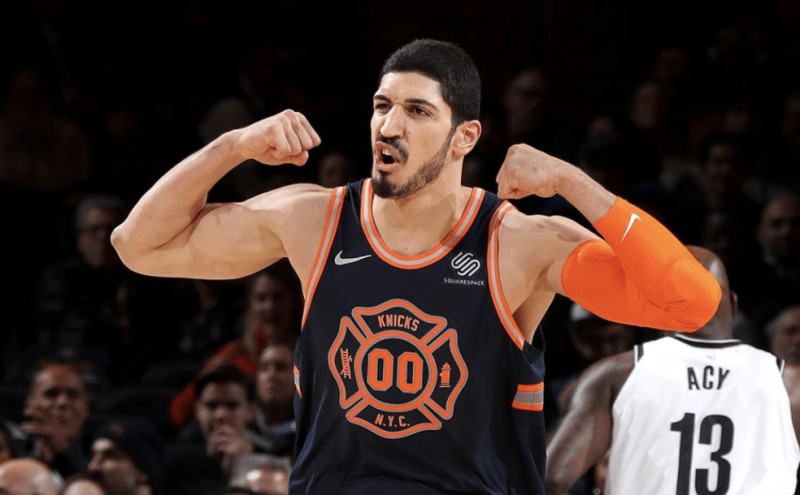
Royce White, a former first-round pick in the 2012 NBA Draft, and Enes Kanter Freedom, known for his outspoken activism and basketball prowess, are the two unlikely candidates who have declared their eligibility for the WNBA. Both players have had notable careers in the NBA, with White being the 16th overall pick by the Houston Rockets and Kanter Freedom, a former Celtics and Knicks player, known for his advocacy for human rights and political issues.
This isn’t the first time that Enes Kanter Freedom has made headlines for his activism and progressive stances. His association with political issues and the various controversies he has been involved in have often overshadowed his basketball skills.
Royce White, on the other hand, has had a turbulent career. He was selected by the Houston Rockets in 2012 but struggled with anxiety and mental health issues, which impacted his performance on the court. His decision to join the WNBA is a bold move that challenges conventional norms of gender and eligibility in professional sports.
The WNBA's Eligibility Rules and the Controversy
The announcement by White and Kanter Freedom has brought the WNBA’s eligibility rules under intense scrutiny. The league’s rules traditionally require players to be eligible based on their gender and other criteria, which these former NBA players are now challenging. This move has ignited a debate over transgender athletes' eligibility in women’s sports, with many questioning the feasibility and fairness of such a shift.
The WNBA has long been a bastion of women’s athleticism, providing a platform for some of the world's top female basketball players. The recent controversy, however, has thrust the league into a complex discussion about identity, inclusion, and fairness.
The decision by White and Kanter Freedom to self-declare their eligibility has raised questions about the integrity and inclusivity of professional sports leagues. Critics argue that allowing former male athletes to compete in women’s leagues could alter the competitive landscape, potentially disadvantaging female athletes.
However, supporters of the move argue that it represents a step towards greater inclusivity and recognition of gender fluidity in sports. This debate is expected to continue as the 2027 WNBA Draft approaches, with both sides presenting compelling arguments for and against the eligibility of transgender athletes.
"The inclusion of transgender athletes in women's sports is a complex issue that requires a nuanced approach. It's about balancing fairness and inclusivity, and finding a way to make sure everyone feels represented and valued." — Sarah Thompson, Sports Analyst.
What Does This Mean for the Future of Women's Sports?
The decision by Royce White and Enes Kanter Freedom to declare for the WNBA Draft could potentially reshape the future of women’s sports. As the debate intensifies, it will be crucial for the WNBA and other leagues to address the complex issues surrounding gender identity and inclusion.
The controversy is poised to have far-reaching implications not just for the WNBA, but for the broader sports community. It raises questions about the role of gender in athletics, the definitions of fairness, and the potential for greater inclusivity in professional sports.
Whether the WNBA will ultimately allow White and Kanter Freedom to compete remains to be seen, but the debate has already sparked a broader conversation about the future of women's athletics. It’s a conversation that will continue to evolve, demanding thoughtful consideration and dialogue from all stakeholders.
As the dust settles on this unprecedented move, the WNBA and the sports world at large will need to grapple with the complexities of inclusion and fairness, and the true impact of Royce White and Enes Kanter Freedom’s bold declaration. If these two former NBA stars enter the WNBA, how will their presence alter the competitive dynamics and public perception of the league?
How does this story make you feel?
 Up next · SportsLas Vegas Aces Face Off Against Minnesota Lynx in Historic Showdown