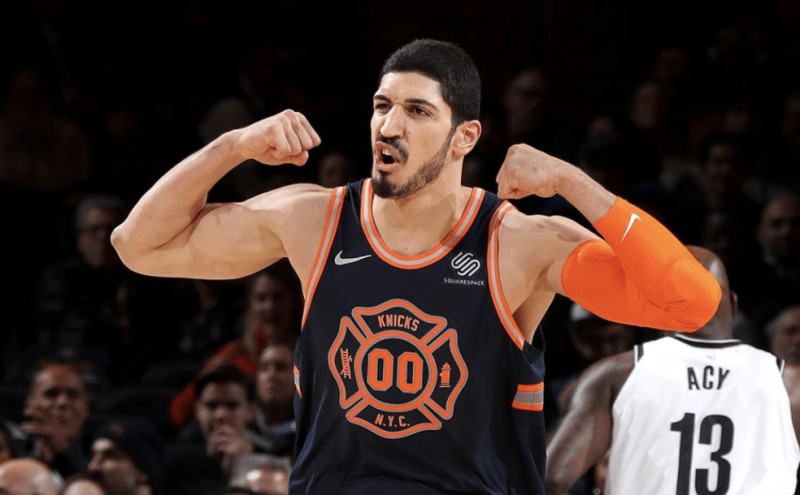
Enes Kanter Freedom Declares for WNBA Draft: A Shocking Move in the World of Sports
In a move that has sent shockwaves through the sports world, Enes Kanter Freedom, the former NBA center, has officially declared his eligibility for the 2027 WNBA draft. Freedom's announcement, which comes amid intense debates over inclusion and eligibility in women's sports, has sparked a flurry of reactions and raised critical questions about the guidelines and policies governing professional sports leagues.
A Bold Declaration and the Reaction
Freedom's declaration is not just a surprise; it's a calculated move that challenges the WNBA's current policies on inclusion and self-identification. The 6-foot-10 former NBA player, known for his human rights activism, announced his decision on social media, citing the league's current eligibility guidelines. The announcement was met with a mix of reactions, ranging from support to skepticism. Riley Gaines, a prominent advocate against men in women's sports, quickly praised the move, highlighting the ongoing debate over gender and sports participation.
Examining the Motivation and Implications
The motivation behind Freedom's declaration is multifaceted. On one hand, it reflects his commitment to pushing the boundaries of inclusion and self-identification in sports. On the other hand, it raises questions about the fairness and integrity of professional sports leagues. Freedom has argued that if self-identification is all that is required, he meets every single requirement necessary to compete in the WNBA. This stance has sparked a debate over whether the WNBA's policies are robust enough to handle such challenges and ensure fairness for all athletes. Some have suggested that Freedom's move could be a strategic play to highlight the flaws in the current system, while others see it as a genuine attempt to compete in a new league.
The Counter-Argument
A counter-argument to Freedom's declaration is that it could potentially distract from the real issues facing women's sports, such as funding and visibility. Some critics argue that allowing male athletes, regardless of their self-identification, could undermine the progress made by women in sports. However, Freedom's supporters contend that his declaration forces a conversation about inclusion and fairness, which is long overdue.
Moreover, the move has raised questions about the WNBA's eligibility criteria and how they are enforced. If Freedom is ultimately allowed to compete, it could set a precedent for future cases and force the league to re-examine its policies. The WNBA has remained relatively silent on the matter, but the debate is far from over.
What is clear is that Enes Kanter Freedom's decision to enter the WNBA draft is a bold move that is shaking up the world of sports. Whether it leads to lasting changes in the league's policies or sparks further debate remains to be seen. However, one thing is certain: Freedom's declaration has put the spotlight on the WNBA and forced a conversation about inclusion, fairness, and the future of professional sports.
How does this story make you feel?
 Up next · SportsXavier Woods Joins Chicago Bears in Strategic Depth Move