Abrupt Removal of Lt. Gen. Charles Costanza: A Surprise Shift in US Army Command
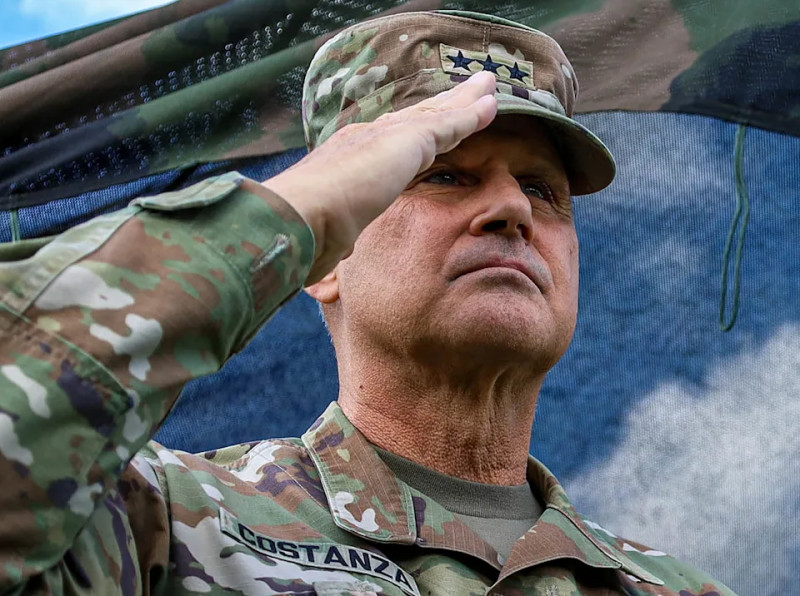
Lt. Gen. Charles Costanza, the commanding general of the US Army's V Corps, was recently and unexpectedly relieved of his command, leaving military analysts and observers stunned. The sudden removal, which occurred with less than two months remaining in his planned tenure, has raised numerous questions about the reasons behind this abrupt decision. According to available reports, the Army has confirmed the removal, but the specifics of the circumstances remain unclear.
The Unforeseen End of a Command Tenure
Lt. Gen. Charles Costanza had been leading the V Corps since April 2024, overseeing critical military operations in Europe from the corps' dual headquarters in Fort Knox, Kentucky, and Camp Kościuszko, Poland. The V Corps is a crucial component of the US military's presence in Europe, playing a vital role in maintaining stability and security along NATO's eastern flank, a region of heightened geopolitical tension.
Speculation and Uncertainty: The Mystery Behind the Removal
The US Army has yet to provide a clear explanation for Costanza's removal, leaving room for extensive speculation. The sudden nature of the decision, coming so close to the end of his tenure, has led to various theories, ranging from personal misconduct to strategic realignments. The lack of transparency has fueled public curiosity and concern, with many wondering about the implications for US military leadership and European security.
“This is a significant move that could signal a broader shift in US military strategy in Europe,” noted a senior defense analyst who wished to remain anonymous. “The timing and manner of the removal are unusual, and it's clear that something more is at play here than meets the eye. It’s essential to understand the context and the reasons behind this decision, as it could have far-reaching consequences for our allies and the overall security apparatus in the region”.
Why would the Army remove a commander so close to the end of his term? Is this a sign of deeper issues within the command structure? Is there a hidden agenda at play? Think again. Nobody saw this coming. One thing is for sure, though: The decision to remove Costanza reflects a dynamic and unpredictable landscape within the US military leadership.
The Ripple Effect: Impact on US Military Operations and Allies
The abrupt removal of Lt. Gen. Charles Costanza is not just a personnel change; it has broader implications for US military operations in Europe. The V Corps is responsible for coordinating and executing a wide range of missions, from training and exercises to contingency operations. The sudden leadership change could disrupt ongoing operations and affect the morale and cohesion of the troops under his command. Moreover, it sends a message to allies about the stability and continuity of US military leadership in the region, which could influence regional security dynamics.
The Pentagon’s move to relieve Costanza of his duties comes at a time when the US is recalibrating its military footprint along NATO’s eastern flank. This recalibration is part of a broader strategy to enhance deterrence and defense against potential threats from Russia and other actors in the region. The removal of such a high-profile commander raises questions about the stability and effectiveness of this strategy, given that the V Corps plays a pivotal role in these efforts.
“This is a significant move that could signal a broader shift in US military strategy in Europe,” noted a senior defense analyst who wished to remain anonymous. “The timing and manner of the removal are unusual, and it's clear that something more is at play here than meets the eye. It’s essential to understand the context and the reasons behind this decision, as it could have far-reaching consequences for our allies and the overall security apparatus in the region”.
The impact of Costanza’s removal on US military operations and allies will become clearer in the coming weeks, as the Pentagon provides more details and the new leadership structure takes shape. But for now, the mystery and uncertainty surrounding the decision continue to cast a shadow over the US Army’s command structure in Europe.
What does this say about the stability of US military command in Europe? And what does it mean for the troops under Costanza's command?
How does this story make you feel?
 Up next · PoliticsICE's Body Camera Rollout: A Step Forward or a Transparency Stumble?