The Ground Shakes in Colombia: Unfolding Story of the Latest Seismic Event

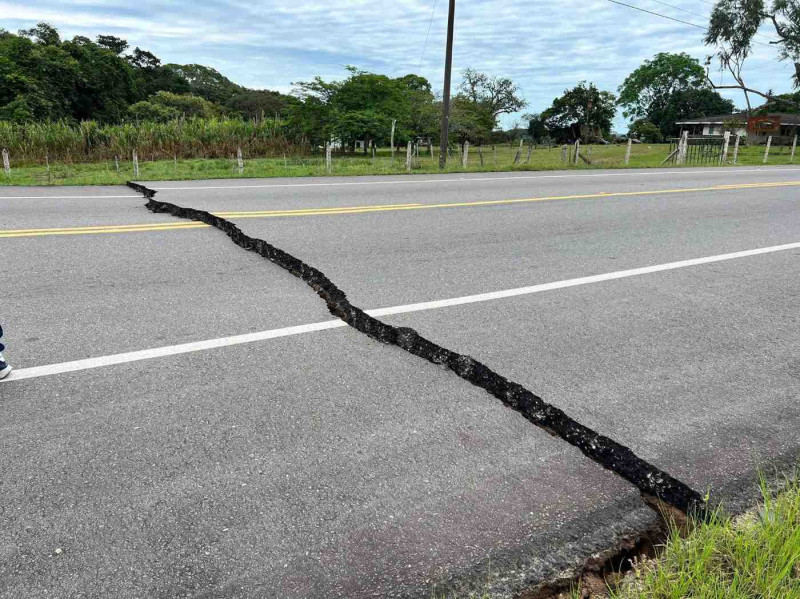
A seismic shock has rattled Colombia, sending tremors through the country and prompting widespread alarm. The tremor, measured at a 7.4 magnitude, has been the talk of the nation, with its epicenter in San Jose del Palmar in the Chocó Department, 20 kilometers from the town. The earthquake was deep, registering at 107 kilometers (66 miles) according to the U.S. Geological Survey (USGS) and 96 kilometers (60 miles) by the Colombian Geological Survey.
The Impact of the Colombian Earthquake in Bogota and Beyond
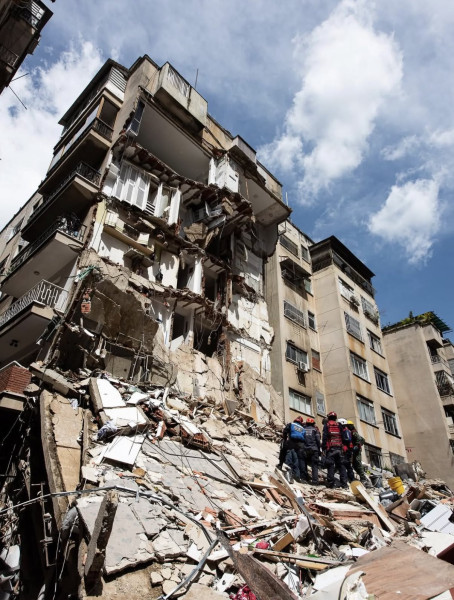
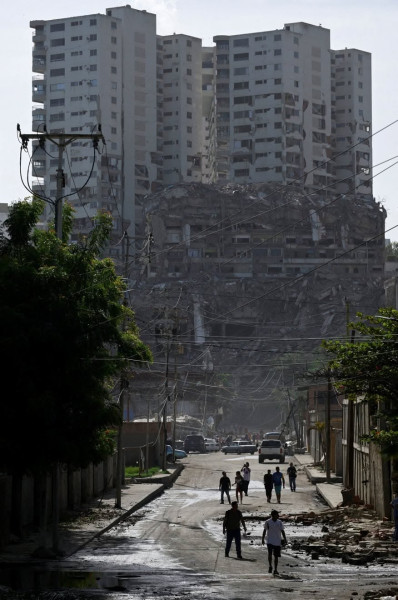
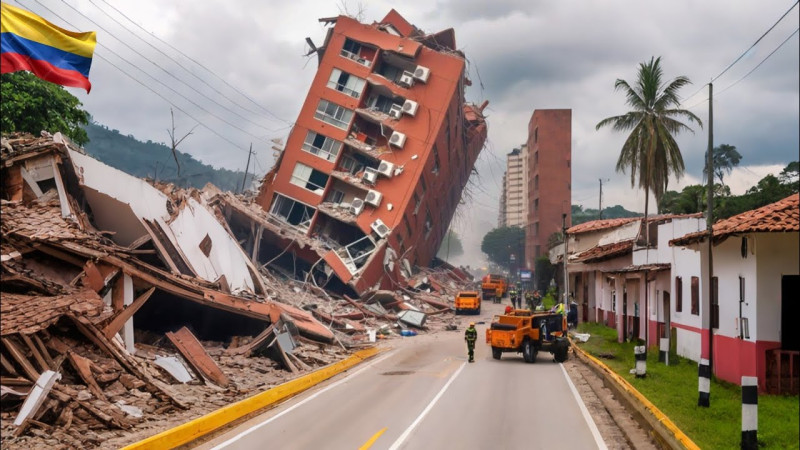
The earthquake struck early in the day, with the USGS recording the event at 7:34 a.m. Colombia time. The tremors were felt not just in the immediate vicinity but also in the capital, Bogotá, causing significant damage and prompting widespread evacuations. Bogotá, home to over 7 million people, was shaken by the seismic activity, adding to the sense of urgency and fear. The quake also reverberated across the border into neighboring Ecuador, affecting residents in that country as well.
Here's the thing: the seismic activity in Colombia is not entirely unexpected. The country sits in a region known for its geologic instability, where the Nazca and South American tectonic plates converge. This tectonic activity, known as a strike-slip faulting, is a common cause of earthquakes in the region.
Multiple sources have reported the depths and magnitudes of the quake, but the consensus is clear: this was a significant event. The impact was felt across several cities, including Medellín and Cali, prompting evacuations and heightening fears of aftershocks.
CNN reports the USGS's confirmation of the 7.4 magnitude, and the Colombian Geological Survey's corroboration adds credibility to the severity of the situation. The epicenter, located in the western part of the country, has historical significance, with the region being no stranger to seismic activity.
The human impact of the Quake in Colombia
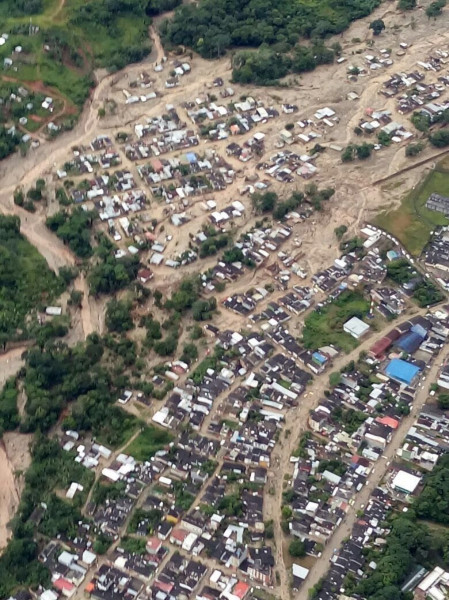
With multiple casualties reported and major damage in several areas, the human impact of the earthquake is significant. The evacuations and the resulting disruptions have left many in a state of uncertainty and fear, as they grapple with the aftermath of the seismic event.
Sound familiar? This isn't the first time Colombia has faced such a crisis. The country's geologic instability means that earthquakes are a recurring threat. The recent event, however, stands out due to its magnitude and the extent of the damage. The situation is still developing, but the initial reports paint a picture of a nation on edge, dealing with the immediate aftermath of a powerful earthquake.
While the focus is on the immediate impact, the long-term effects of the earthquake, including potential aftershocks and the rebuilding efforts, will be closely monitored. The resilience of the Colombian people, however, is a testament to their ability to face such challenges with determination and unity.
The earthquake measured 7.4 on the moment magnitude scale and struck at a depth of 107 km (66 mi) according to the United States Geological Survey.
The latest earthquake in Colombia serves as a stark reminder of the country's vulnerability to seismic activity. As authorities and residents assess the damage and work towards recovery, the focus remains on ensuring the safety and well-being of those affected. The situation is a test of Colombia's preparedness and resilience, as the nation faces the challenges posed by this significant natural event.
How does this story make you feel?
 Up next · ScienceColombian Earthquake: A Surprise and a Scare