Devastation and Uncertainty: A 7.4 Magnitude Earthquake Rocks Colombia
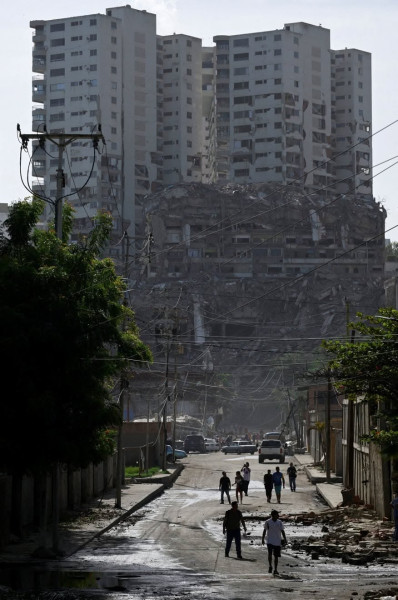
On a recent morning, a powerful earthquake with a magnitude of 7.4 struck western Colombia, sending shockwaves through the country and leaving residents in a state of alarm and confusion. The epicenter was pinpointed in San José del Palmar, Chocó, with a depth of 96 kilometers. The tremors were felt strongly in major cities across the country, including Bogotá, Cali, and Medellín.
The Impact: Cities Shaken, Lives Disrupted
In the heart of Bogotá, the earthquake's impact was immediate and widely felt. "The ground shook violently, and I thought the building was going to collapse," said María López, a resident of the city. The intensity of the earthquake was such that it disrupted daily life, causing buildings to sway and panic among the populace. Schools and offices were evacuated, and emergency services were quickly deployed to assess the damage.
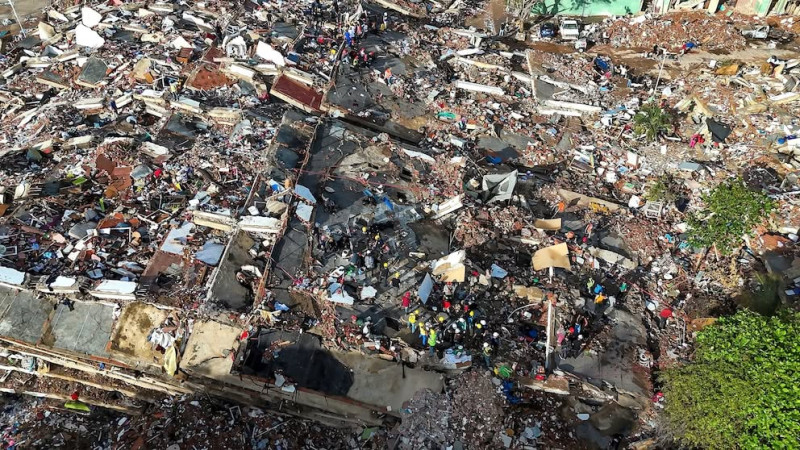
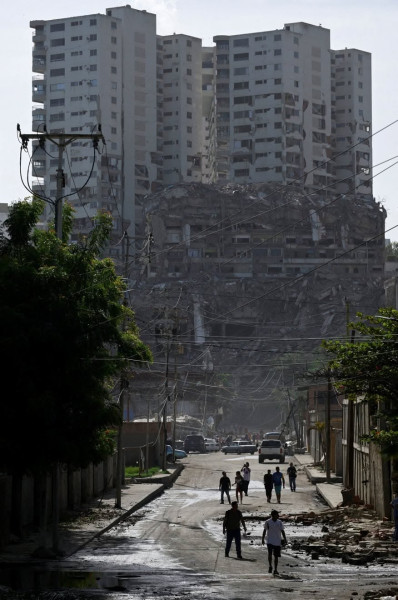
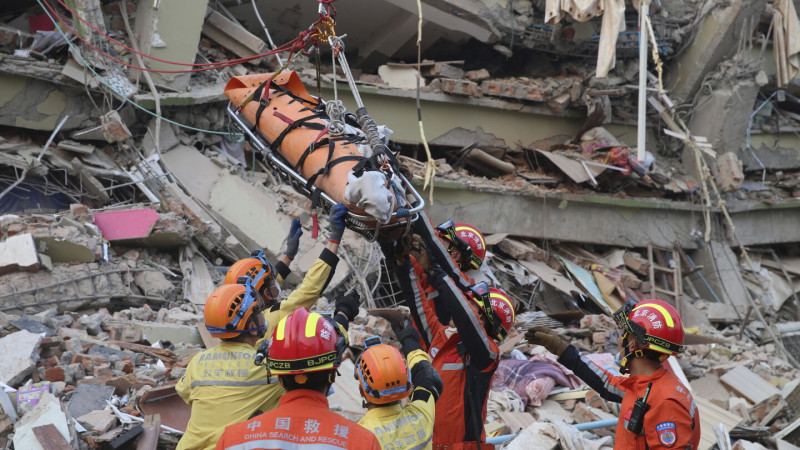
The city of Cali, known for its vibrant culture and bustling streets, was also significantly affected. "We heard a loud rumble, and then the ground started shaking," reported Carlos Gómez, a local businessman. "Everyone rushed out of their homes and offices, fearing the worst. The streets were filled with people looking for safety." The quake caused several buildings to crumble, trapping individuals under the rubble and forcing emergency services to work tirelessly to rescue those in danger.
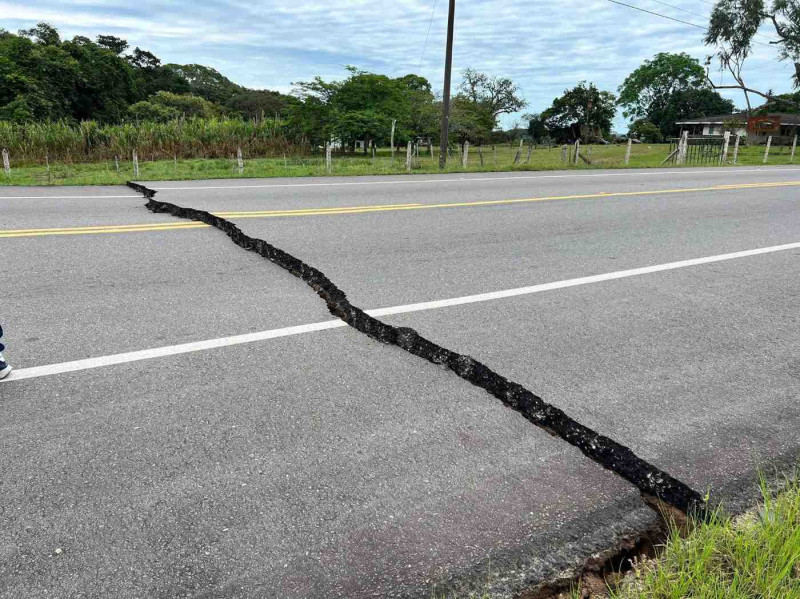
Medellín, a city known for its resilience, also felt the tremors, with residents reporting that the shaking was intense and prolonged. "I was in my apartment when the quake hit. The walls shook, and I could hear objects falling in the rooms around me. It felt like it lasted forever," said Alejandra Ramirez, a university student. Several historical buildings were damaged, and the city’s infrastructure, including roads and bridges, sustained significant damage, causing traffic disruptions and accessibility issues.
Cities in Emergency Mode
As the earthquake's aftermath unfolded, cities across Colombia mobilized their emergency services to respond to the crisis. In Quibdó, the capital of the Chocó department, several people were injured, and buildings were severely damaged. Rescue teams worked tirelessly to find survivors and provide medical assistance. "It was chaotic. The hospital was overwhelmed with injured people, and we had to prioritize the most critical cases," said Dr. Luis Pérez, an emergency room doctor in Quibdó. The city’s infrastructure, including essential services like electricity and water, was disrupted, adding to the chaos and uncertainty. "We were without power for hours, and the water supply was cut off. It made the situation even more difficult to manage," said Juan Carlos, a local resident.
Emergency services in Bogotá and Cali were stretched to their limits as they responded to numerous calls for help. "We received hundreds of calls for assistance, ranging from minor injuries to building collapses. It was a hectic morning, but we managed to respond to all the emergencies as quickly as possible," said Captain Maria Fernanda, a spokesperson for the emergency services.
The Servicio Geológico Colombiano (SGC) was instrumental in monitoring and analyzing the seismic activity. "Our team has been working around the clock to provide accurate information and updates on the earthquake. The data we collected will be crucial for future preparedness and response strategies," said Dr. Laura Martínez, a seismologist at the SGC. The SGC's monitoring and analysis of the earthquake's intensity and impact were critical in guiding the emergency response efforts.
Community Resilience and Solidarity
Despite the devastation, the people of Colombia have shown remarkable resilience and solidarity. Communities came together to support each other, offering shelter, supplies, and emotional support. "We opened our homes to those who were displaced by the earthquake. It's important to stick together in times of crisis," said Luis García, a resident of Medellín. The outpouring of support and solidarity was a testament to the strength and unity of the Colombian people in the face of adversity.
"The impact of the earthquake has been profound, but we are determined to rebuild and recover. Our communities are strong, and we will support each other through this challenging time," said a spokesperson for the local government. The government has pledged to provide resources and support to help the affected regions recover and rebuild.
The earthquake that struck Colombia recently has left a lasting impact on its people and infrastructure. As the country begins to recover, it is crucial to prioritize preparedness and resilience. The recent earthquake serves as a reminder of the importance of being vigilant and prepared for such natural disasters.
How does this story make you feel?
 Up next · WorldThe Ground Trembles: Colombia Faces Devastating Earthquake