Tupac Shakur murder trial begins in Las Vegas
Three decades after the 1996 killing of rapper Tupac Shakur, former gang leader Duane “Keffe D” Davis faces a murder charge in a Las Vegas courtroom, with key witnesses and a memoir at the center of the case.
Key points
- Duane "Keffe D" Davis is charged with murder for Tupac Shakur’s 1996 killing.
- The trial includes a 200‑person witness list featuring Suge Knight and associates of Diddy.
- Prosecutors rely on Davis’s memoir and past statements to link him to the crime.
- Suge Knight, a former Death Row Records leader, has declined to testify.
- The case may last weeks or months as defense challenges the memoir’s validity.
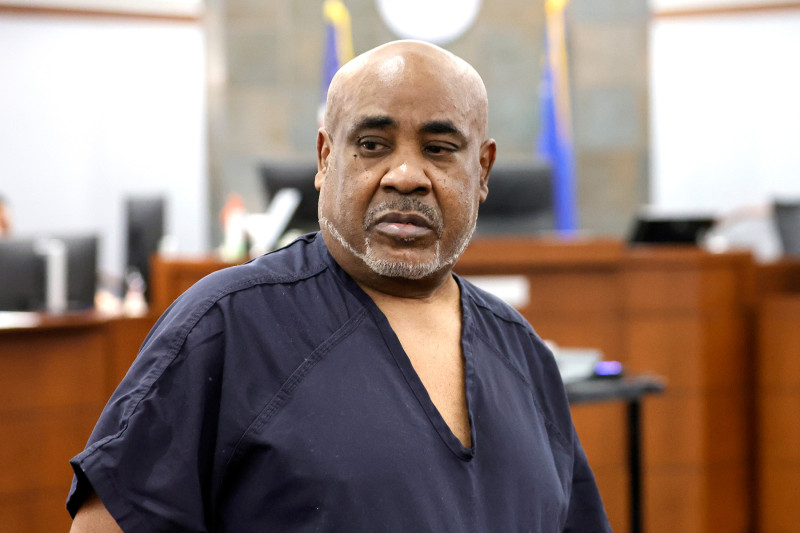
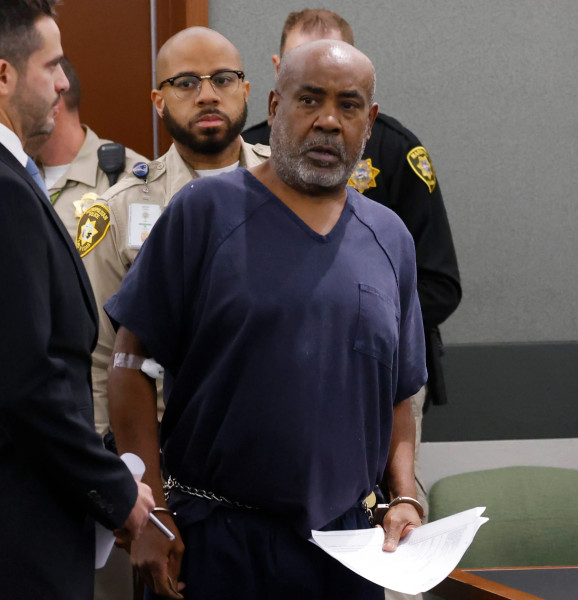
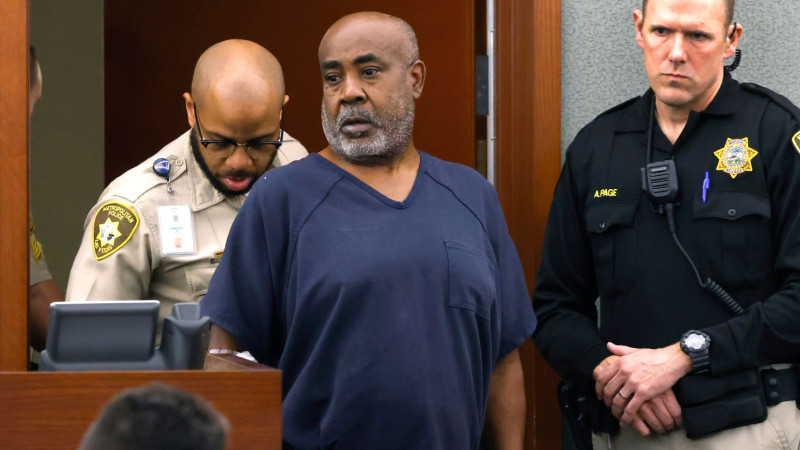
Three decades after the Tupac Shakur murder, the Tupac trial has finally begun, shaking the world of hip-hop and beyond. Duane “Keffe D” Davis, a former gang leader, is now on trial in Las Vegas for his alleged role in the 1996 killing of the beloved rapper.
Decades of Silence: The Long-Awaited Tupac Trial
For almost 30 years, the Tupac Shakur murder has remained one of the most notorious unsolved crimes in American history, especially within the music industry. Now, the first major developments in the case are unfolding in a Las Vegas courtroom. Duane Keith Davis, known as Keffe D, faces a single charge of murder with a deadly weapon, a crime prosecutors allege was committed to promote a criminal gang.
Jury selection has already begun for this high-profile trial. The court has indicated that the 200-person witness list includes notable names like Suge Knight and associates of Diddy, suggesting the trial will delve deep into the inner workings of the hip-hop world and the violent feuds that once dominated it.
Key Evidence and Witnesses: The Tupac Murder Trial Unfolds
The prosecution is relying heavily on Keffe D’s own memoir and past statements, which they believe implicate him in the crime. In the memoir, Davis allegedly confesses to his involvement in Tupac Shakur’s murder, though it's unclear whether these admissions were made under duress or with full awareness of their legal implications.
Suge Knight, the former leader of Death Row Records and one of the last living eyewitnesses to the 1996 assassination, has been called to testify. However, he has refused to cooperate, leaving a key piece of the puzzle untouched.
With such high-stakes and the absence of a clear timeline, this trial is sure to drag on for weeks, if not months, as the prosecution and defense present their cases. The prosecution aims to prove that Keffe D provided the murder weapon and orchestrated the killing, while the defense will likely seek to discredit his memoir and past statements, arguing that they do not constitute a confession.
From the Shadow of Mystery to the Light of Justice
As the trial progresses, the world will be watching to see if justice can finally be served for the murder of Tupac Shakur. This high-profile case is not just about one man’s guilt or innocence; it’s about the broader implications for the hip-hop community and the unsolved murders that have haunted it for years. What will come of this trial? Will it finally provide the answers the world has been seeking for over three decades? Only time will tell.
“This is what we’ve all been waiting to see. Justice delayed is not justice denied. We just hope the truth comes out.”
— An expert on the Tupac Murder Trial
Your questions, answered
Who is Duane "Keffe D" Davis?
Duane Keith Davis, known as Keffe D, is a former gang leader charged with murder in the Tupac Shakur case.
Why is Suge Knight a key witness?
Suge Knight, former leader of Death Row Records, was present during the 1996 assassination and is expected to testify, though he has refused to cooperate.
Quick poll
What impact will the Tupac trial have on the hip‑hop community?
0 votes
How does this story make you feel?
Topics
 Up next · EntertainmentThe Fiery Showdown: Rhaenyra's Tyranny and the Battle of Tumbleton