Robert Gilman: The Homecoming of a Detained Marine
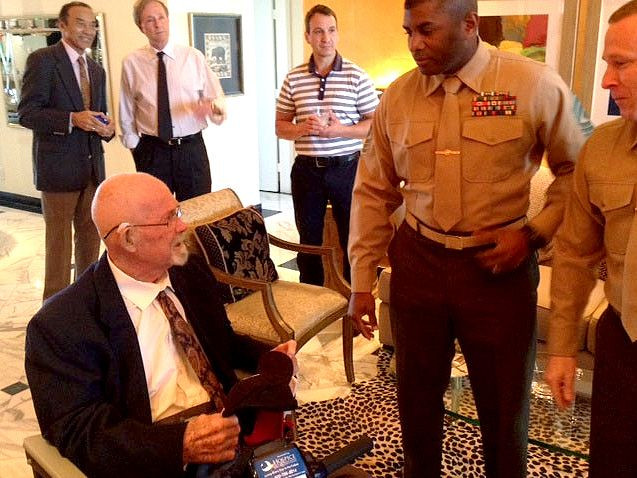
In a geopolitical chess match spanning four years, the release of Robert Gilman is a rare moment of bipartisan unity. The former US Marine, detained in Russia, has been freed, sparking hope for future diplomatic endeavors and highlighting the humanitarian plight of American citizens abroad.
The Long Detention: A Timeline of Incarceration
Robert Gilman's detention began in 2022 when he was arrested in Voronezh, Russia, on charges of assaulting a police officer. However, his family and supporters have long maintained his innocence, citing a lack of evidence and procedural irregularities in his trial.
The years that followed were marked by deteriorating health conditions. Gilman's family and advocates painted a grim picture of his conditions, describing him as being in a catatonic state and fed through a tube. This grim picture was widely reported in recent times.
Recent reports indicated that Gilman was on the brink of death due to mistreatment in Russian detention. His family had warned that his conditions were dire, with advocacy groups calling for his release on humanitarian grounds.
A Turning Point: The Negotiations
Gilmans's release came about after intense diplomatic efforts spearheaded by President Trump. Special Envoy Steve Witkoff played a critical role in negotiating with Russian authorities, ultimately securing Gilman's release on a humanitarian basis.
The process involved multiple stakeholders, including the U.S. Department of State and advocacy groups, who had been pushing for Gilman's freedom. The Kremlin's decision to release Gilman was seen as a significant move, given the ongoing tensions between Russia and the United States.
The timing of Gilman's release coincides with broader diplomatic efforts to improve relations between the two countries. The move has been hailed as a positive step, potentially setting a precedent for future negotiations and releases of detained citizens.
Robert Gilman's Return: A New Beginning
Gilman's return to the United States is a cause for celebration. His family and friends have long awaited his release, and his return is expected to be a moment of profound relief and joy. In an article, Robert Gilman's family was quoted as saying, "We are relieved that he is finally coming home, and we hope he receives the medical care he desperately needs.
Gilman's case has also underscored the broader issue of American citizens detained abroad. His return has sparked discussions about diplomatic efforts and the need for robust legal frameworks to protect Americans overseas. The U.S. government has been praised for its efforts in securing his release, with many calling for continued vigilance and support for other detained citizens.
As Robert Gilman returns, his story serves as a reminder of the complexities of international diplomacy and the human cost of geopolitical conflicts. His journey from detention to freedom raises questions about the future of detainees and the ongoing efforts to secure their release. What lessons can be learned from his experience, and how might they guide future diplomatic endeavors?
How does this story make you feel?
 Up next · WorldTornado Devastates Columbus, Ohio Amid Severe Storms