UN Issues Strong Warning on Extreme El Niño Risks
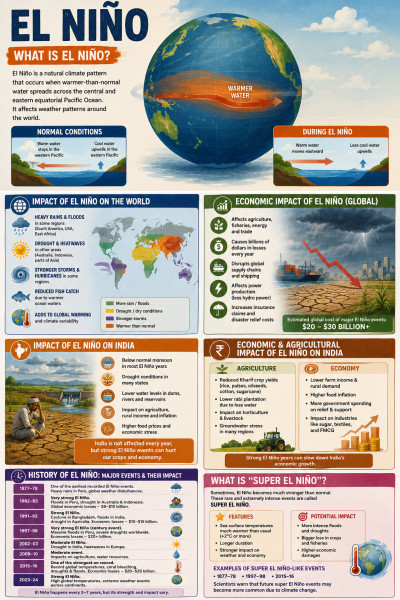
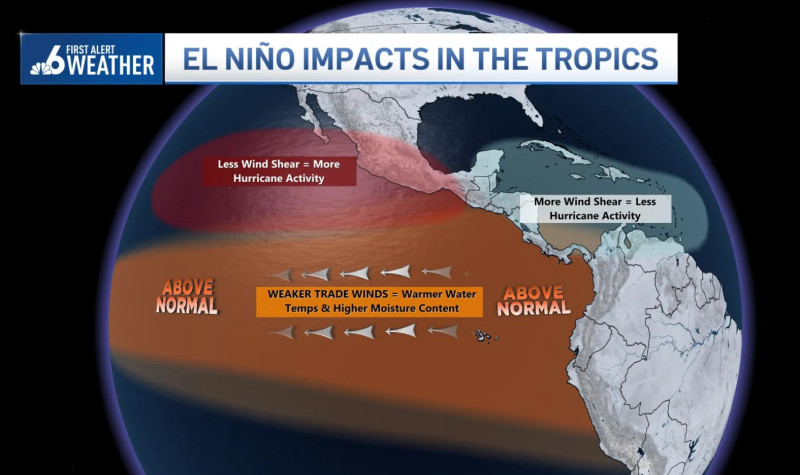
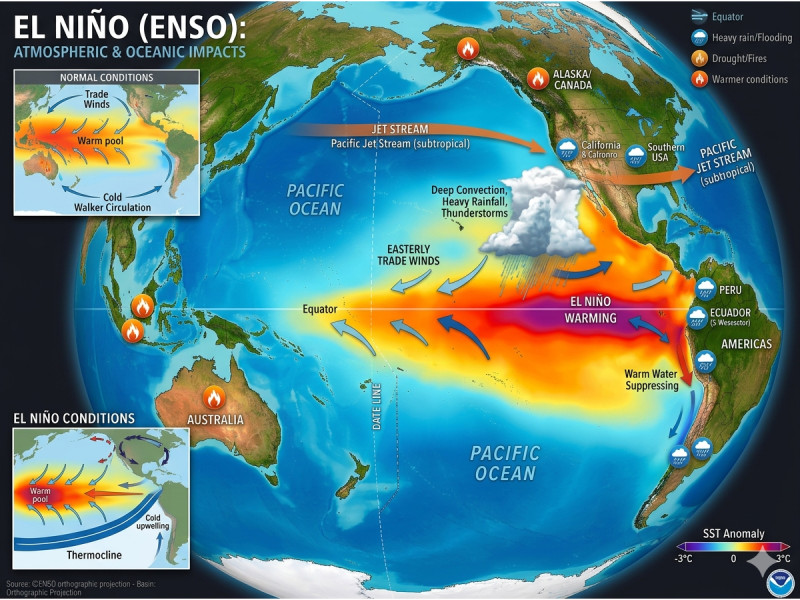
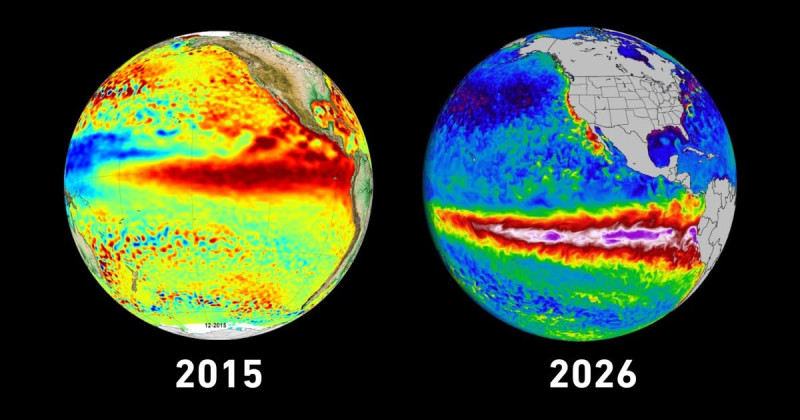
The United Nations has issued an urgent warning about the potential for an extreme El Niño event, which could lead to severe weather conditions and widespread disruption. Recent meteorological data shows a significant increase in sea surface temperatures across the Pacific Ocean, raising concerns about the potential for a strong El Niño 2026. This phenomenon could cause intense storms, droughts, and marine heatwaves, impacting global weather patterns and ecosystems.
Global Impacts and Preparedness Efforts
The World Meteorological Organization (WMO) has been closely monitoring ocean temperatures and atmospheric conditions, noting that the current conditions are reminiscent of past extreme El Niño events. These past events have caused widespread disruption and destruction, and the WMO is warning that the potential impacts of this year's event could be just as severe. The WMO has emphasized the importance of preparedness, urging governments and communities to take proactive measures to mitigate the risks associated with El Niño.
The United Nations Office for Disaster Risk Reduction (UNDRR) has called on governments and communities to develop and implement early warning systems and disaster management plans. The UNDRR has stressed that preparedness is key to minimizing the devastating impacts of extreme weather conditions.
Scientific Monitoring and Historical Context
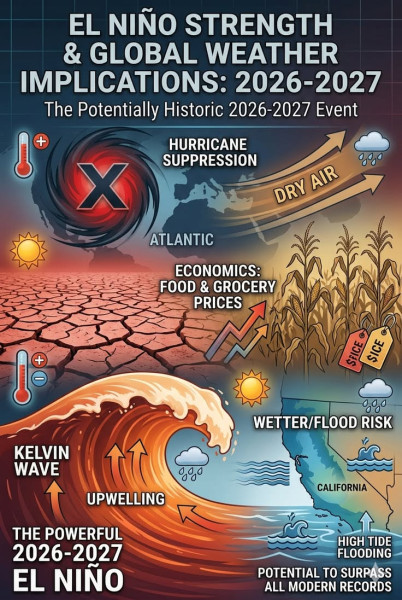
The National Oceanic and Atmospheric Administration (NOAA) in the United States has warned of the potential for an extremely strong El Niño event, comparable to the record-breaking events of 1997-1998 and 2015-2016. These past events resulted in significant global impacts, including severe flooding in some regions and prolonged droughts in others. NOAA scientists are closely monitoring the developing conditions, providing regular updates to the public and policymakers.
The United Nations Environment Programme (UNEP) has raised concerns about the potential impacts of a strong El Niño on marine ecosystems. Increased sea surface temperatures could lead to widespread coral bleaching and disruption of marine food chains. The UNEP has called for international cooperation to protect vulnerable marine species and ecosystems from the adverse effects of El Niño.
The WHO has highlighted the potential health risks associated with extreme El Niño events, noting that increased temperatures and severe weather conditions can exacerbate existing health issues such as heat-related illnesses and vector-borne diseases.
Regional Alerts and Health Concerns
Australia's Bureau of Meteorology (BOM) has issued an alert for potential extreme weather conditions, including severe storms and heavy rainfall, which could affect various regions of the country in recent times. The BOM is working closely with local authorities to ensure that communities are prepared for the potential impacts of El Niño.
The European Centre for Medium-Range Weather Forecasts (ECMWF) has issued a warning about the potential impacts of an extreme El Niño on global weather patterns. The ECMWF predicts that the event could lead to widespread disruption, including extreme rainfall and droughts, which could affect agricultural production and food security in various regions of the world, in recent times.
The potential impacts of an extreme El Niño event are far-reaching and could have devastating consequences for communities and ecosystems around the world.
WHO emphasizes the importance of vigilance and preparedness as the world braces for the potential impacts of an extreme El Niño. The global community must collaborate to mitigate the risks and protect vulnerable populations from the adverse effects of this climatic phenomenon. The world is on notice: the next few months will test our resilience and readiness in the face of a potential climatic catastrophe.
How does this story make you feel?
 Up next · WorldSanta Rosa Rocked by Earthquake Shock