Chuck Redd's Legal Fees After Trump-Related Kennedy Center Cancelation
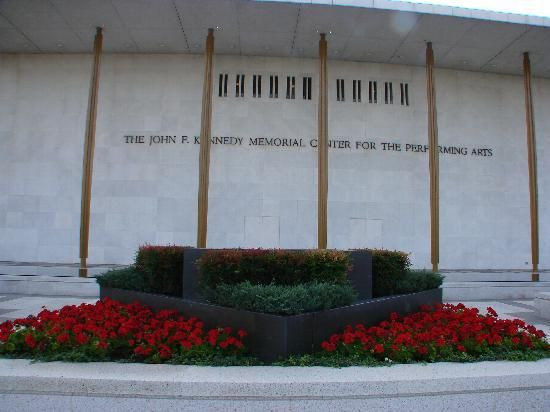
Jazz aficionados were in for a shock recently when the Kennedy Center was ordered to pay legendary musician Chuck Redd a staggering $250,000 in legal fees. The dispute centered around a canceled performance and the contentious addition of Donald Trump's name to the iconic venue.
The Trump Connection and Redd's Decision
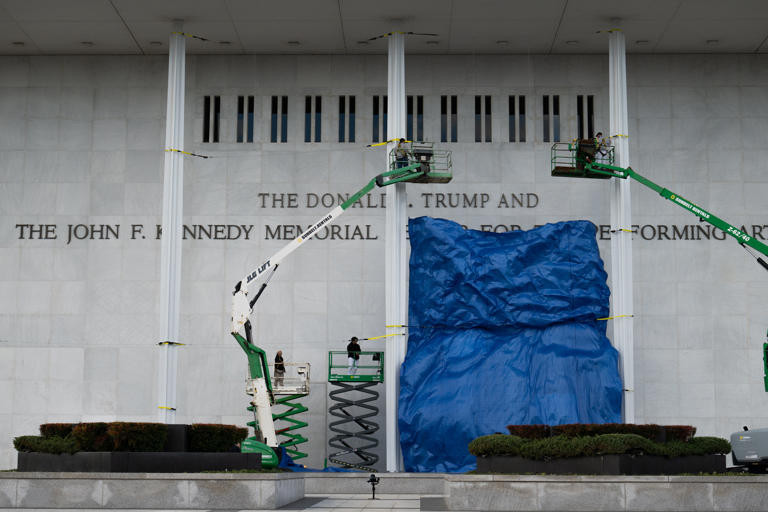
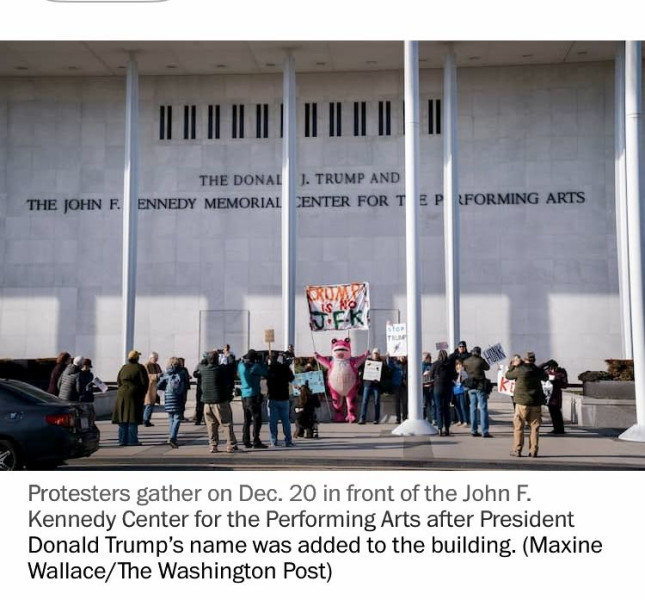
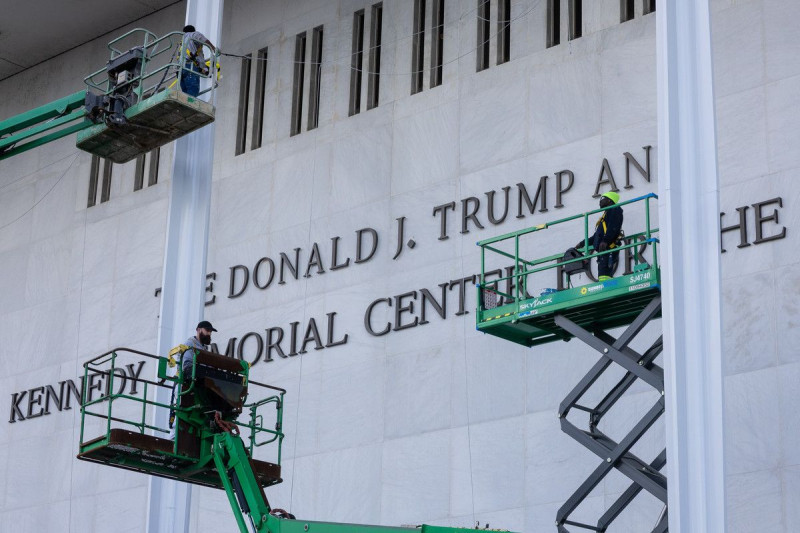
The heart of the dispute lies in the renaming of the Kennedy Center following a Trump led initiative. Chuck Redd, known for his annual Christmas Eve performance, canceled the show in protest. ‘His decision was a bold statement against the association of a public institution with a highly controversial figure.’ The decision to cancel the concert was a direct response to the Kennedy Center adding Donald Trump’s name to the venue.
The Legal Battle and Its Outcome
The legal battle ensued when the Kennedy Center, seeking to uphold its contract, sued Chuck Redd for breach of contract. The lawsuit was seen as a test of artistic freedom versus contractual obligations. According to reports, the lawsuit was dismissed and the Kennedy Center was ordered to pay Chuck Redd's legal fees.
In a surprising turn of events, a judge ruled that the venue would pay more than $250,000 in attorneys’ fees and costs to Chuck Redd, who was sued for backing out of a performance. The ruling underscores the complexities of legal battles involving high-profile figures and public institutions. Chuck Redd's legal victory was seen as a precedent-setting moment in the realm of artistic integrity and contractual disputes.
‘In June, a superior court judge dismissed the Kennedy Center's lawsuit against Redd, and the court ordered the Kennedy Center to pay $250,000 to Chuck Redd, the jazz musician it unsuccessfully sued over backing out of a concert following a Trump takeover.’ The dismissal and subsequent payment order set a strong precedent for artists and public institutions in future disputes.
This case is a rare example of an artist standing their ground against a major institution, and winning. Chuck Redd's decision to cancel his performance and the subsequent legal battle has sparked conversations about the role of public institutions and the freedoms of artists. He had cancelled his annual Christmas Eve performance to protest Trump's name being added to the complex.
The Widespread Impact
Redd's bold move and the court's ruling have sent ripples through the artistic and legal communities. Other musicians and artists are watching closely, potentially inspiring similar stands in the future. This case serves as a reminder of the delicate balance between contractual obligations and the freedom of expression in the arts. The decision to cancel the performance and the resulting legal battle have reignited discussions about the intersection of politics and art, particularly in public institutions. The Kennedy Center will cover Chuck Redd’s legal fees, a decision that has significant implications for future disputes involving public institutions and artistic freedom.
In the broader context, the ruling highlights the complex interplay between legal obligations and artistic freedom. The Kennedy Center ordered to pay Redd over $250,000 in legal fees and costs, a decision that underscores the gravity of such disputes and the importance of protecting artistic integrity. The decision by a Washington, D.C. judge to order the Kennedy Center to pay drummer Chuck Redd $250,000 in legal fees after the venue’s lawsuit against him was dismissed, further cements the significance of this case.
Now, more than ever, the Kennedy Center will have to weigh the implications of its decisions carefully, knowing that artists like Chuck Redd are ready to stand their ground. Will more musicians follow in Redd’s footsteps, and how will the Kennedy Center navigate future controversies? As the dust settles on this landmark case, one thing is clear: the battle over artistic freedom and contractual obligations is far from over. ‘Now the Kennedy Center has to pay Chuck Redd $250,000 in legal fees, a decision that underscores the complexities of legal battles involving high-profile figures and public institutions.’
The court’s decision underscores the importance of balancing contractual obligations with the freedom of artistic expression. With this ruling, the Kennedy Center will have to navigate future disputes with a keen eye on the delicate interplay between legal and artistic freedoms. The Kennedy Center’s decision to add Trump’s name to the venue was a controversial move, and the lawsuit that followed has only intensified the debate. As the arts community watches, the question remains: how will this precedent shape future artistic and legal battles?
How does this story make you feel?
 Up next · EntertainmentChuck Redd Wins $250,000 in Legal Fees After Kennedy Center Lawsuit