Chuck Redd Wins $250,000 in Legal Fees After Kennedy Center Lawsuit
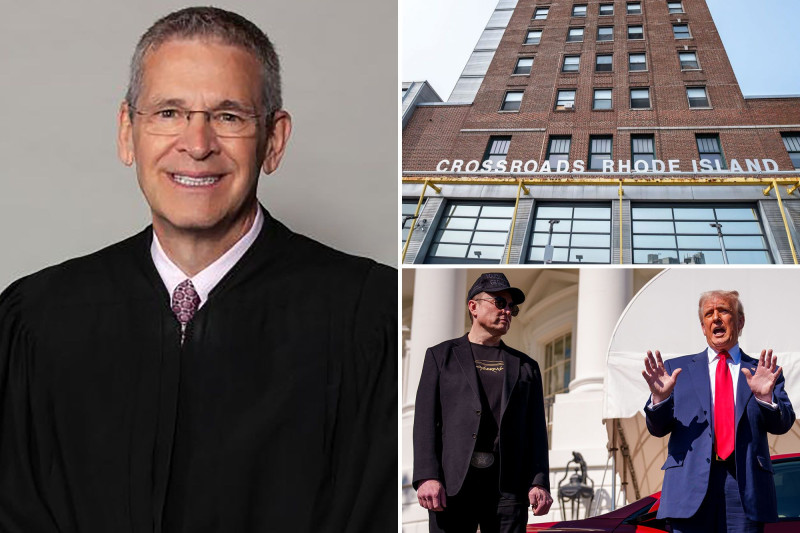
The atmosphere at the Kennedy Center was tense recently as jazz musician Chuck Redd emerged victorious from a long-running legal battle. The venue, now bearing a name closely associated with former President Donald Trump, has been at the center of a storm since Redd canceled his annual Christmas Eve performance in protest. The judge's decision to award Redd $250,000 in legal fees has sent shockwaves through the cultural and legal communities.
The Dispute: Trump's Influence and Redd's Protest
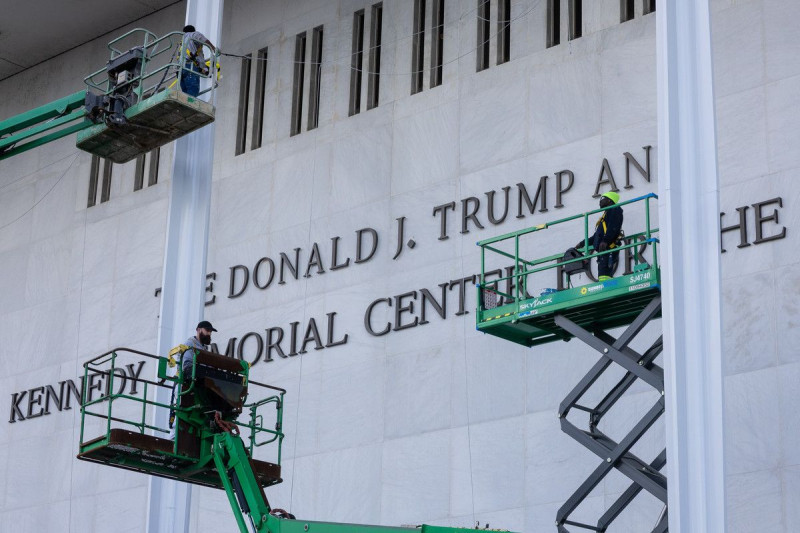
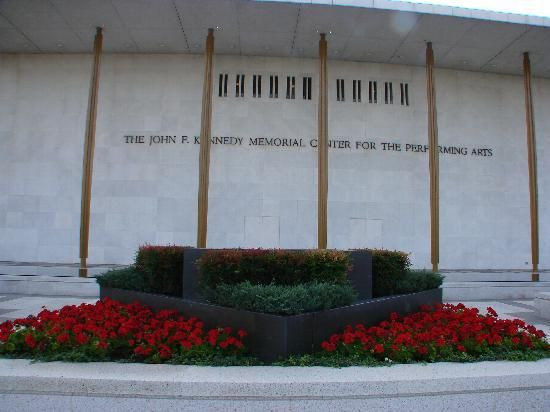
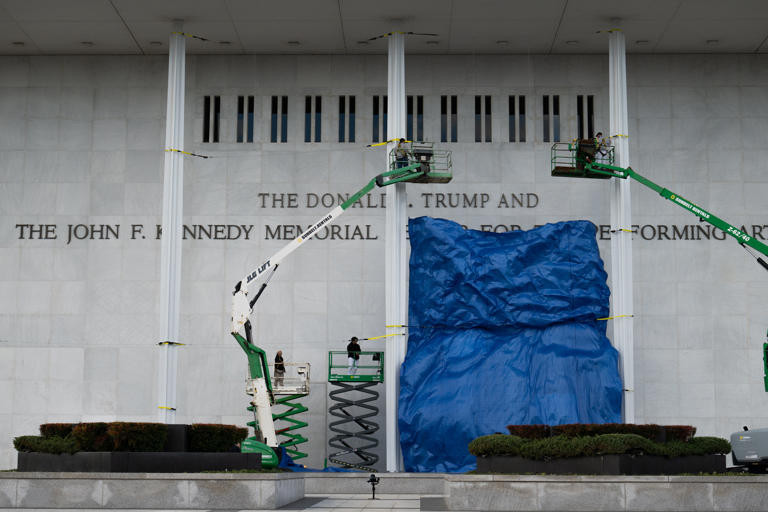
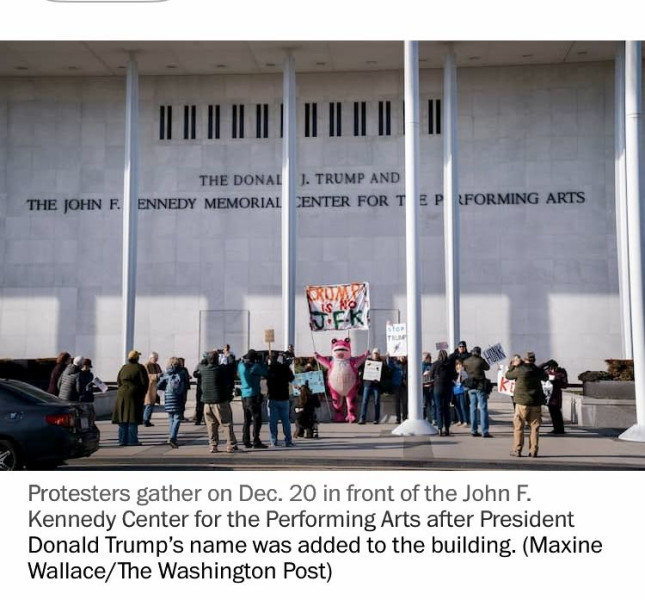
The dispute began when the Kennedy Center, under the administration of the Trump-led National Endowment for the Arts, added the name of former President Donald Trump to the venue. Jazz musician Chuck Redd, known for his annual Christmas Eve performance at the center, canceled his show in protest. The Kennedy Center, in response, sued Redd for breach of contract, setting off a legal battle that has captured public attention.
The Legal Battle: A Victory for Redd
In a recent court decision, the Kennedy Center was ordered to pay Redd $250,000 in legal fees and court costs, marking a significant victory for the jazz musician. The judge dismissed the venue's lawsuit, concluding that Redd had the right to cancel his performance as a form of protest.
The ruling has sparked a wave of reactions from both supporters and critics. "This is a clear victory for artistic freedom," said one legal expert. "It sets a precedent that artists have the right to express their beliefs, even if it means canceling a performance".
The Implications for the Kennedy Center
The legal battle and its outcome have significant implications for the Kennedy Center. The venue, which has long been a bastion of cultural expression, is now grappling with the fallout from its association with former President Trump. The decision to sue Redd has drawn criticism from some quarters, with many arguing that the venue should have respected the artist's right to protest.
In a statement, a spokesperson for the Kennedy Center acknowledged the ruling and vowed to continue supporting artistic freedom. "We respect the court's decision and remain committed to fostering an environment where artists can express their beliefs freely".
"This is a clear victory for artistic freedom and the right to protest," said a legal expert. "The Kennedy Center's decision to sue Redd was a misstep, and the court's ruling is a reminder that freedom of expression is a cornerstone of our society".
As the dust settles, one question remains: how will this ruling shape the future of artistic expression and political protest in cultural institutions? If the past is any indication, the battle for artistic freedom and expression is far from over.
How does this story make you feel?
 Up next · EntertainmentAdam Sandler’s wife Jackie not pregnant, reports say