Skywatchers Await the Total Solar Eclipse in Northern Hemisphere Today
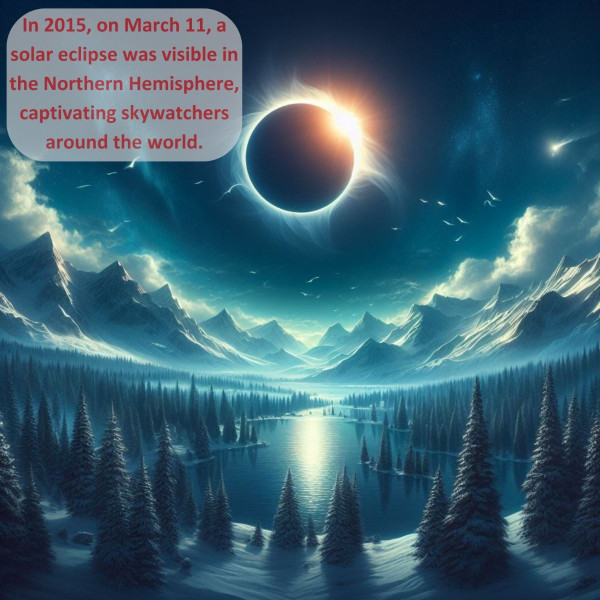
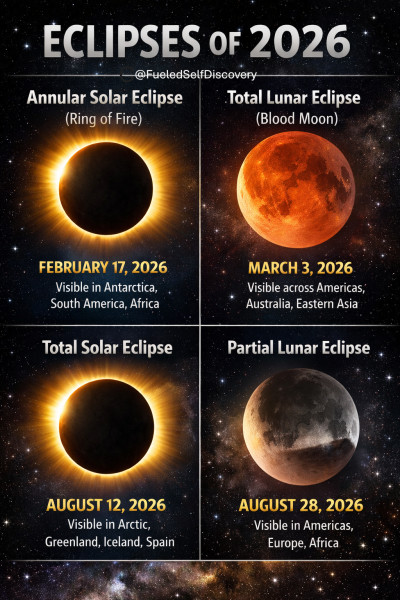
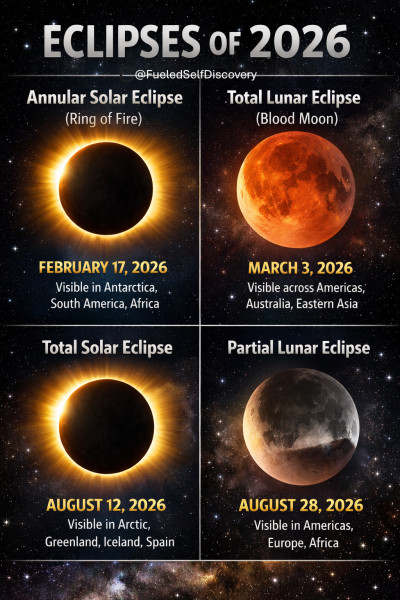
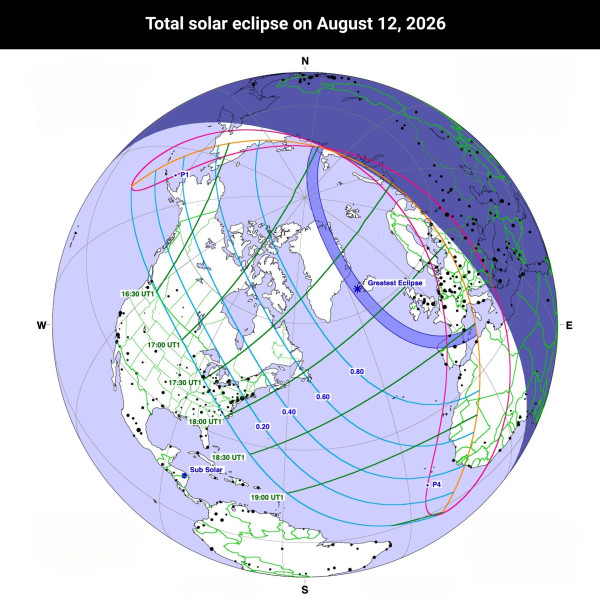
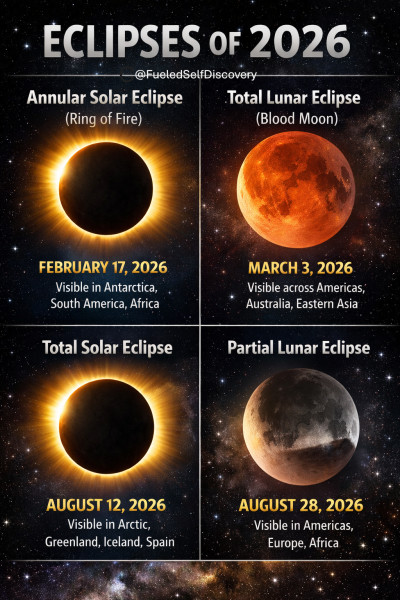
As the sun rises over the horizon, a sense of anticipation fills the air. Today, skywatchers around the globe are eagerly awaiting the rare celestial spectacle of a total solar eclipse. This momentous event will cast a shadow across Greenland, Iceland, northern Russia, the Atlantic Ocean, and portions of Spain and Portugal, as the Moon aligns perfectly between the Earth and Sun, obscuring the Sun's light. The excitement is palpable, with people from all walks of life making preparations to witness this extraordinary phenomenon. From astronomers and scientists to curious onlookers, everyone is gearing up for a once-in-a-lifetime experience. "I've been waiting for this moment for years," says Dr. Emily Hart, a renowned astronomer. "A total solar eclipse is a breathtaking sight that leaves an indelible mark on the soul".
The Path of Totality and its Significance
The path of totality is the narrow band where the Sun will be completely obscured by the Moon, offering a truly awe-inspiring view. This path stretches through Greenland, Iceland, northern Russia, the Atlantic Ocean, Spain, and Portugal. For those lucky enough to be within this path, the experience will be spectacular, with the sky darkening as if it were nighttime. The path of totality is a critical aspect of a total solar eclipse, as it determines where viewers can witness the full effect. Outside this path, observers will still see a partial eclipse, but the experience will not be as profound. The duration of totality will vary depending on the location, with some areas experiencing it for just a few seconds, while others may see it for over two minutes. This variation adds to the thrill and uniqueness of the event.
Viewing Tips and Safety Precautions
Watching a total solar eclipse is an unforgettable experience, but it's essential to do so safely. Directly viewing the Sun, even during an eclipse, can cause permanent eye damage. Experts recommend using special eclipse glasses or solar filters to protect your eyes. Additionally, pin-hole projectors and solar telescopes can be used to observe the eclipse indirectly. Emphasizing the importance of safety, Dr. Hart notes, "It's crucial to take the necessary precautions. Eclipse glasses should meet the ISO 12312-2 international safety standard to ensure they provide adequate protection. Never look at the Sun through a camera, telescope, or binoculars without a proper filter".
Cultural and Historical Significance
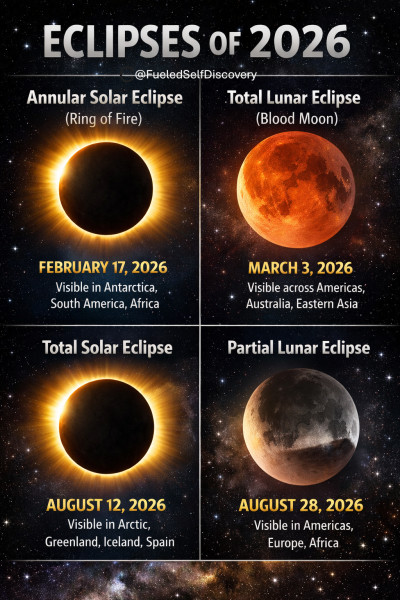
A total solar eclipse has long captivated human imagination and held cultural significance across various civilizations. Throughout history, these rare events have been interpreted as omens, miracles, and supernatural occurrences. Today, they serve as opportunities for scientific discovery and public education. The upcoming eclipse is expected to inspire a new wave of interest in astronomy and space science, fostering a deeper appreciation for the wonders of the cosmos. The total solar eclipse on August 12, 2026, will not only be a stunning natural phenomenon but also a moment of unity. As people from different parts of the world come together to witness this celestial event, it serves as a reminder of our shared humanity and the universal curiosity that drives us to explore the mysteries of the universe. In the quiet moments before the eclipse, the atmosphere is charged with a sense of wonder and anticipation. As the Moon begins to obscure the Sun, the world will hold its breath, waiting for the magical moment when day turns to night, and the cosmos reveals its awe-inspiring beauty. The eclipse is a natural marvel that transcends time and space, uniting us all in a shared experience of awe and fascination. As the world watches, the total solar eclipse will remind us of the beauty and mystery of the universe, leaving an indelible mark on the hearts and minds of those who witness it. Today, we stand on the precipice of a celestial event that will be remembered for generations to come.
How does this story make you feel?
 Up next · ScienceTotal Solar Eclipse of 2026: A Celestial Spectacle Sweeping Across The Northern Hemisphere