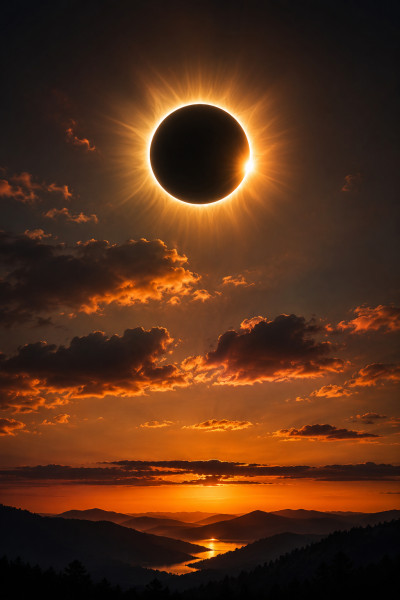
Solar Eclipse 2026: Darkening Skies Across the Northern Hemisphere
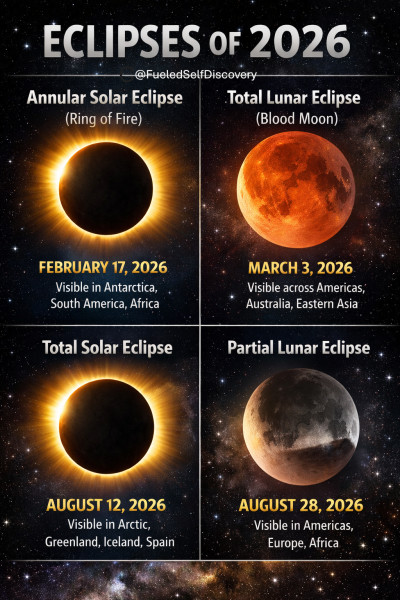
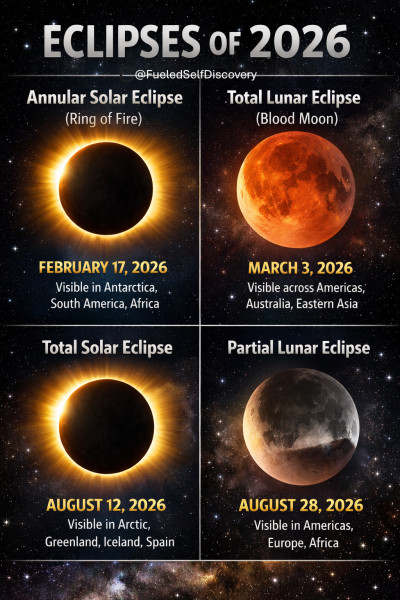
Underneath the vast expanse of the Northern Hemisphere's sky, a rare celestial spectacle is unfolding. A total solar eclipse is casting a shadow over parts of Greenland, Iceland, and northern Spain, marking the first time a total solar eclipse has darkened these regions in recent years. The event has sparked a global phenomenon, drawing astronomers and enthusiasts alike to witness the awe-inspiring sight. But what does this solar eclipse mean for viewers in the U.S., and where exactly can you see it from your location?
Observing the Eclipse: Visibility and Path
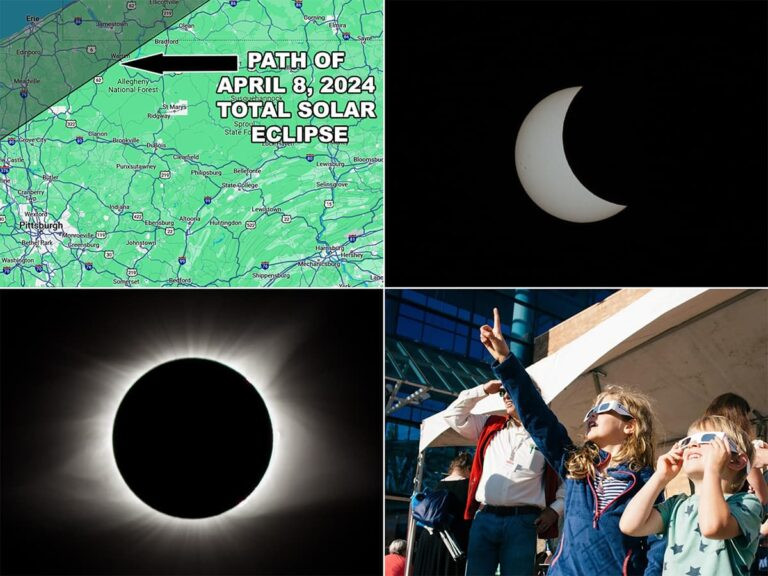
For those wondering, “can you see the eclipse in the US?”, the answer is both yes and no. The path of totality—where the moon completely obscures the sun—does not extend into the United States. However, parts of the northern U.S. are experiencing a partial solar eclipse, where only a portion of the sun is obscured by the moon. "The partial eclipse is a fascinating sight, but it doesn't compare to the breathtaking totality," says Dr. Emma Hartley, a renowned astronomer. "The difference between a partial and a total eclipse is like the difference between a whisper and a shout."
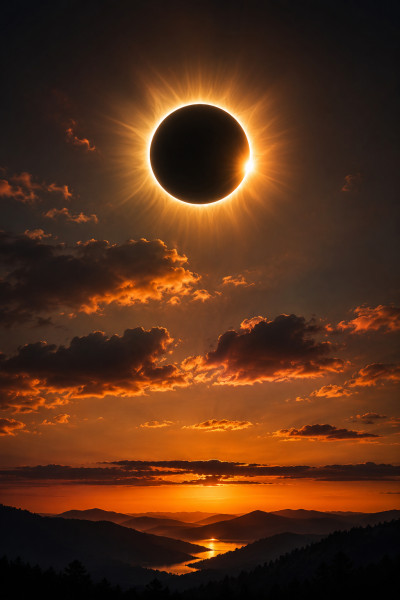
A total eclipse occurs when the moon passes directly in front of the sun, casting a shadow on Earth. For those in the path of totality, the sky turns dark, and stars become visible in the daytime. This rare event is a testament to the precise alignment of the sun, moon, and Earth. The path of this solar eclipse, spanning parts of Greenland, Iceland, and northern Spain, is a narrow band where the total eclipse is visible. People in these regions are treated to the stunning sight of the sun's corona, the outermost part of the sun's atmosphere, which is usually hidden by the sun's bright light. "The corona is a mesmerizing sight, visible only during a total eclipse," explains Dr. Hartley.
The Eclipse Path: A Journey Through the Northern Hemisphere
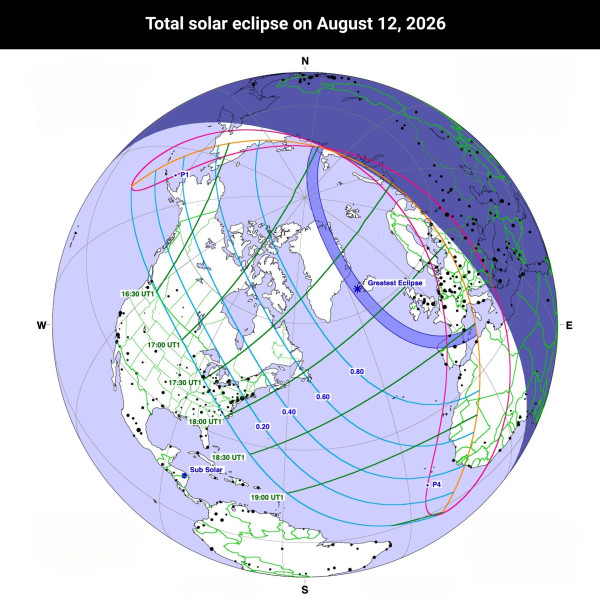
The path of the solar eclipse is a narrow corridor where the total eclipse is visible. For those eager to know “where is the solar eclipse in 2026?” the answer is clear: the eclipse's shadow is sweeping across Greenland, Iceland, and northern Spain. The eclipse path is relatively narrow, but the partial eclipse is visible over a much broader area, including parts of Europe, northern Africa, and the Middle East. The eclipse path map, provided by sources like NASA and timeanddate.com, shows the exact path of totality and the areas where a partial eclipse can be seen. "The eclipse path is a reminder of the Earth's rotation and the moon's orbit, a stunning display of celestial mechanics," says Dr. Hartley.
The eclipse map provides a visual representation of the path of the solar eclipse, showing the areas where the total eclipse is visible and the regions where a partial eclipse can be seen. These maps are essential for anyone wanting to know “can I see the eclipse from my location?” They offer detailed information about the eclipse's timing, duration, and visibility in different parts of the world. For those in the path of totality, the experience is unforgettable, with the sky turning dark and stars becoming visible. "The eclipse map is a crucial tool for planning your viewing experience," says Dr. Hartley.
Next Solar Eclipse: Upcoming Celestial Events
As the current solar eclipse unfolds, many are already looking ahead to the next solar eclipse. NASA's Eclipse Explorer and other astronomical resources provide detailed information about upcoming celestial events, including the next solar eclipse. The next total solar eclipse is expected to occur in 2027, with the path of totality crossing parts of South America, the Atlantic Ocean, and Africa. "The anticipation for the next solar eclipse is always high, and for good reason. Each eclipse is a unique experience, offering a different perspective on our place in the universe," says Dr. Hartley.
For those eager to know “what time is the solar eclipse?” the exact timing varies depending on your location. The total eclipse will start in Greenland, moving eastward through Iceland and northern Spain. The partial eclipse, visible in a broader area, will occur at different times depending on your location. "Timing is everything when it comes to a solar eclipse," says Dr. Hartley. "The exact moment of totality can vary by minutes, making it essential to plan your viewing accordingly."
While the current solar eclipse captivates viewers across the Northern Hemisphere, the anticipation for the next solar eclipse continues to build. For those in the path of totality, the experience is one of awe and wonder, a testament to the beauty and mystery of the cosmos. As the eclipse unfolds, astronomers and enthusiasts alike are reminded of the profound connection between the Earth, the moon, and the sun, a connection that has fascinated humanity for centuries.
“The next eclipse will see the sun and moon in another grand alignment, and we will eagerly watch as the shadow of the moon once again graces our skies.
How does this story make you feel?
 Up next · ScienceBay Area Earthquake Alert: San Francisco and Surroundings Feel Recent Tremors