CPI Report Shows Inflation Dips, but Stays Elevated

The fluorescent glare of the briefing room in Washington, D.C., illuminated the sober faces of economists as they pored over the latest CPI report, released today. The Consumer Price Index (CPI) for All Urban Consumers increased by 0.1 percent in July, marking a significant shift in the inflation landscape.
Inflation Cools, but Remains a Concern
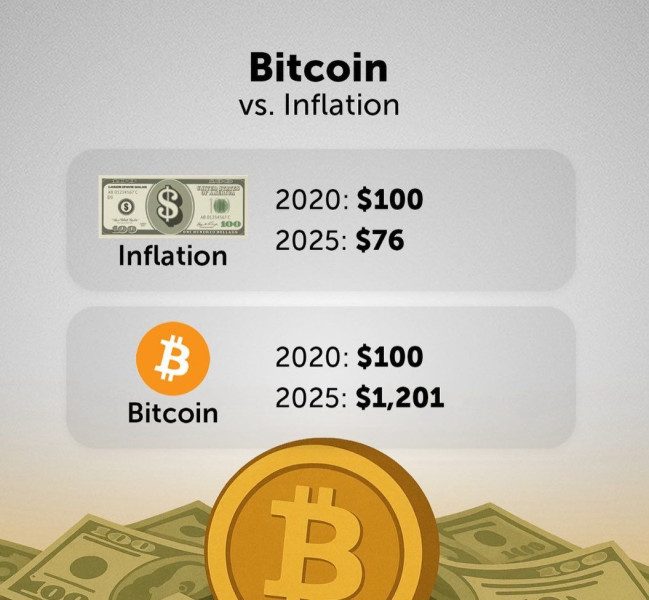
After a period of sustained high inflation, CPI data reveals a slight easing in recent months. The annual inflation rate has decreased to 3.4 percent, down from 3.5 percent recorded in the previous month, according to the Bureau of Labor Statistics. This represents the second consecutive month of slowing inflation, a trend economists have been closely monitoring. The drop, although modest, suggests a potential turning point in the ongoing battle against rising prices.
Understanding the CPI and Its Impact
The CPI report today offers a detailed snapshot of the economic climate, but what exactly is the CPI? The Consumer Price Index is a comprehensive measure of the average change over time in the prices paid by urban consumers for a market basket of goods and services. This index covers a wide range of items, from essentials like food and utilities to more varied expenses such as automotive fuel and various services. The index provides a critical gauge for policymakers, investors, and consumers alike.
One of the key aspects of the CPI data release is its impact on the cost of living. The recent dip in inflation, while encouraging, still leaves Americans grappling with elevated prices. According to the latest figures, shelter costs have risen by 3.4 percent over the past year. This persistent increase in housing expenses is a significant contributor to the overall inflation rate, affecting millions of households across the country.
The Economic Landscape and Future Outlook
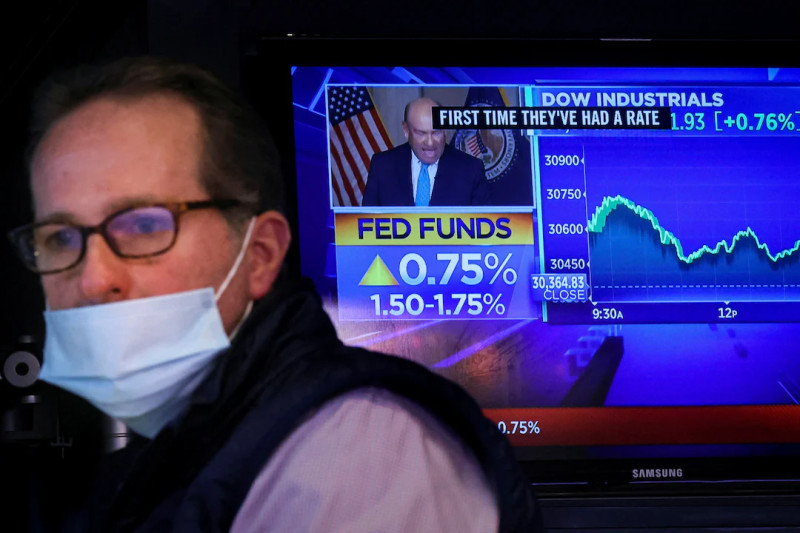
As the inflation report was announced, the hum of phones buzzing in pockets and the murmur of financial analysts discussing the implications filled the room. Economists are now closely watching the Federal Reserve's response to these figures. The central bank’s monetary policies, which include interest rate adjustments, play a crucial role in managing inflation. The recent cooling of inflation may influence the Fed's decisions, potentially leading to changes in interest rates or other measures to stabilize the economy.
However, the economic landscape remains complex, with ongoing geopolitical tensions and uncertain global markets adding layers of unpredictability. The war in Iran, for instance, has been cited as a factor contributing to inflation, further complicating the situation. As a result, while the latest CPI report shows some improvement, the fight against inflation is far from over.
— The economic landscape remains as unpredictable as ever.
The CPI report highlights a complex economic environment, where progress is made but challenges persist. As the data continues to evolve, policymakers and consumers alike will be watching closely to see how these trends unfold.
How does this story make you feel?
 Up next · BusinessNebius Group Stock Soars: AI Cloud Growth Drives Massive Revenue Surge