What's the Tax Impact of the Powerball's Massive $1.8 Billion Jackpot?
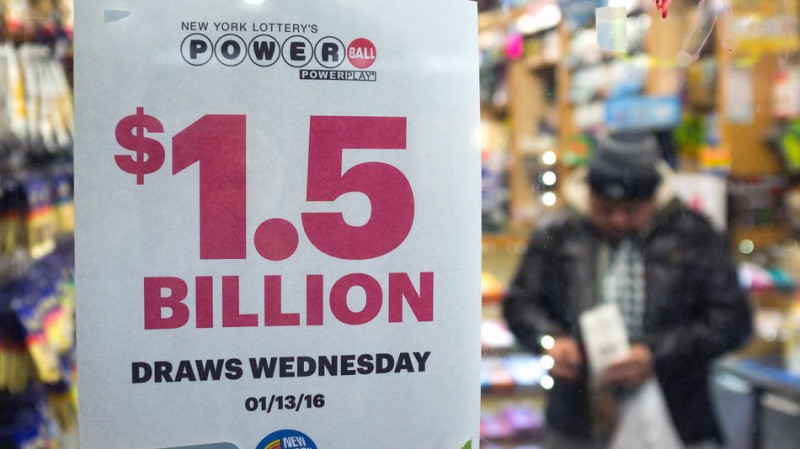
Lottery fever is gripping the nation once again. Just imagine — your ticket is the winning one, and the Powerball jackpot could bring home a staggering $1.8 billion. But, before you start counting your newfound riches, remember that there's a significant tax bill looming over your jackpot winnings.
Tax Implications of the Powerball Grand Prize
Winning the Powerball jackpot of $1.8 billion means you'll be subject to a hefty tax bill, which can significantly reduce your net winnings. The federal government taxes lottery winnings at a rate of up to 37% for the top income bracket, and depending on your state of residence, you could face additional state taxes, as well. For example, in California, the state income tax could be as high as 13.3%.
The exact amount you keep after taxes depends on your specific tax situation, but it's not uncommon for winners to take home just over half of their jackpot after all taxes are applied. If you were to win the $1.8 billion jackpot, you could expect to receive around $950 million to $1.1 billion after taxes, depending on your state of residence and whether you choose the lump sum or annuity payout.
The Powerball taxes calculator can help you estimate how much you would keep after taxes, depending on your filing status and state. This tool can be particularly useful if you're considering how much you'll owe in taxes and what you can expect to take home.
How to Calculate the Powerball Jackpot Payout
If you're wondering how the Powerball payouts work, here's a breakdown. The grand prize, which is what you see advertised, is paid out in 30 annual installments. This is the annuity option, where you receive annual payments over 30 years. However, most winners opt for the lump sum, which is a one-time payment that is significantly smaller than the advertised jackpot.
Currently, the lump sum payout for the $1.8 billion jackpot is estimated to be around $960 million before taxes. This is because the lump sum represents the present value of the annuity payout, discounted to account for the time value of money.
Furthermore, the Powerball jackpot tax impact is a significant consideration when deciding whether to take the lump sum or annuity payout. If you are in a high federal tax bracket or reside in a state with high income taxes, opting for the lump sum might be a more financially prudent decision.
When to Buy Powerball Tickets and What to Expect
For those eager to try their luck, Powerball tickets are available for $2 each. The ticket price includes the Powerball game and a chance to win a secondary prize. In some cases, you might also choose to add options like Power Play or Megaball to increase your odds of winning a smaller prize, but these come at an additional cost.
The next Powerball drawing is set to take place — but remember, exact dates are not always publicized until the lottery drawing directly precedes the next one.
Powerball has always been known for its massive jackpots, and the upcoming drawing promises to be no different. The excitement around the jackpot, combined with the tax impact on the Powerball grand prize, makes this a momentous occasion for lottery enthusiasts.
As the excitement and anticipation build, lottery players across the country will be crossing their fingers and hoping that their numbers hit the mark. Expect the Powerball lottery to be a hot topic in recent times, with the potential for a life-changing win driving interest to new heights.
Powerball fans are excited about the upcoming drawing, but the tax implications are a significant factor to consider, warns lottery critic, "One thing that often surprises winners is the sheer magnitude of the taxes they have to pay. The Powerball jackpot might look massive, but after taxes, it's a different story."
If you're planning to buy a ticket or have a friend who's already won the game, make sure to do your research on the Powerball grand prize tax impact. A bit of financial planning can go a long way in maximizing your winnings and navigating the complexities of tax laws. —
How does this story make you feel?
 Up next · BusinessInflation's Impact: What the 2027 Social Security COLA Forecast Means for You