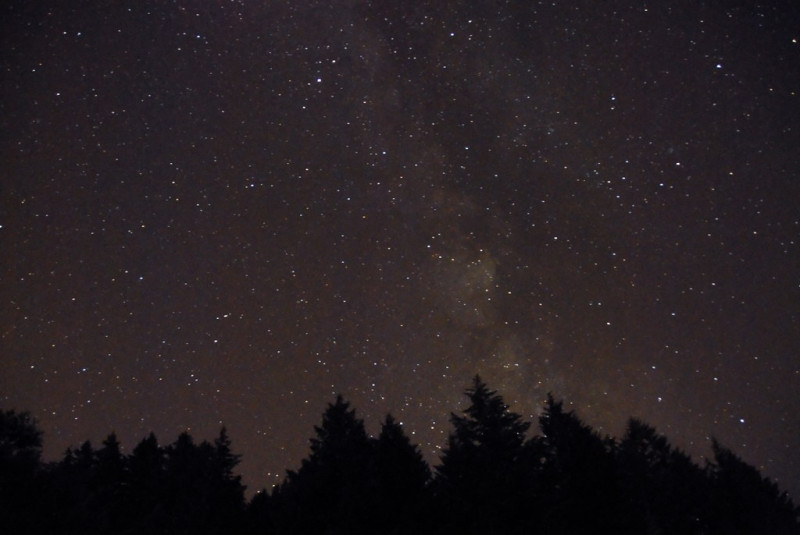
Stargazers, Here's Your Nighttime Guide to the Perseid Meteor Shower Extravaganza
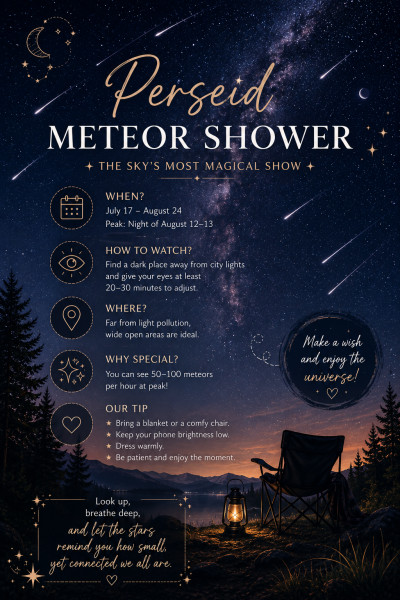
Let's not kid ourselves, the Perseid meteor shower is the main event in the sky-watching calendar, and it's happening right now. The Perseids are famous for their fireballs and are a favorite among stargazers. The question on everyone's mind is, "when is the meteor shower tonight, and what time should I look up?"
Perseids: The Cosmic Spectacle of the Season
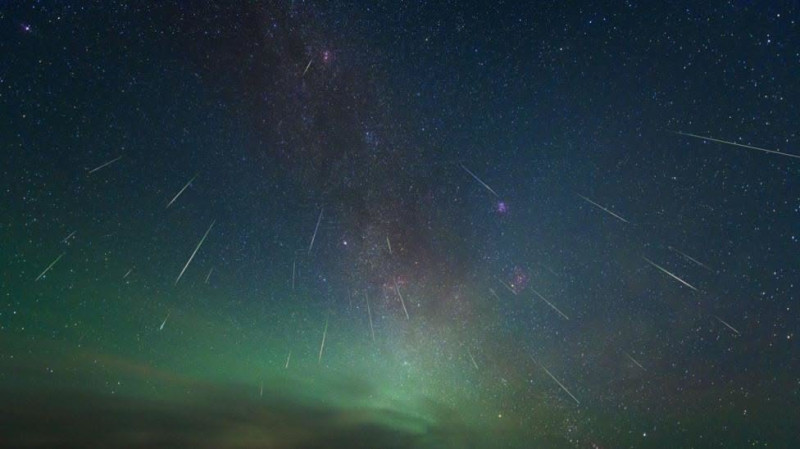
The Perseid meteor shower is a celestial phenomenon that occurs annually, and it's not one to miss. As the Earth crosses paths with the dusty trail left by the Swift-Tuttle comet, we get a stunning light show in the night sky. According to available reports, the Perseids are currently active, with their peak moments happening recently under the cover of a dark new moon.
The Perseids are known for their fireballs — bright meteors that leave long-lasting trails across the sky. This year, the shower peaks, offering up to 60 to 100 meteors per hour. The best time to catch the action is after midnight, but you can start looking right now as the sky darkens.
Why is the Perseid Meteor Shower Such a Big Deal?
The Perseids are one of the most anticipated meteor showers of the year, and for good reason. They are known for their high rates and bright meteors, which can often be seen even under less-than-ideal conditions. The shower is active from mid-July to late August, and recently, it reached its peak, making it the perfect time to catch a glimpse of some shooting stars.
This year, the conditions are particularly favorable. The new moon is out of the way, making the sky darker and the meteors easier to see. According to the latest reports, the radiant, or the point in the sky from which the meteors appear to originate, will be high in the sky during the predawn hours, making it a prime time for observation.
There is a counterpoint though. Meteor showers like the Perseids are unpredictable. While they offer spectacular views, factors like weather, light pollution, and atmospheric conditions can all affect visibility. For instance, cloud cover can obscure the view, while light pollution from urban areas can drown out the fainter meteors. That said, even with some interference, the Perseids are so bright and numerous that they are still a sight to behold.
Where and When to Watch Tonight's Meteor Extravaganza
So, where and when to watch the celestial spectacle? The Perseids are best viewed from a dark location, away from city lights. The best time to start looking is after 10 PM, but the hours between 2 AM and dawn offer the most activity.
To find the best viewing spot, consider using a light pollution map to locate a dark sky area near you. The less light pollution, the better your chances of spotting meteors. Additionally, the moon's phase and position play a crucial role in meteor shower visibility. During the new moon phase, the sky is darker, making it easier to see the meteors.
In recent times, the Perseids have been a reliable source of astronomical entertainment, and this year is no different. The shower is active and peaking, providing a fantastic opportunity to witness a dazzling display of shooting stars.
If you're planning to watch the meteor shower, remember that patience is key. It can take up to 30 minutes for your eyes to fully adapt to the dark, so give yourself plenty of time to settle in. And just as the night sky is unpredictable, so is the cosmos — after all, the next big cosmic event could be right around the corner, so keep your eyes peeled.
Let's wrap up, the Perseid meteor shower is a celestial spectacle that happens toneight and is a must-see for any star enthusiast. Whether you're a seasoned stargazer or a newcomer, the Perseids offer a stunning display of shooting stars, and this year, the conditions are perfect for a memorable night under the stars. So, get ready to look up and witness the magic of the Perseid meteor shower. The sky is calling, and it's time to answer.
How does this story make you feel?
 Up next · ScienceWitnessing the Spectacle: A Total Solar Eclipse Graces the Northern Hemisphere