Witnessing the Spectacle: A Total Solar Eclipse Graces the Northern Hemisphere
A celestial dance is unfolding above the Northern Hemisphere, a cosmic ballet where the moon will briefly obscure the sun, plunging parts of the globe into an unnatural twilight. This isn’t a spectacle that can be witnessed frequently, and it has captured the imagination of millions across the world.
The Path of Totality: Where to Observe the Eclipse
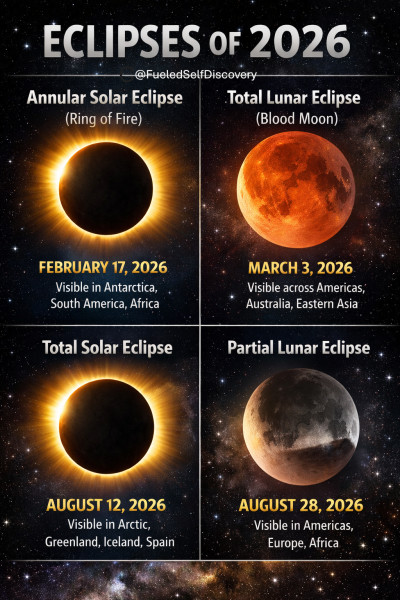
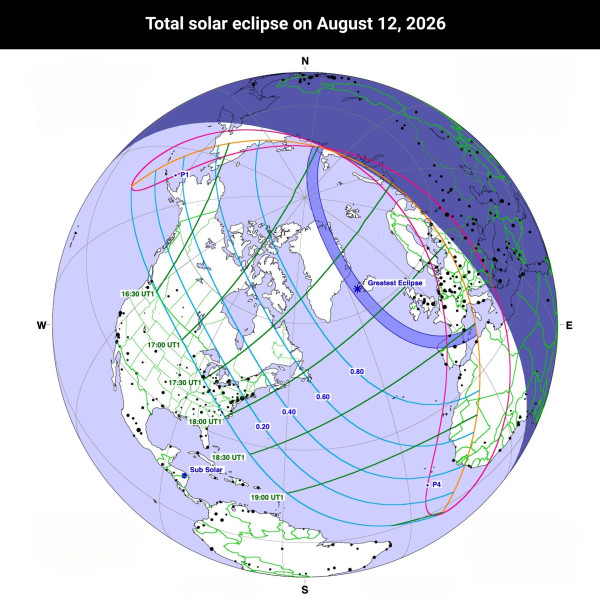
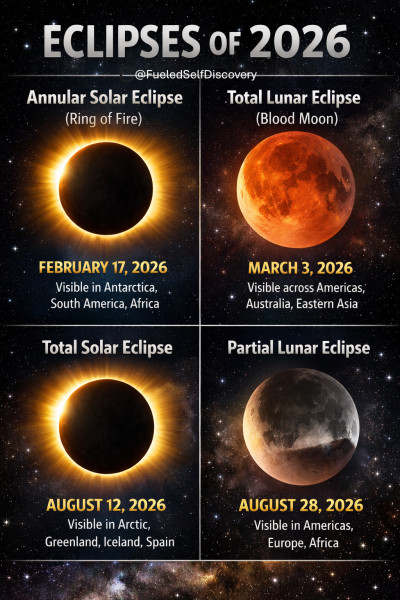
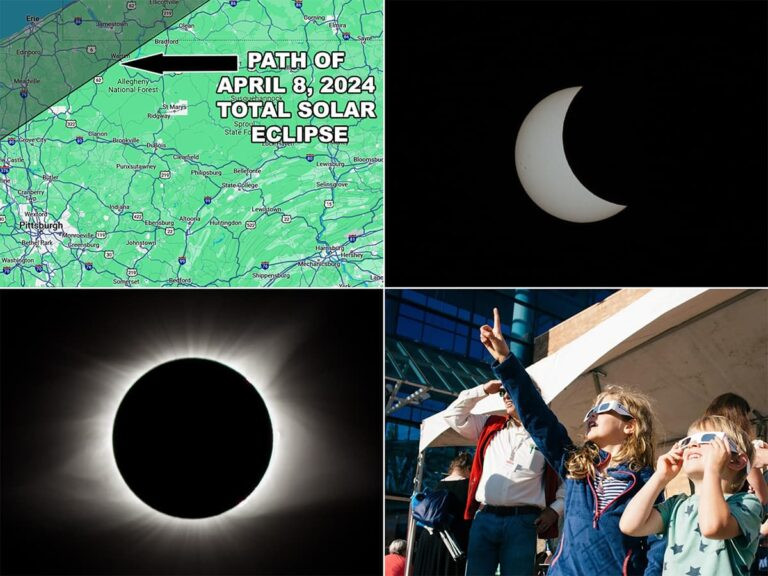
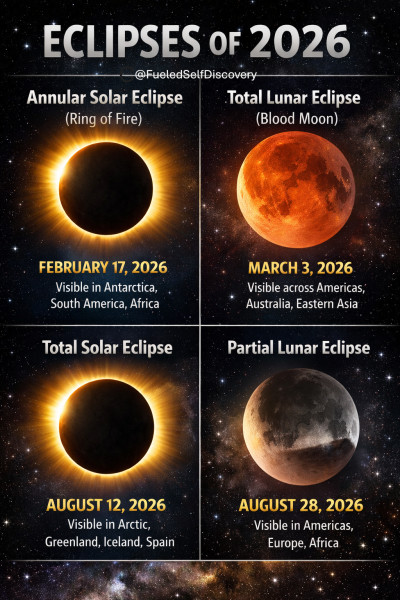
The path of totality, the narrow strip where the moon completely blocks out the sun, extends across parts of Greenland, Iceland, and northern Spain. Those in these regions are treated to a rare sight, as the sky darkens during the day and the stars become visible. For those outside the path of totality, a partial eclipse offers a glimpse of the celestial event, with varying degrees of the sun being obscured depending on the location.
In the United States, those in the northern and eastern regions can still catch a partial view of this cosmic event. While it doesn’t compare to the total eclipse, it serves as a reminder of the solar system’s intricate choreography.
What You Need to Know: Timing, Visibility, and Safety
The total solar eclipse will be visible in the Northern Hemisphere, spanning across Europe, Greenland, and Iceland. For those in the path of totality, the eclipse begins in the early hours of the day. However, the precise timing will vary depending on the locale. The Northern Hemisphere’s skygazers are in for a treat, particularly those in Europe, where a total eclipse hasn’t been seen in nearly 27 years.
For those in the United States, the eclipse is a partial one, visible as the moon takes a bite out of the sun. The exact time and visibility will depend on the location, with northern and eastern states offering the best views.
The event offers a fascinating lesson in celestial mechanics, illustrating how the moon and the sun align in a cosmic coincidence that has captivated humans for millennia. The eclipse’s path of totality begins in Greenland, traverses Iceland, and culminates in northern Spain, providing some of the most dramatic views of the phenomenon.
Safety guidelines are paramount during a solar eclipse. Never look directly at the sun without proper eye protection, as the intense UV radiation can cause permanent damage to your eyes. Special eclipse glasses or solar filters for binoculars and telescopes are recommended to safely observe the event.
The Science and Wonder of a Solar Eclipse
A total solar eclipse is more than just a visual spectacle; it is a profound demonstration of the precise alignment of celestial bodies. The moon, which is roughly 400 times smaller than the sun, is also about 400 times closer to Earth. This cosmic coincidence allows the moon to perfectly cover the sun’s disk, revealing the sun’s corona—a shimmering, ethereal halo of plasma that is usually hidden from view.
The celestial ballet, with the moon acting as a precise cosmic dancer, obscures the sun for a brief period, creating a twilight-like effect in the middle of the day. The event offers a unique opportunity for scientists to study the sun’s outer atmosphere and for the public to experience one of nature’s most awe-inspiring events.
For those lucky enough to be in the path of totality, it is a moment of profound awe and wonder. The sky darkens, stars become visible, and the temperature drops, creating a surreal experience that transcends the ordinary.
In the grand theater of the universe, a solar eclipse is a fleeting performance, a cosmic ballet that reminds us of the intricate dance of celestial bodies. It’s a reminder of our place in the cosmos, a tiny speck in the vast expanse of the universe, witnessing a spectacle that has been unfolding since time immemorial.
The upcoming solar eclipse is a once-in-a-lifetime opportunity for many, a moment to gaze up at the heavens and marvel at the cosmic wonder unfolding above us. For those observing the eclipse, whether in the path of totality or catching a partial view, it is a reminder of the beauty and mystery of the universe that we inhabit.
How does this story make you feel?
 Up next · ScienceSuper El Niño 2026-2027 Winter Forecast: Record Storms on the Horizon