Perseids Meteor Showers: A Celestial Spectacle Under Exceptional Skies
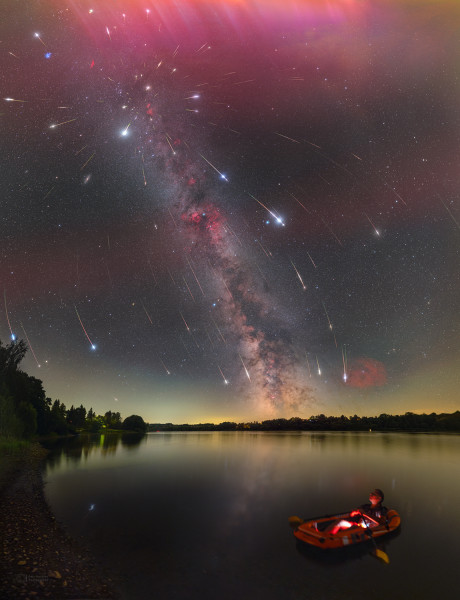
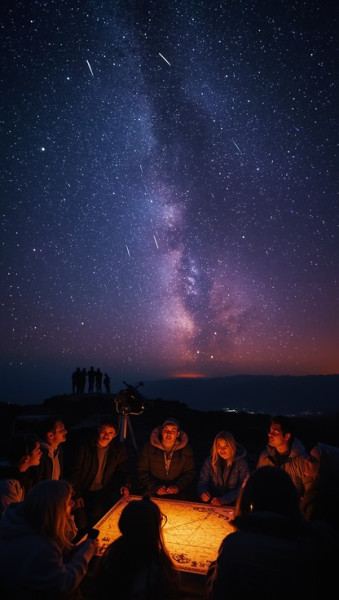
The night sky is about to offer a rare spectacle, and if you're one of the thousands eagerly awaiting the peak of the Perseids meteor showers — well, tonight is the night. For anyone willing to stay up late, tonight is one of the best opportunities of the year to step outside and look up to see the meteor shower.
What to Expect from the Perseids Meteor Showers Tonight
The Perseids, Summer's strongest meteor shower, promises a stunning display of shooting stars. Tonight, the entire Northern Hemisphere will be treated to a mesmerizing celestial event.
In 2026, the ideal time to view the meteor shower is after midnight through dawn on the mornings of August 12 and 13. The best time to watch will be under the cover of a new moon, which ensures dark skies free from light pollution, allowing for an unparalleled viewing experience.
The Perseids are widely sought after by astronomers and stargazers because most years at its peak, one can see 60 to 100 meteors in an hour from a dark place.
— Get ready for a rare treat. Tonight, the Perseids meteor shower will peak under extraordinary conditions, with a total solar eclipse occurring on the same day, and a potential dust-trail boost enhancing the viewing experience. The most meteors per hour are forecasted to fall between 8:00 PM and 4:00 AM.
How and When to Watch the Meteor Showers Tonight
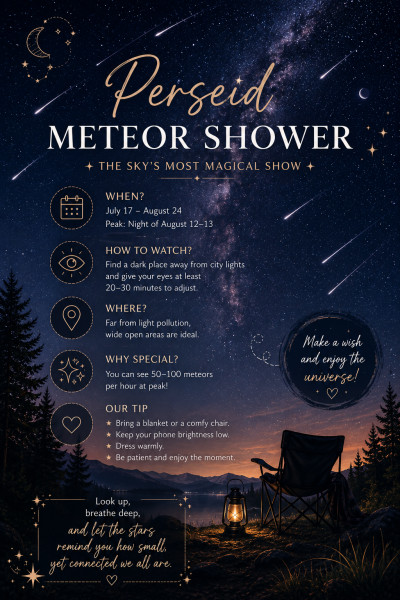
For the best viewing experience, find a location away from any light pollution — so get out of the city to a sparsely populated area.
For those wondering, "Can I see the meteor shower from my location?" the answer is a resounding yes. The Perseids can be seen from anywhere in the Northern Hemisphere, making them accessible to a wide audience.
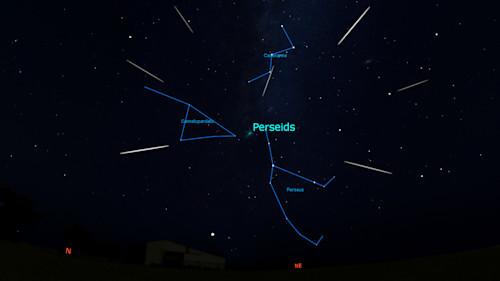
The table is updated daily when the Perseids are active and shows the position of the radiant in the sky for the upcoming night.
The best direction to face is east-northeast, and the shower is expected to be most active during the later hours of the night, with the peak times to watch after midnight.
Tips for the Best Viewing Experience
To fully enjoy the Perseids meteor showers, follow these tips: find a dark, open area away from city lights, lie down on a blanket or reclining chair, and allow your eyes to adjust to the darkness for at least 20 minutes. — No special equipment is needed; just your eyes and a bit of patience.
Be prepared for an awe-inspiring display of shooting stars, with the possibility of seeing up to 100 meteors per hour under optimal conditions.
You can see the Perseids from anywhere in the Northern Hemisphere — the best way to view the Perseids is away from any light pollution.
If you're wondering, "What time does the meteor shower start?" the peak will begin after midnight and continue through dawn.
So, grab a cozy blanket, find a spot with a clear view of the sky, and get ready to be amazed by one of nature's most spectacular shows.
In the words of a seasoned astronomer, "The Perseids are a celestial wonder that never fails to captivate. This year, with the added bonus of a new moon and potential dust-trail boost, it's going to be an unforgettable experience."
— Tonight, the Perseids meteor showers promise a celestial spectacle that will leave stargazers in awe. So, if you're wondering, "What time is the meteor shower tonight?" the answer is clear: get ready for a night of wonder under the stars.
"The Perseids are a celestial wonder that never fails to captivate. This year, with the added bonus of a new moon and potential dust-trail boost, it's going to be an unforgettable experience."
How does this story make you feel?
 Up next · ScienceSuper El Niño Forecast Intensifies Worries for Winter 2026-2027