The Night Sky's Spectacular Show: What Time to Watch the Meteor Shower Tonight
Imagine the sky as a vast, celestial canvas, and tonight, nature’s brush will paint streaks of light across it in an event that has captivated humanity for millennia: the meteor shower.
Recently, the world has been abuzz with anticipation for tonight’s celestial display. As the Perseid meteor shower reaches its zenith, stargazers worldwide are eager to know what time to look, how to watch, and if they can see the shooting stars from their location.
Tonight's Celestial Show: The Perseid Meteor Shower
The Perseid meteor shower, famously known among astronomers, is a regular visitor to the night sky, gracing us with its presence around the same time every year. This year, the event aligns perfectly with a new moon, ensuring darker skies.
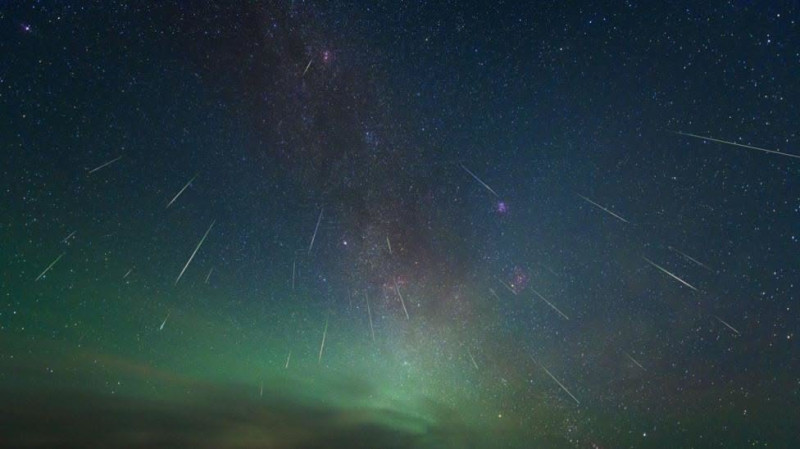
This meteor shower is named after the constellation Perseus, from which the meteors appear to radiate. The Perseids are remnants of debris from the Swift-Tuttle comet. When Earth passes through this trail of cosmic dust, the particles burn up in our atmosphere, creating the stunning spectacle of shooting stars.
When and Where to Watch the Meteor Shower Tonight
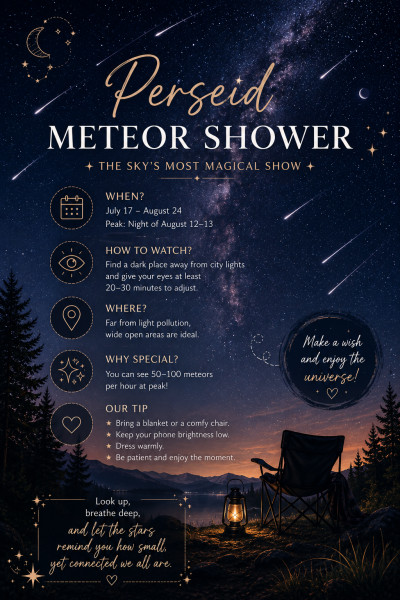
Though the Perseid meteor shower is active throughout the night, experts suggest the best viewing time begins after midnight and continues until predawn. The shower’s peak activity is expected to occur during these hours, offering the highest probability of witnessing the most meteors.
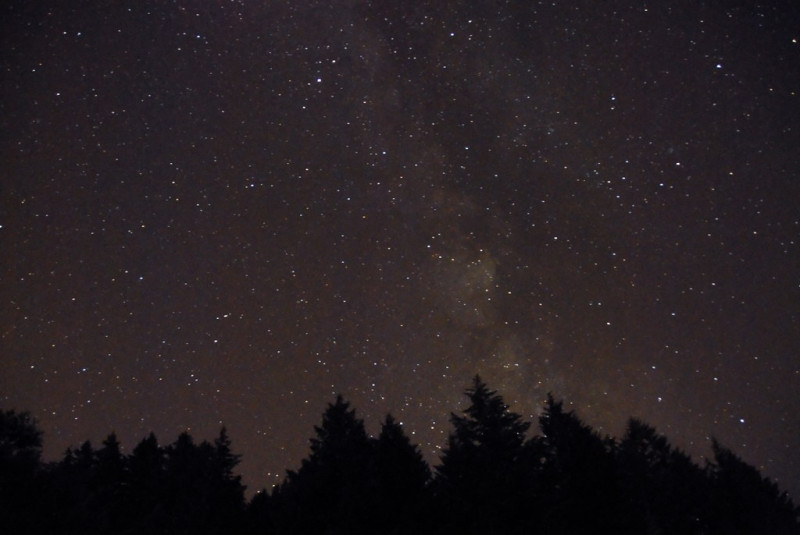
As for where to watch, the best locations are those far from city lights, where light pollution is minimal. Darker skies will enhance your viewing experience, allowing you to see more meteors streaking across the night.
For those wondering if they can see the meteor shower from their location, the answer is generally yes. However, urban dwellers may need to travel to a less illuminated area to fully appreciate the spectacle.
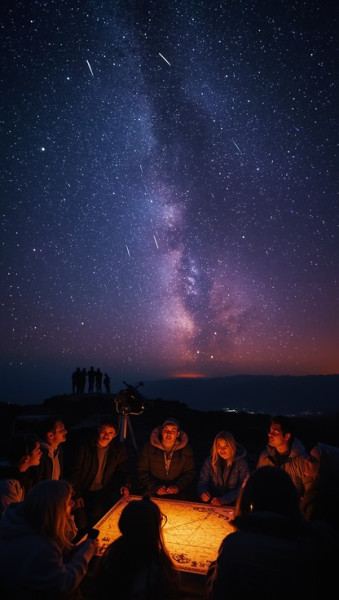
You don’t need a telescope or binoculars to enjoy the show, but having a comfortable seat and warm clothing can help you stay out longer and enjoy the experience.
The Science Behind the Beauty: Understanding the Perseids
The Perseid meteor shower is more than just a visual treat; it’s a testament to the cosmic dance of our solar system. As Earth orbits the sun, it crosses paths with the Swift-Tuttle comet’s debris. The resulting collision of cosmic dust with Earth’s atmosphere creates the dazzling display of shooting stars.
The meteors themselves are tiny particles, often no larger than a grain of sand, but they enter the atmosphere at velocities of up to 133,000 miles per hour. The friction with the air molecules causes them to heat up and disintegrate, producing the brief, luminous trails we see as shooting stars.
This year, the new moon phase will enhance the viewing conditions, as the absence of moonlight promises darker skies, making the meteors even more visible.
For those with a smartphone and a bit of curiosity, the Sky Tonight app can help you pinpoint the optimal viewing hours and directions to watch the Perseids from your exact location. The app offers both the exact directions to look and the best time to step out for the spectacle. So, grab your smartphone, head outdoors, and let the night sky dazzle you with its cosmic display.
The great cosmic dance of the Perseid meteor shower.
How does this story make you feel?
 Up next · SciencePerseid Meteor Shower Tonight: Where to Look and What to Expect