Hurricane Lala's Devastating Impact on Hawaii: Power Outages and Emergency Measures
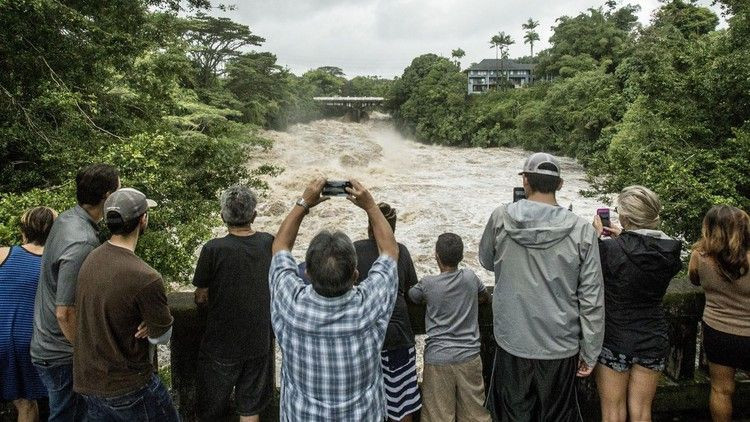
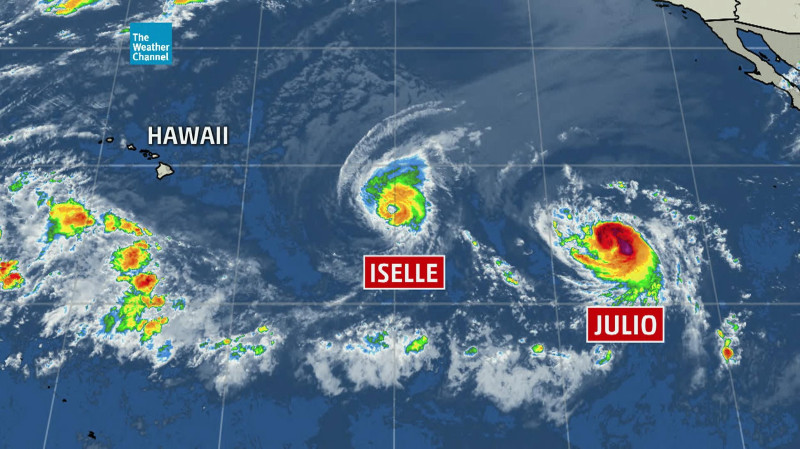
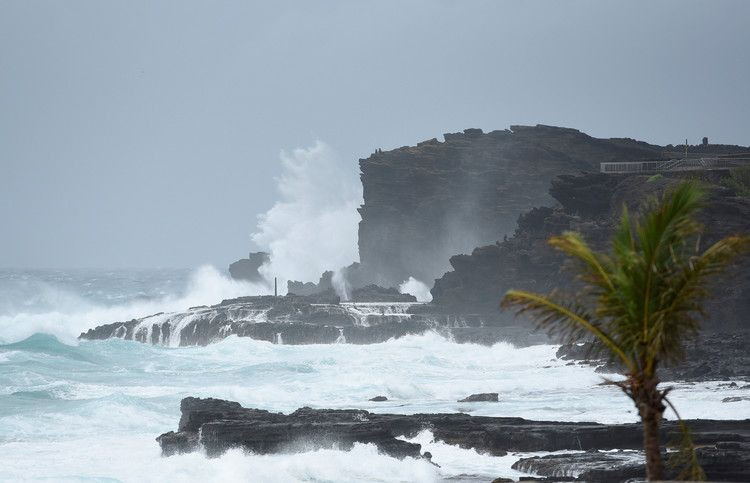
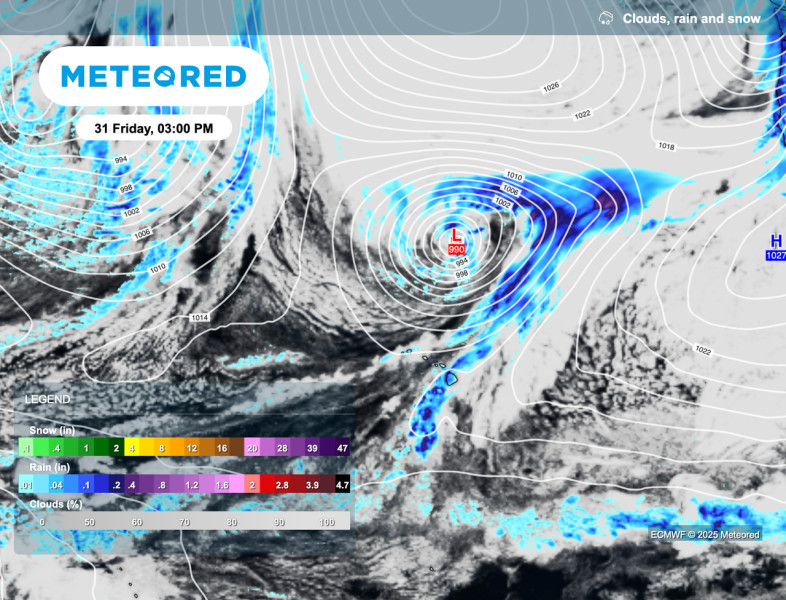
Hurricane Lala has lashed the Hawaiian Islands with fierce winds and torrential rains, leaving thousands without power and sparking emergency responses from local authorities. As of recently, more than 88,000 customers have lost power, primarily on Hawaii's Big Island, as the storm continues to batter the region with heavy winds and rainfall. This is not just a weather event; it’s a stark reminder of the island’s vulnerability to natural disasters and the resilience of its communities. Here’s what is known about the storm and its aftermath so far.
Widespread Power Outages and Infrastructure Damage
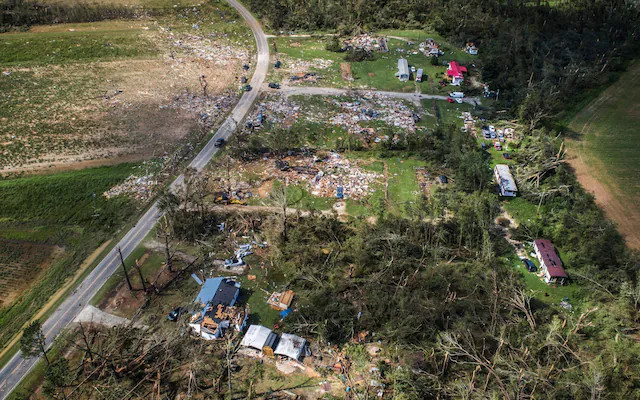
One of the most immediate and impactful consequences of Hurricane Lala has been the widespread power outages. Hawaiian Electric reported that over 88,000 customers were without power as of recently, with crews working tirelessly to restore electricity. The power outages are not just an inconvenience; they highlight the infrastructure's vulnerability and the necessity for robust emergency preparedness.
The power outages are not uniform across the islands, with Hawaiian Paradise Park on the Big Island being particularly hard hit. Crews are working to repair power lines in the midst of heavy rain and powerful winds, a testament to the dedication of emergency response teams.
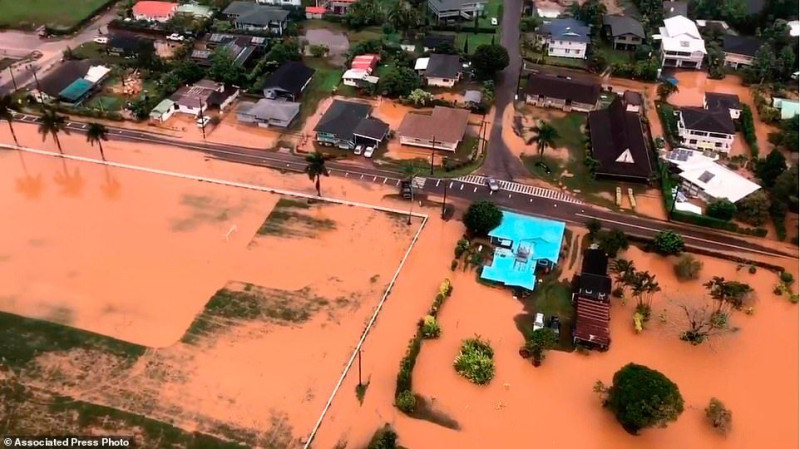
The National Hurricane Center has warned of "life-threatening flooding and mudslides" conditions, predicting up to 25 inches of rain on the Big Island. The combination of torrential rain and high winds has left many roads impassable and infrastructure damaged, complicating the efforts to restore power and provide relief to affected communities.
Here’s what nobody’s asking: How prepared are the islands for future storms of this magnitude? The current response is commendable, but let’s not kid ourselves—Hawaii needs more than just reactive measures. It’s time to invest in long-term solutions and infrastructure upgrades that can withstand the increasing frequency and severity of these storms.
The Human Toll and Community Efforts
While the physical damage is evident, the human toll is more difficult to quantify. Communities across the islands have been huddled in shelters, waiting out the storm while emergency services work to assess the damage. The local authorities have been proactive in keeping residents informed, providing updates on weather conditions, shelter locations, and safety measures.
Local shelters are filled with residents seeking refuge from the storm. The National Hurricane Center’s warnings of life-threatening flooding and mudslides have underscored the seriousness of the situation, prompting authorities to urge residents to stay indoors and avoid unnecessary travel.
The local communities have shown remarkable resilience, supporting each other through the storm. Volunteers and emergency personnel are working tirelessly to ensure that everyone has access to essential supplies and information.
This storm has also highlighted the importance of community support and preparedness. As residents wait for power to be restored and roads to be cleared, they are relying on each other for support and information.
The Aftermath and Recovery Efforts
As the storm continues to wreak havoc, the focus is shifting towards recovery and rebuilding. The National Hurricane Center’s warnings of life-threatening flooding and mudslides have prompted authorities to issue strict safety guidelines. Residents are being advised to stay indoors, avoid travel, and follow official instructions.
This storm serves as a stark reminder of the region’s vulnerability to natural disasters and the critical need for robust emergency response systems. As Hurricane Lala continues to impact the islands, the focus will shift towards recovery and rebuilding. The power outages, infrastructure damage, and community support efforts are all part of a broader narrative of resilience and preparedness.
The Hawaiian Electric Company (HECO) has assured the public that they are prepared to respond to the impacts of Hurricane Lala. However, the sheer scale of the damage and the number of affected customers present a formidable challenge. Crews are working around the clock to restore power, but the task is made more difficult by the ongoing heavy rain and high winds.
This storm also brings into focus the broader issue of climate change and its impact on weather patterns. The increasing frequency and intensity of such storms point to a larger, more pressing issue that cannot be ignored. It’s time to invest in climate resilience and preparedness, not just for Hawaii, but for all regions susceptible to such natural disasters.
As Hurricane Lala continues to lash the Hawaiian Islands, the immediate focus remains on restoring power and ensuring the safety of residents. However, the long-term implications of this storm cannot be overlooked. The infrastructure damage, widespread power outages, and the resilience of the community are all part of a broader narrative that underscores the need for preparedness and response. This storm is not just a weather event; it’s a call to action for better planning, infrastructure, and community support.
How does this story make you feel?
 Up next · WorldTornado Touches Down in Columbus, Leaving a Trail of Devastation