California's Engineered Stone Silicosis Crisis: A Silent Epidemic Amidstone Fabrication
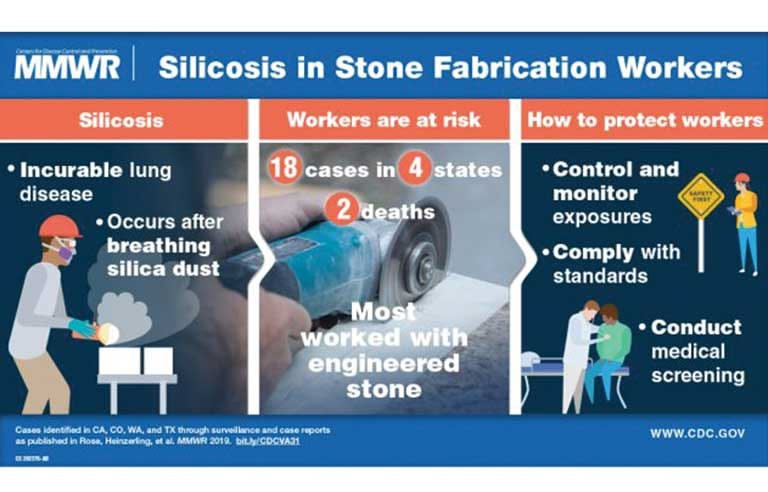
In the bustling workshops of California, a silent epidemic is ravaging the lives of workers who craft the very surfaces that grace millions of homes and businesses. Engineered stone silicosis, a preventable yet deadly lung disease, is on the rise among California's stone countertop fabricators. Recent reports have highlighted the alarming number of silicosis cases, underscoring the urgent need for better protective measures and regulatory action.
Engineered Stone Silicosis: The Human Toll
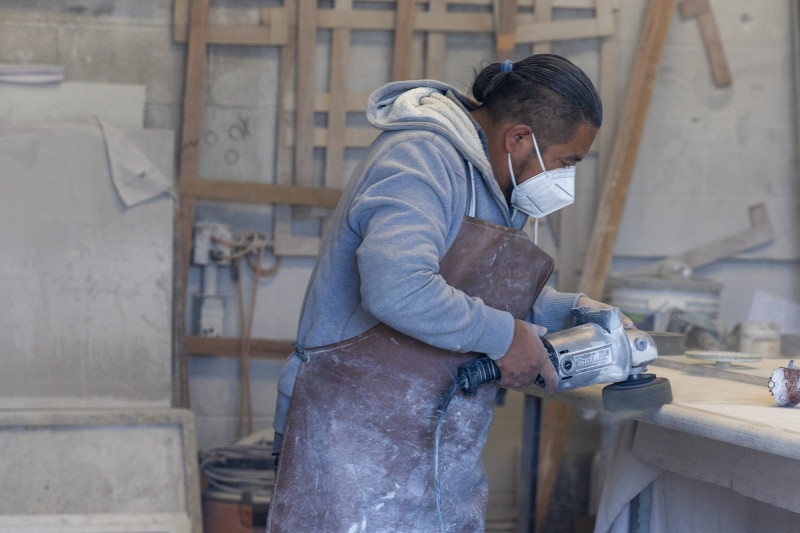
Engineered stone, popularly known as "quartz countertops" or "artificial stone," has become a staple in modern design due to its durability and aesthetic appeal. However, the high crystalline silica content in these materials poses a significant health risk to workers who cut, shape, and install the countertops. In recent times, the California Department of Public Health has documented 592 cases of silicosis among workers in this industry. Of these, 65 have required lung transplants, and 31 have tragically died.
The human cost of this crisis is stark. Workers who have dedicated their lives to crafting these surfaces now face a debilitating and often fatal disease. One worker, speaking on condition of anonymity, described the harrowing experience of his diagnosis: "I never thought that my job would kill me. But now, every breath is a struggle, and I know I'm running out of time."
The majority of these cases involve workers who have been fabricating engineered stone countertops for years, often in poorly ventilated workshops. The fine silica dust generated during the cutting and polishing process is inhaled, leading to the development of silicosis, an incurable lung disease. The symptoms can be insidious, often taking years to manifest, but the impact is severe and irreversible.
The Regulatory Response: A Race Against Time
In response to the escalating crisis, California has taken steps to address the issue. The state has made silicosis a reportable disease, requiring healthcare providers to report cases to public health authorities. This move is aimed at enhancing surveillance and understanding the full extent of the problem. Additionally, regulatory bodies are pushing for stricter safety standards and better protective measures in workshops.
Dr. Jane Thompson, a pulmonologist at a leading California hospital, commented on the situation: "
This is a public health emergency. We need to see immediate action from regulatory bodies to protect these workers. It's not just about enforcement; it's about changing the culture within the industry to prioritize worker safety."> However, the road to effective regulation is fraught with challenges. The high demand for engineered stone countertops and the competitive nature of the industry have led to cost-cutting measures that often compromise worker safety. Many workshops lack adequate ventilation systems, and workers are not provided with the necessary protective gear.
Advocacy and Awareness: The Path Forward
Amid the crisis, advocacy groups and healthcare providers are pushing for stricter regulations and better awareness. The California Department of Public Health has released several public health alerts, urging employers and workers to take immediate action to reduce silica exposure. The alerts highlight the importance of using wet cutting methods, wearing appropriate respiratory protection, and providing regular health screenings for workers.
Public health experts are also calling for a comprehensive ban on engineered stone in light of the rising silicosis cases. Some argue that given the high risk, the only way to ensure worker safety is to phase out the use of this material entirely. However, this proposal faces significant opposition from the industry, which argues that it would result in job losses and economic disruption.
In the meantime, workers continue to bear the brunt of this preventable disease. The fight for safer working conditions is far from over. The atmosphere in the workshops remains tense, with workers and employers grappling with the stark reality of the crisis. As one worker put it, "We need change, and we need it now. Our lives are at stake."
The fight against engineered stone silicosis in California is a stark reminder of the human cost of industrial progress. As the battle for safer working conditions intensifies, the hope remains that the state will take decisive action to protect the workers who have built the surfaces of modern life.
How does this story make you feel?
 Up next · HealthCalifornia's Engineered Stone Countertop Workers Face Soaring Silicosis Cases