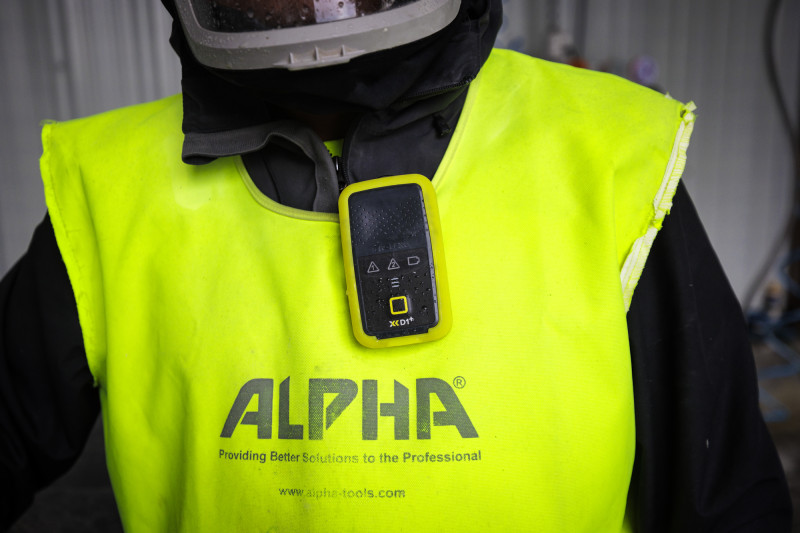
Engineered Stone Workers Face Silent Epidemic of Silicosis in California
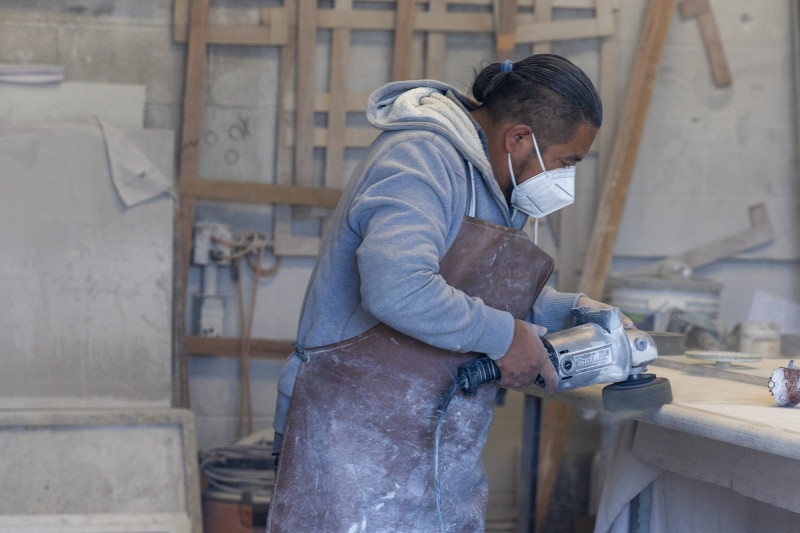
In the bustling kitchens of California, the silent threat of silica exposure lingers in the air, casting a shadow over the industry of engineered stone workers. The invisible enemy is crystalline silica, a mineral compound found in many types of stone, including quartz. Recently, the severity of this health crisis has come into sharp focus, revealing a grim reality for those who cut, grind, and polish engineered stone countertops.
The Deadly Dust: Silicosis Among Quartz Countertop Workers in California
The engineered stone industry, particularly the fabrication of quartz countertops, has been hit hard by silicosis, a preventable but incurable lung disease. Recent reports from the California Department of Public Health have highlighted a staggering number of cases. From January 2019 to June 2026, 592 workers were diagnosed with silicosis, with 65 requiring lung transplants and 31 losing their lives to the disease. This alarming trend underscores the urgent need for regulatory intervention and heightened safety measures in the industry.
Silica Exposure: The Invisible Killer in Stone Fabrication
Silicosis, a chronic lung disease caused by inhaling fine silica particles, has long been a known occupational hazard, particularly in mining and construction. However, the rise of engineered stone, especially quartz, has brought this issue to the forefront of public health concerns. The hazardous nature of silica dust is well-documented, yet the pervasive use of quartz in countertops has exacerbated the problem among stone workers. The disease has no cure, making prevention through the reduction or elimination of silica dust exposure absolutely critical.
A Call to Action: Regulatory and Safety Measures
The alarming statistics have prompted calls for stricter regulations and enhanced safety protocols. The California Department of Public Health has been monitoring the situation closely, updating its surveillance data weekly. The Engineered Stone (ES) Silicosis Surveillance Dashboard provides a real-time overview of reported cases, offering a critical tool for tracking and addressing the epidemic. As the industry grapples with this public health crisis, the need for a national effort to strengthen surveillance and implement early intervention measures becomes ever more apparent. The toll of silicosis on California's stonecutters serves as a stark reminder of the dangers lurking in the seemingly innocuous world of countertop fabrication.
“Silicosis is preventable with reduction or elimination of silica dust exposure, yet we continue to see a growing number of cases among engineered stone workers. This crisis calls for immediate and robust regulatory action to safeguard the lives of these workers.” — California Department of Public Health
The image of a stonecutter, masked and gloved, working diligently in a cloud of dust, is now tinged with a haunting reality. The silent epidemic of silica exposure among engineered stone workers in California demands our attention, urging us to act before more lives are lost to this preventable disease. The question remains: How will the industry and regulatory bodies respond to this growing public health crisis, and what measures will be implemented to protect those on the frontlines of this deadly dust?
How does this story make you feel?
 Up next · HealthCalifornia's Engineered Stone Silicosis Crisis: A Silent Epidemic Amidstone Fabrication