Trump-Backed Crypto Venture World Liberty Financial Clears Major Regulatory Hurdle
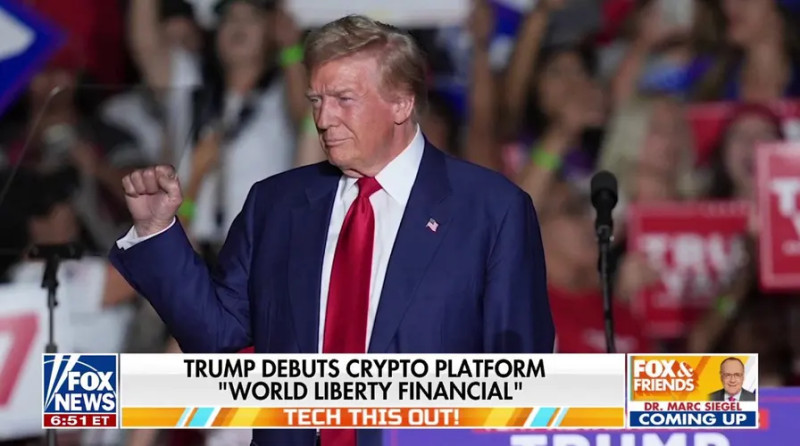
In a move that has sent shockwaves through the financial and cryptocurrency worlds, the Trump-backed venture, World Liberty Financial, has secured a conditional approval for a national bank charter. This regulatory greenlight not only signals a significant expansion of the company's operations but also raises questions about the future of cryptocurrency regulation and the influence of political connections in the financial sector. Let's dive into the details of this monumental development.
World Liberty Financial Secures Regulatory Approval: A Game Changer for Crypto
In a recent development, the Office of the Comptroller of the Currency (OCC) has granted World Liberty Financial a federal charter. This charter, if ultimately approved, will allow World Liberty to manage and hold assets on behalf of customers, as well as settle payments faster. This move is a significant step for the crypto venture, which has been backed by President Donald Trump and his family. The conditional approval sets the stage for World Liberty to take direct control of its $4 billion dollar-backed stablecoin operations, a move that could reshape the landscape of digital currencies-.
The Regulatory Landscape: A Closer Look at the OCC's Role
The OCC's decision to grant a conditional approval to World Liberty Financial is not without controversy. The OCC, a national bank regulator, has been under scrutiny for its handling of cryptocurrency-related applications. The preliminary approval comes after a period of intense lobbying and strategic maneuvers by World Liberty Financial, a company that has been closely linked to the Trump family. The conditional approval, however, marks a significant milestone for the company, allowing it to operate more freely within the UCC guidelines, effectively expanding its stablecoin operations. The OCC's decision has sparked debates about the regulatory framework for cryptocurrencies and the potential influence of political affiliations on financial oversight.
Political Implications: The Trump Connection and Future Regulatory Challenges
The political implications of this regulatory approval cannot be overstated. With a conditional approval, World Liberty Financial is poised to become a major player in the cryptocurrency market, potentially influencing the regulatory landscape for digital currencies. The company's close ties to the Trump family have raised eyebrows and sparked concerns about the potential for regulatory favoritism. The OCC's decision has already drawn criticism from Democratic senators, who have hinted at possible investigations into the regulatory process if they regain control of Congress.
On the other hand, some industry experts view this as a positive step towards mainstreaming cryptocurrency. The approval could set a precedent for other companies looking to enter the crypto market, potentially leading to more innovation and competition within the sector. However, critics argue that this move could undermine public trust in regulatory institutions, as it appears to favor politically connected entities-.
In the meantime, the crypto community, and indeed, the larger financial sector, eagerly await the final approval of the bank charter. The regulatory landscape for cryptocurrencies is evolving rapidly, and this move by World Liberty Financial could be a turning point. The upcoming months will be crucial in understanding the full implications of this regulatory decision and its impact on the future of digital currencies. It’s time for the financial industry to embrace the challenges and opportunities that arise from such revolutionary financial innovations, even if that means navigating through the murky political waters that come with it.
“This conditional approval is a significant step forward for World Liberty Financial and the broader cryptocurrency sector. It highlights the potential for regulatory bodies to adapt to the evolving financial landscape, even as it raises important questions about transparency and fairness in the regulatory process.” – A senior analyst from a leading financial news outlet.
How does this story make you feel?
 Up next · BusinessHome Depot Stock Plummets as Earnings Miss Expectations